
Navigating the world of cryptocurrency can feel like learning a new language. Here's an in-depth primer on key terms, concepts, and the broader ecosystem of crypto:
1. Blockchain:
- A decentralized, digital ledger of transactions recorded on multiple computers. → Bitcoin's blockchain is perhaps the most famous, where each block contains a list of transactions validated by miners. Ethereum extends this concept by allowing smart contracts.

2. Cryptocurrency:
- A digital or virtual currency that uses cryptography for security. → Bitcoin was created as a response to the 2008 financial crisis, aiming for a currency free from central bank control. Ethereum introduced the concept of programmable money through its cryptocurrency, Ether.
3. Wallet:
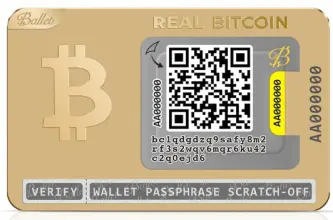
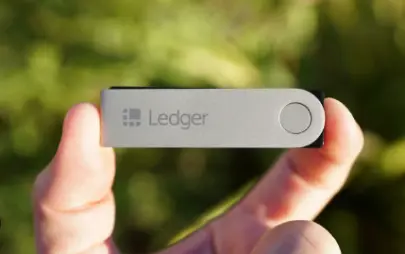
- A software program or physical device that stores the public and/or private keys. → Ledger Nano S is a popular hardware wallet offering cold storage for cryptocurrencies like Bitcoin and Ethereum, enhancing security. On the software side, MetaMask allows users to interact with the Ethereum blockchain directly from a browser.
Examples of physical wallet on the market:



4. Mining:
- The process of verifying transactions and adding them to the blockchain. → Bitcoin miners, like those operated by Bitmain, use specialized hardware to solve cryptographic puzzles, ensuring the integrity of the Bitcoin network while earning new bitcoins.
A mining farm :

5. Staking:
- Holding cryptocurrency to participate in network operations and earn rewards. → Cardano (ADA) uses a Proof of Stake system where holders can stake their ADA to validate transactions, receiving additional ADA as a reward. Ethereum 2.0 has also moved to a staking model to reduce energy consumption.

6. Burn Tokens:
- Removing tokens from circulation to potentially increase their value. → Binance periodically burns its BNB tokens to reduce supply. In one event, they burned $600 million worth of BNB, aiming to increase the value of remaining tokens.

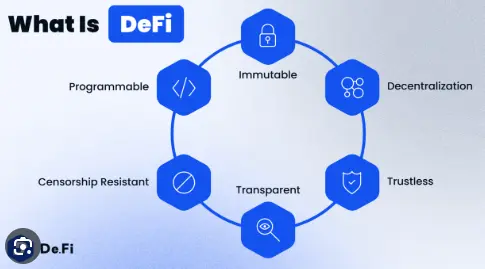
7. Decentralized Finance (DeFi):
- Financial services on public blockchains without intermediaries. → Compound allows users to lend or borrow crypto assets directly from each other, earning or paying interest in the process, all managed by smart contracts.
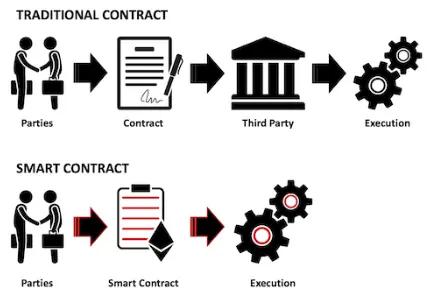
8. Smart Contracts:
- Self-executing contracts with terms written into code. → The DAO (Decentralized Autonomous Organization) on Ethereum was an early, ambitious use of smart contracts to create a venture capital fund, although it famously encountered security issues.
9. Token vs. Coin:
- Coins: Bitcoin (BTC) is a coin on its own blockchain.
- Tokens: UNI (Uniswap) is a token on the Ethereum blockchain, used for governance and liquidity provision in decentralized exchanges.
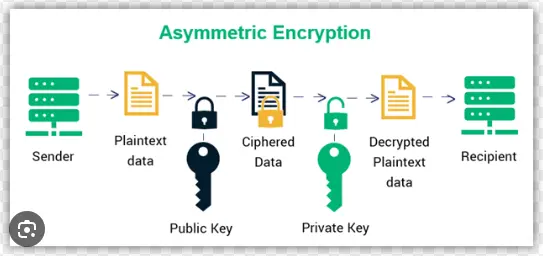
10. Public vs. Private Key:
- When you send Bitcoin, you use your private key to sign the transaction (kept secret), while your public key (address) is visible, like how a bank account number works but with added security.
11. DApp (Decentralized Application):
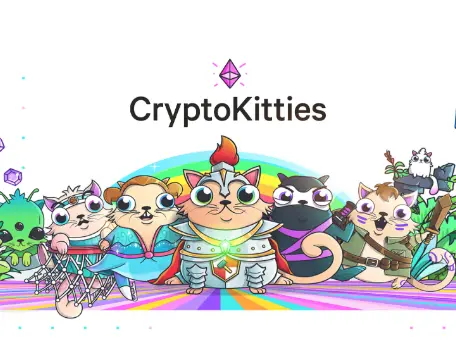
- Applications run on a blockchain or P2P network. → CryptoKitties was one of the first DApps on Ethereum, allowing users to buy, sell, and breed digital cats, showcasing the potential for unique digital assets.
12. Fiat Currency:
- When you exchange Bitcoin for USD on platforms like Coinbase, you're converting cryptocurrency into fiat currency, which you can then use in everyday transactions.
Fiat currency owner :)

13. Airdrop: The process of distributing free tokens or coins to the wallets of existing cryptocurrency holders, usually to promote a new cryptocurrency, reward loyal users, or increase the circulation and adoption of a project.  → Stellar (XLM) once airdropped billions of Lumens to Bitcoin holders to increase adoption and spread awareness about their payment network.
14. FOMO (Fear Of Missing Out) / FUD (Fear, Uncertainty, Doubt): → FOMO: The rapid price increase of Dogecoin in early 2021 was driven by FOMO, with many buying in after seeing the price surge, hoping for quick gains. → FUD: When news broke about potential regulatory crackdowns on certain cryptocurrencies, it often led to FUD, causing price drops as investors sold off in panic. 
Visual Aids for Better Understanding: While we've covered the basics, visual aids can significantly enhance your understanding. Look for infographics or diagrams online that explain how blockchain transactions work or visualize mining and staking processes. 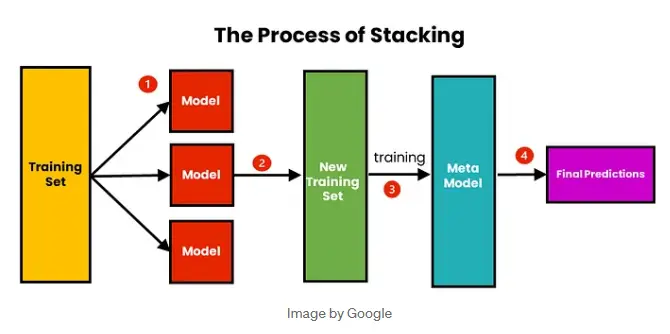
Current Trends in Crypto: The crypto landscape is ever-evolving. Recently, we've witnessed the boom of NFTs, where blockchain technology uniquely verifies ownership of digital art or collectibles. Central Bank Digital Currencies (CBDCs) are also gaining traction, potentially bridging traditional finance with blockchain. Additionally, layer-2 solutions like Ethereum's Polygon or Bitcoin's Lightning Network are scaling up blockchain capabilities. 
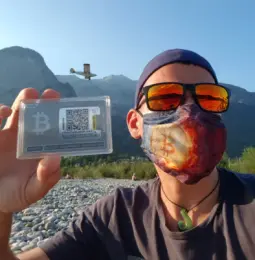
Security in the Crypto Space: Your crypto journey should prioritize security. Hardware wallets like Ledger or Trezor are recommended for storing significant amounts of cryptocurrency securely. Be cautious of phishing scams, always verify website URLs, and enable two-factor authentication (2FA) on all crypto-related platforms. 

Regulatory Landscape: Regulations differ dramatically around the world. The U.S. is still defining crypto's legal status, impacting how businesses operate there. In contrast, some European nations have adopted more welcoming policies, while others like China have imposed strict bans. 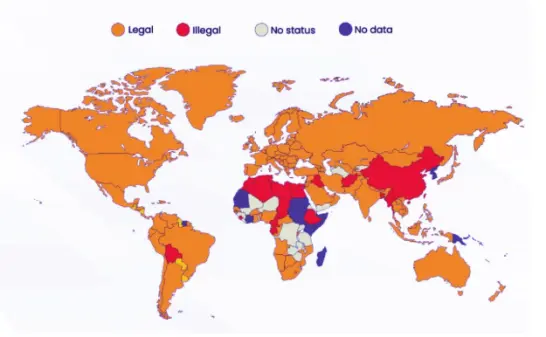
Investment Risks: Cryptocurrency markets are known for their volatility. Invest wisely, understanding that while there's potential for significant gains, there's also considerable risk. Never invest more than you can afford to lose, and diversify your investments. 
Cryptocurrency Use Cases: Cryptocurrencies aren't just for speculation. They're being used for faster, cheaper cross-border payments, securing supply chain data, and even in pioneering digital identity solutions or voting systems. 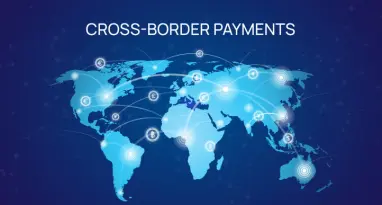
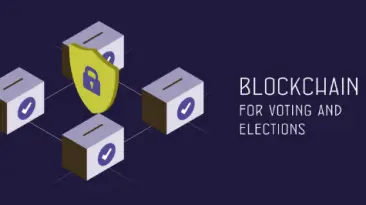
Crypto Culture and Community: The crypto community has its own culture, with meme coins like Dogecoin gaining popularity through social media. Community governance in projects like Decred or MakerDAO allows token holders to vote on project decisions, showcasing the democratic potential of blockchain. 



Environmental Impact: The environmental debate around crypto, particularly Bitcoin's mining energy use, has led to innovations. Ethereum's shift to Proof of Stake (PoS) significantly reduces energy consumption, setting a precedent for others. 
Glossary for Quick Reference:
- NFT (Non-Fungible Token): Unique digital assets representing ownership or proof of authenticity.
- Layer-2 Solutions: Technologies that scale blockchains by handling transactions off the main chain to reduce congestion and fees.
The Future of Crypto: Looking ahead, we might see cryptocurrencies become as commonplace as traditional money, with deeper integration into financial systems or the emergence of new blockchain innovations that could redefine digital asset management.
Next Steps: To deepen your understanding, join crypto communities, read project whitepapers, or experiment in a testnet environment where you can learn without financial risk. The world of crypto is just beginning, and there's always more to learn. 
It was a cool work to write this glossary. I really hope this comprehensive guide should equip beginners with the necessary knowledge to navigate the crypto world while highlighting the importance of ongoing education and caution in this dynamic space. Thanks for reading. Kleo






