
In the cryptocurrency world, you hear or read hundreds of scams every day. In fact, fraud is not unique to the cryptocurrency world; Fraud is common in scammers in all areas where a valuable asset is involved. You can lose the cryptocurrencies you bought with your savings in seconds. So what are the most common cryptocurrency scams and how should we avoid them… ?
If you're ready, let's start …
Cryptocurrencies powered by blockchain technology such as Bitcoin (BTC) and Ethereum (ETH) put your investments and financial transactions under your complete control. In other words, there is no need for companies such as banks and intermediary institutions in the world of crypto money. However, the decentralization of cryptocurrencies also makes it difficult to legislate and regulate them. So if you make a mistake and fall for the scammers, you can lose your coins forever.
To avoid this danger, it is necessary to know the most common scams.
Fake exchanges
There are many safe, legal, and legitimate cryptocurrency exchanges in your country and around the world. You can safely buy and sell cryptocurrencies on these cryptocurrency exchanges. However, sometimes scammers make copies of these secure cryptocurrency exchanges. These copies may be in the form of a mobile application, desktop application or website. The design of the copy exchanges is very similar to the original. If you trade on fake cryptocurrency exchanges, you can have your login information and cryptocurrencies stolen from the original exchange.
To avoid this scam: Checking the URL. Before trading on the cryptocurrency exchange, you should definitely check that the URL is correct. By adding the original stock market URL to your favorites, you can also prevent yourself from entering the wrong URL with a momentary distraction. As a matter of fact, a fake site or application is a fraud method that should be considered on all platforms that involve financial transactions.
Blackmail
Demanding cryptocurrencies from companies or individuals with the threat of obtaining your private information in some way, spreading this information or using it in any other way, that is, blackmailing you is one of the methods frequently used by fraudsters. Blackmail is a very serious offense under the law, but many blackmailed people are either embarrassed or afraid to go to the police. Thus, it falls into the hands of blackmailers.
A blackmailing scammer can demand a cryptocurrency from you. Because keeping track of cryptocurrencies is much more difficult than fiat currencies. Cryptocurrencies do not have serial numbers and cryptocurrency wallets are anonymous.
In order not to be exposed to blackmail by fraudsters; You should pay attention to the websites you visit, do not log into unsafe sites with your e-mail address, and store your sensitive or private information on reliable services or hardware.
Gift Forgery
Gift forgery is one of the most common fraud methods in the cryptocurrency world. The scammer promises to send you a gift in exchange for some cryptocurrency. Often this is an offer that you will receive several times as many Bitcoin gifts for sending a small amount of BTC. However, when you send your BTCs to the crypto money address that the scammer shared with you, you lose these assets because there is actually no gift. What you're doing is no different than sending someone else BTC for free...
In a more dangerous version of this fraud method, the fraudulent person may request your personal information or your crypto money private key. Giving them away will not lose a small amount of your crypto assets just to win a gift; you can give the scammer control of your entire wallet, i.e. your crypto assets. It's like sharing your email password or your bank account private information with others.
To protect against gift forgery; In legitimate gift campaigns, you will never be asked to send a certain amount of crypto money to an address.
Social media phishing
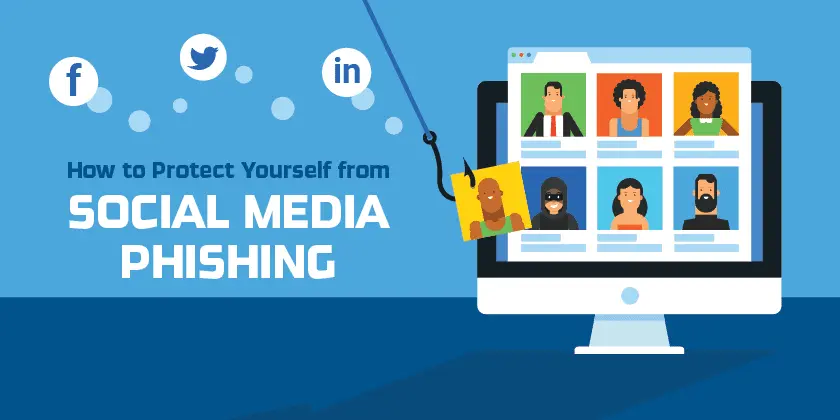
Social media phishing is one of the most common cryptocurrency scams. In social media phishing, cryptocurrency scammers use social media accounts that impersonate a famous person. In the posts they make from these accounts, they promise that they will give you a gift in return for sending cryptocurrency to an address. If you do not realize that the account is fake and send cryptocurrency to the desired address, you will have your assets stolen.
To protect from social media phishing; You should pay attention to whether the relevant account really belongs to that famous person. In this regard, the blue tick mark on Twitter, Facebook and Instagram can be of use to you. The blue tick confirms that an account is who it claims to be.
Email Phishing
Scammers use many phishing methods and email phishing is one of them. In this type of scam, a link is usually sent to your email. The scammer tries to trick you into clicking on this seemingly legitimate link. If you click on the link, you will be directed to a malicious website. This website may try to steal your login information by impersonating another trusted site. Infected files can also be sent to you with these e-mails. If you download the file to your device, the scammer installs a malware on your device.
In the email phishing method, scammers often play to worry about the security of your account. For example, they may say that there is a suspicious login to your account on a cryptocurrency exchange and that you need to reset your password by clicking the link in the email. If you fall into this trap, you can enter your login details on the scammer's fake website and hand over your account to the scammer.
To protect from e-mail phishing; you should check if the e-mails are coming from the original source. In addition, we recommend that you do not click on an e-mail link in any case. If you need to do something about your account, it will be safer for you to type your website into the browser and enter it yourself.
Malware
Malware, namely viruses and trojans, is a huge and insidious threat not only to your bank information but also to your cryptocurrencies. Among these types of software, the most dangerous and widely used is copy-paste software. These take over your clipboard as you copy-paste and can replace the text you copied. So how to steal your crypto money with such a method?
For example; You will send cryptocurrency to a friend. For this, your friend shares the cryptocurrency wallet address with you. Most people copy-paste this address instead of typing it in. However, if you have copy-paste malware on your device, it may replace your friend's address with the scammer's address. You may not notice it at all, as cryptocurrency addresses are complex and long text. In this case, you are actually sending bitcoin to the scammer, not to your friend.
To avoid this danger; You should definitely check the address you want to send cryptocurrency to before confirming the sending. We also recommend that you install reliable and powerful anti-virus software on the device you are trading cryptocurrencies on. Thus, you can protect your device from malicious software.
Ponzi and Pyramid Scheme
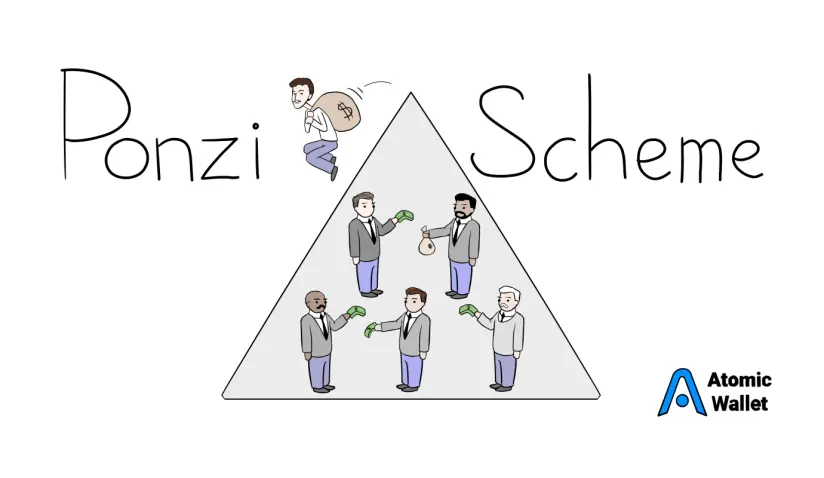
The ponzi and pyramid scheme, also known as the pyramid scheme, are among the most famous fraud methods. TV series and movies were shot on these two fraud methods; books have been written. Ponzi and pyramid schemes are also used by cryptocurrency scammers.
The Ponzi scheme is a system that promises investors that they will earn income as they bring in new investors. In this system, old investors' money is paid by new investors. However, as the inflow of new investors decreases, the flow of money stops and the system collapses. OneCoin is the most famous example of ponzi in the crypto world.
The pyramid scheme is actually quite similar to the ponzi. In the pyramid scheme, investors are paid according to the number of members they bring to the system. However, just like in the ponzi, if a new member cannot be entered in this system, the money flow stops and the system collapses.
In order to avoid ponzi and pyramid schemes in cryptocurrencies, you should thoroughly research the crypto money you will invest in. Whether it's a Bitcoin fund or an altcoin fund; If it's a project whose value depends on the involvement of new investors, you're probably dealing with a ponzi or pyramid scheme.
Ransom
One of the most dangerous of malware is ransomware. Ransomware will cut off your access to your device until the required amount of ransom is paid. Generally, scammers ask for ransom payments in Bitcoin (BTC).
Ransom scams are very dangerous because even if you pay, the scammer can still prevent you from accessing your data or delete it. To protect yourself from ransomware, you should use strong and reliable antivirus software.
My Last Words; Due to the dream of getting rich in a short time, people cause cryptocurrencies to fall into the hands of scammers. There are many cryptocurrency scams to watch out for. But knowing how these scams work is an important first step to being fully protected. If you can avoid the most common cryptocurrency scams, your chances of keeping your crypto holdings safe increase.
If you enjoyed reading my article here at Publish0x, be sure to hit the follow button at the end of this post. Thank you for your continued support!!!
You can also follow me on Twitter if you wish.
Invest together with the smart money
Let the world’s best digital asset managers handle the trading. Share the profits.






