
Hello Friends; In this period when cryptocurrency markets are struggling to find direction, precious metals are coming to the forefront... Especially for those who cannot obtain them physically, tokenized precious metals have started to become a good source of income... In this article, I want to take a look at these topics...
If you're ready, let's begin...
With the development of blockchain technology, it has become possible to transfer physical assets to the digital realm. One important example of this transformation is the tokenization of precious metals. Digitizing assets traditionally considered safe havens, such as gold, silver, and platinum, through tokens offers new opportunities in terms of accessibility, transparency, and liquidity in financial markets. This article discusses the concept of tokenization of precious metals, its advantages, risks, and future potential.
Tokenization is the representation of a physical or financial asset on a blockchain using digital tokens. Each token represents ownership or claim to a specific asset. In the case of precious metals, tokens are typically pegged to physical metals held in vaults at a one-to-one (1:1) ratio.
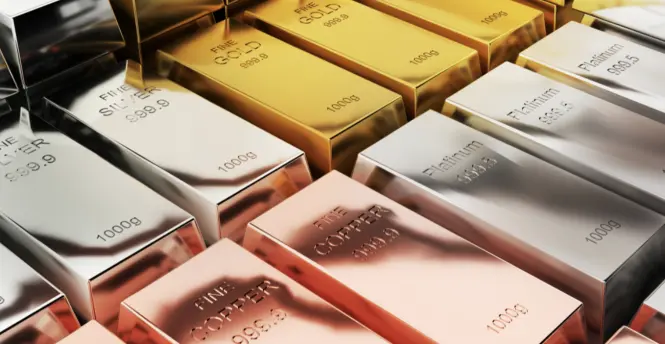
Tokenization of Precious Metals
The tokenization process generally consists of the following steps:
Storage of Physical Asset; Gold or other precious metals are stored in secure and audited vaults.
Verification and Auditing; The quantity and purity of the stored metal are verified by independent auditors.
Token Issuance; Digital tokens corresponding to this physical asset are created on the blockchain.
Exchange and Transfer; Tokens can be easily transferred via crypto wallets or bought and sold on secondary markets.
Advantages
Accessibility; Tokenization allows small investors to invest in precious metals. The high costs and logistical obstacles encountered in purchasing physical gold are eliminated.
Liquidity; Tokens can be traded 24/7. This offers higher liquidity compared to traditional precious metal markets.
Transparency and Trust; Thanks to the immutable record structure of the blockchain, transactions can be tracked transparently. This increases investor confidence.
Divisibility; Unlike physical gold, tokens can be divided into very small pieces. This feature facilitates portfolio diversification.
Risks and Challenges
Regulatory Uncertainties; The legal status of tokenized assets is unclear in many countries. This poses a risk for investors and issuers.
Custody Risk; The fact that the value of tokens is tied to physical metal makes trust in the custodian critical.
Technological Risks; Technological risks such as smart contract errors, cyberattacks, and wallet security have not been completely eliminated.
My Final Words; With the proliferation of central bank digital currency projects and enterprise blockchain solutions, tokenized precious metals are expected to gain wider acceptance. These tokens are likely to play a significant role, particularly in cross-border transactions, collateral mechanisms, and decentralized finance (DeFi) applications.
Tokenizing precious metals bridges the gap between traditional and digital finance. Despite the advantages of accessibility, liquidity, and transparency, regulatory and operational risks must be carefully managed. Supported by appropriate legal frameworks and robust custody infrastructure, tokenized precious metals can become a permanent element of the financial system.
"As I always say, “Listen to everyone, decide for yourself…” Good luck!






