
I grew up in Southwest Florida, and despite not being a scientist, I have developed a deep passion for understanding the environment and the potential causes of Red Tide. Having spent a significant portion of my youth fishing and hunting in Florida's sub-tropical climate, I have witnessed firsthand the degradation of wild habitats and the decline in water quality and natural fisheries over the past two decades. It has been around 17 years since I last set foot on Florida's sandy soils, but I can only imagine that the situation has deteriorated further since then.
One particular canal that holds nostalgic value for me is the Hillsborough Canal system, which connects to the Myakka River system and receives water from various sources throughout Charlotte. However, the problem with this canal, as with many others, lies in the hindrance of its natural flow due to poorly maintained culvert systems. These culverts, located beneath roads, restrict the canal's ability to function properly, resulting in almost stagnant water that resembles an elongated pond rather than a flowing canal.
Unless you have spent time navigating these water systems, it may be challenging to grasp the complexity of the issue. Stagnant water creates a breeding ground for mosquitoes, unlike well-flowing waterways that limit the survival chances of mosquito larvae. Moreover, the stagnation of these canals allows water hyacinth and other vegetation to take over, obstructing the surface and sub-flows of the systems.
While these plants play a vital role in producing oxygen and providing habitat for aquatic wildlife, they also create an ideal environment for mosquitoes and their larvae. In well-flowing water systems, near-shore aquatic vegetation, known as aquatic macrophytes, enhances fisheries by offering cover for juvenile sport fish and a food source that includes mosquito larvae. These plants also serve as habitat for minnows, invertebrates, and other small fish species.which happen to love eating mosquitoes and their larvae.
However, when these waterways become choked with vegetation and hindered from regular flow, mosquitoes become a significant issue for those living near and on these systems. Consequently, mosquito control authorities are called upon to address the overwhelming mosquito population by spraying specialized herbicides and Mosquito larvae inhibitors from airboats or crop dusters. This action kills off the surface vegetation almost overnight, but it also leads to the production of ammonia and nitrite as the decaying plants break down. This nitrite-rich water and sediment then fuel the growth of more water plants, perpetuating the cycle.
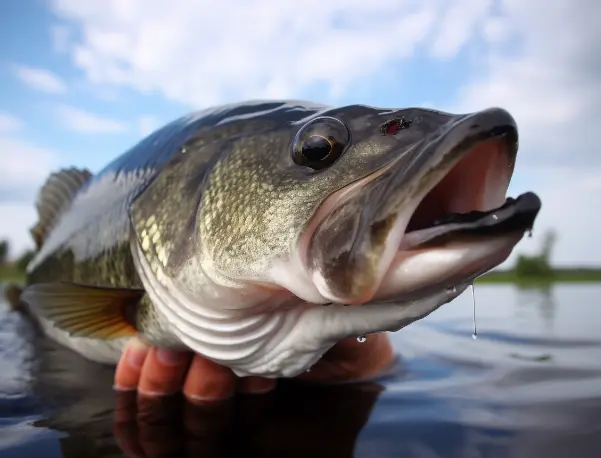
Introducing fish species that consume mosquito larvae or vegetation, such as carp, or brim proves ineffective in these poorly maintained systems. The decaying plant life depletes oxygen from the water, rendering gill-breathing fish vulnerable and can kill off upwards of 95% of all gill breathers in a single choked canal. As their bodies decay, they contribute to the nitrate count, further exacerbating the situation. Fisheries that were once teeming with bass, bluegill, shiners, and shad have become barren wastelands only habitable by bladder-breathing fish like the mighty bowfin. These predatory fish can thrive in low-oxygen environments and easily dominate water systems, leaving little opportunity for gill-breathing species to repopulate.
Many theories regarding the cause of red tide focus on sewage leakage and farmland run off, which are indeed valid concerns. However, the water samples often taken downstream from stagnant waterways that make up a considerable portion of inland flowways might be missing a more logical explanation. While it is possible for sewage to reach freshwater, it must typically pass through sediment that reduces its potency. The chances of raw sewage alone causing the large-scale red tide blooms are relatively unlikely.
Farmland run off could add to this explanation, but farming on massive scales in Florida has changed dramatically over the last two decades. While still problematic, it can't account for the reports on nitrate contamination.
Instead, I believe that the massive volume of nitrite-polluted water flowing into the Gulf from these stagnant systems presents a more plausible explanation.
Red tide blooms, also known as harmful algal blooms, are a recurring phenomenon in Florida's coastal waters.
They are caused by the proliferation of a microscopic marine organism called Karenia brevis. These blooms can release potent toxins that harm marine life and pose risks to human health. While the exact triggers for red tide are still being studied, factors such as nutrient pollution, warmer waters, and specific oceanic conditions are believed to contribute to their occurrence. Red tide blooms can have devastating impacts on coastal ecosystems, leading to fish kills, marine mammal strandings, and negative effects on tourism and local economies. Efforts to understand and mitigate red tide are ongoing, but it remains a significant environmental challenge in Florida and other coastal regions.
To address this issue, Florida must prioritize improving water flow by opening up these systems and providing clearer paths for the bodies of water. This action would eliminate stagnation, reduce vegetation growth, and prevent mosquito blooms, making the need to eliminate vegetation through herbicide spraying unnecessary. If you find my insights useful, I encourage you to share this article with the Governor of Florida. Although I have doubts about his genuine intentions in combating this problem, at least we can say that we tried.
The full unrevised version by the same author on Medium is below. This is an edited copy of the original by the author.
My Red Tide Theory Might Solve Florida’s Biggest Environmental Issue.






