I used to be a fan of Nokia phones back in the early 2000s. My first mobile phone ever was a Nokia 3310, a second-hand one imported from France, which my father bought for me when I was close to 16 years old. I didn't actually need a mobile phone back then, but the trend was there, and I felt like going with it.
After that one, several others came and went, residing in my pocket for extended periods. I particularly favored the E series from Nokia, including the E50, E51, and E72. The E72 was my first smartphone, as it allowed you to install apps on it, and it was the last physical keyboard phone I owned before transitioning to touchscreen smartphones.
I was living in Bucharest when a friend of mine introduced me to his brand new Samsung Note phone. That thing was huge, with a screen that seemed out of this world. Android was also showing clear signs that it was going to surpass Symbian in terms of development. Whether it was Symbian OS or the iPhone that dealt the fatal blow to Nokia, I don't know. What I do know is that I stubbornly clung to my Nokia E72 for several months after my friend bought his Samsung Note.
I tried to convince myself that I didn't need a touchscreen smartphone and that the apps on my old Nokia E72 were sufficient. Then one night, fueled by alcohol and anger, I smashed my phone into a dumpster after an argument with my girlfriend. I returned the next day to find my Nokia E72 still there, miraculously working despite a shattered screen and a damaged case.
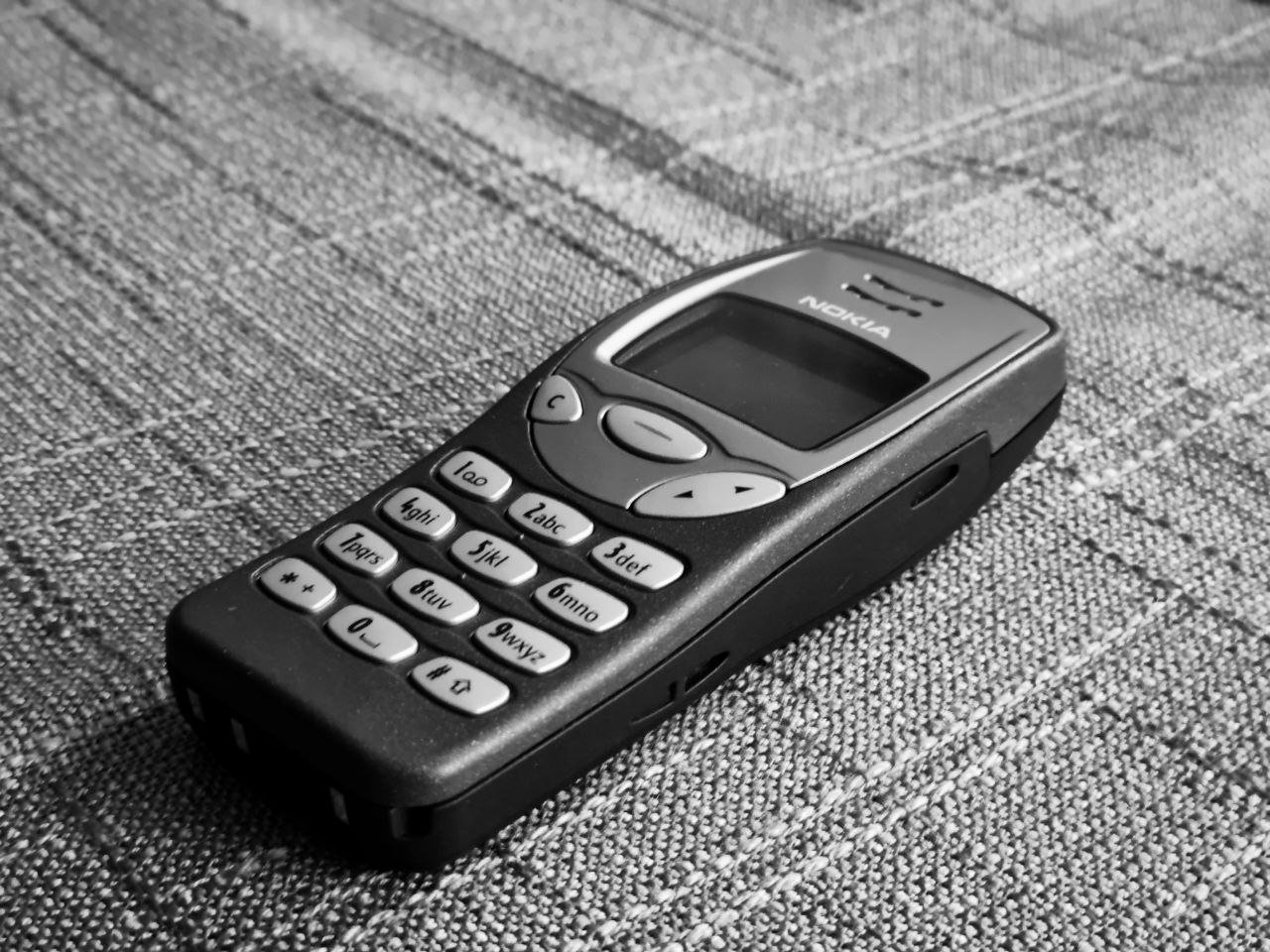
a brand new Nokia 3210 that I own which I never actually used
I decided to remove the SIM card, left the phone where I had found it, and headed to a gadget store to purchase my first touchscreen phone. I don't remember the brand, and it doesn't really matter. Most smartphones these days offer similar functionality, whether they cost $1,000 or $200. The primary distinguishing factor, in my opinion, is the camera, which is why I opted for Samsung phones for many years.
My stubbornness in transitioning from a physical keyboard phone to a touchscreen phone parallels my recent attitude toward AI. If you read some of my posts from about six months ago, you'll notice my resistance to this technology. After some reflection, I realized that I might be making the same mistake with AI as I did with smartphones several years ago.
I do not encourage the use of AI for content creation on Hive, for example, as I don't consider such forms of expression to be legitimate in the first place. However, this post is not about Hive and its content; it's about AI, technology, and the common stubbornness some of us exhibit toward disruptive technology. If there's one thing I've learned from @taskmaster4450, it's to never fight technology.
While most of us on Hive are familiar with blockchain technology and cryptocurrency, many people outside our community remain unfamiliar with it and dismiss it entirely. My stance toward AI may have been similar, but whether we like it or not, AI is here to stay. There are several examples of AI use cases that have made me reconsider my position.
For instance, YouTube is expanding its Creator Music feature with new AI features, including an AI-dubbing tool. Additionally, the same video streaming platform, which I'm not particularly a fan of, announced a new feature for its short-form video platform, Shorts, that allows users to leverage AI tools to create videos.

These are early days for AI usage, no doubt about it. One of the most groundbreaking recent developments is Neuralink's ambition, led by Elon Musk, to restore sight and mobility to those who are blind or paralyzed.
Elon Musk's brain implant startup has been granted permission by an independent review board to begin recruiting patients with paralysis to test its experimental brain chip.
Neuralink's PRIME Study (short for Precise Robotically Implanted Brain-Computer Interface) is an investigational medical device trial for its fully implantable, wireless brain-computer interface (BCI) – and aims to evaluate the safety of its BCI and surgical robot.
During the study, the surgical robot will place the BCI in a region of the brain that controls movement intention. Once in place, the BCI will be cosmetically invisible and is intended to record and transmit brain signals wirelessly to an app that decodes movement intention. The goal is for people with paralysis to control a computer cursor or keyboard using their thoughts alone.
source
AI is a technology with tremendous potential, and while I wouldn't entrust it with too much responsibility or decision-making power, I also don't want to make the same mistake with this tech as I did with touchscreen smartphones during my Nokia days. What are your thoughts on this?
Thanks for your attention,
Adrian






