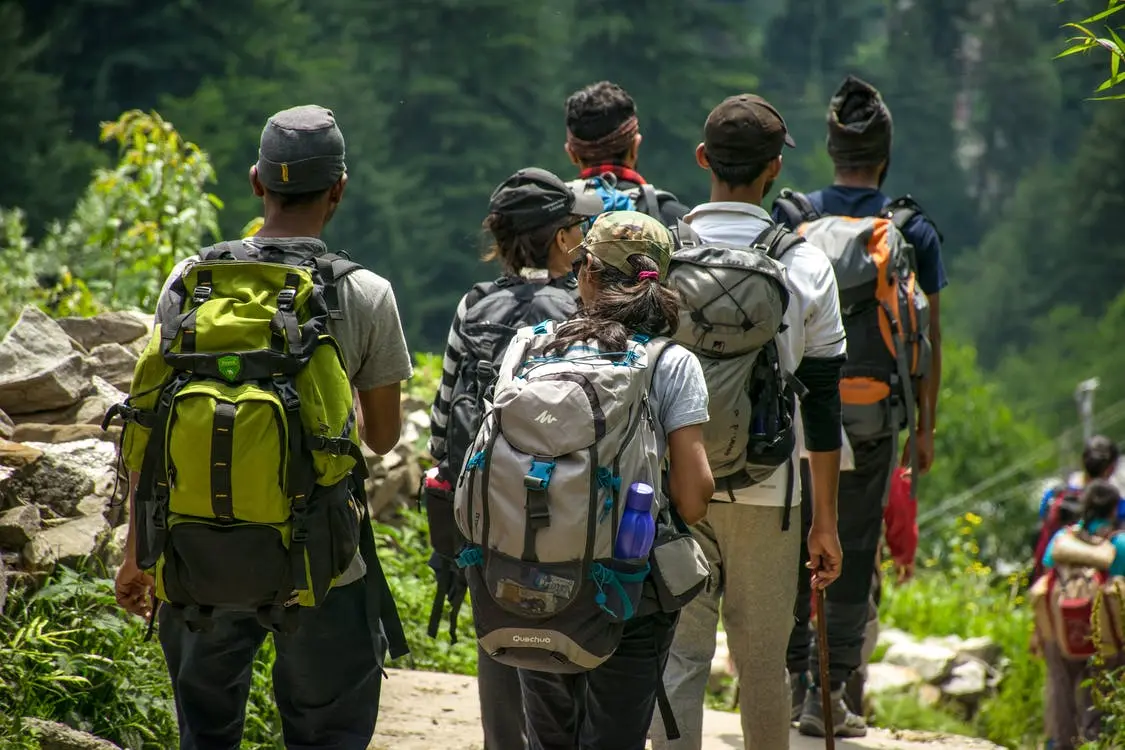
Photo by Guduru Ajay bhargav from Pexels
Well the COVID lockdown restrictions are lifting here and that means we are allowed travel further for non-essential reasons. Winter is my favorite time for hiking, we usually get mild weather (it doesn't snow often or much here), usually clear and bright but cold days and its a real nice time to have some comfort food upon returning.
Getting back to hiking after a few months off is similar to trying it for the first time so you need to be prepared.
Despite trying to keep fit during the lockdown with weights, running and yoga videos there is a different kind of tiredness experienced after a long day of walking up and down inclines and declines (a very nice, satisfying type of tiredness that creeps up on you and hits when you sit down that evening.)
If hiking or hill walking is new for you and will be a New Years resolution or you are simply getting back to it after a break there are important things to consider.
The purpose of this post is to help people prepare somewhat for day hikes or hill walks a few hours long, not for serious hikers who will know this (and more) already.
The best way to get started/restarted is to pick some trails near to where you live, either ones you are familiar with or that are well trekked by others. It can be hard to gauge where you stand fitness wise and so it is wise to account for this until a base of fitness is established.
To start, a trail with well defined paths and not too steep inclines or declines is perfect, where I live there are plenty of forest path walks that take 1-3.5 hours and could be considered relatively easy. The nice part about this is they are generally well marked with route time estimations, busy enough with other walkers in case you need advice or assistance and the trees help to block some wind or sun on a hot day.
There is no need to blow a load of money on hiking gear if these are hikes to just test the waters especially if you will be trying out a few easy trails to start. All you will really need is,
- Comfortable shoes that you have worn before, they shouldn't be too light (no toms or converse)
- Water (this is hard to gauge but it depends on temperatures where you are and how long you will be hiking for). I usually bring 2 Liters and leave some more in the car.
- A few light layers and a jacket/ windbreaker is better than one heavy hoodie/ sweatshirt. It is easier to adjust for temperature with lighter layers as you have more in between options than *heavy coat on, heavy coat off*. If you have any base layers like Underarmour these are good to start with. Jeans are
- Sun protection (more important for some areas than others) but I like to put some on my face and neck at the very least even on a winter's sunny day.
- A fully charged phone (for emergency use/maps). If you will be using it for taking photos etc also it would be advisable to bring battery pack to recharge also in case you need it. (I bought a dumb phone just for hiking, on standby the battery lasts about 3 weeks. I just leave it turned off in my bag and check it is charged before I head out. Such phones should be able to make calls even without a sim card to emergency numbers if help is needed)
- Basic first aid kit and medications. Obviously this will depends on any medications required by you and your level of first aid training. Anyone with beyond basic first aid training will have their own ideas what to bring. You should at least have; A few of different sized bandaids, blister plasters (although if you choose footwear right these will hopefully not be needed), prescription medications as applicable to you, ibuprofen, antihistamine tablets (hayfever or bug bite itch can nearly ruin a nice hike) and some wound care ointment. Some glucose tablets can be a good idea too in case anyone is feeling weak or faint if not used to hiking. Remember to check with your Doctor or Pharmacist before taking any medications.
There are plenty more lists for comprehensive first aid kits for longer hikes listed online (such as on Hiking Daily https://hikingdaily.com/hiking-first-aid-kit/ ) but again, listed above is the bare minimum I would bring for cuts, grazes, blisters and allergies.
- Some food or snacks are a good idea. Again this depends on the length of the hike, if going out for hours on a hot day a sandwich won't keep very well but things like nuts and fruit or protein bars are a good way to keep energy up.
- I like to bring a high-vis vest (the type you can wear for cycling). Even if you don't wear it at all times it can be good if you need to walk along roads at any stage of the trail or have to signal for help you are much more visible.
If you have packed all the above there are just a few more things to note.
- Always tell someone where you are going, when you are going and when you would expect to be back. No one plans to get lost but it happens. If you aren't home by a certain time and are un-contactable at least you have someone who can alert the appropriate authorities for advice/ assistance.
- Check the weather before heading out for the area you are going to. Even an elevation change of a few hundred feet can have quite different temperature, wind speeds etc. so it is good to be prepared in terms of clothes and time.
- This ties in with checking the weather but check local hiking group blogs/ facebook pages/ ranger websites for any advice on the area you are going to and if there have been any dangerous animals spotted, what to look out for on your chosen trail etc. Such groups can also be a good way to get into hiking if no one you know is interested.
- Especially in winter time be aware of how short day light hours can be. The sun is much lower and it gets dark fast. Leave early and plan on being back a few hours before dark. Again the high-vis could be useful here. A decent torch ( or preferably a headlamp) is also good to bring if you have one.
And most importantly, have fun! There is a whole world out there to go and see!
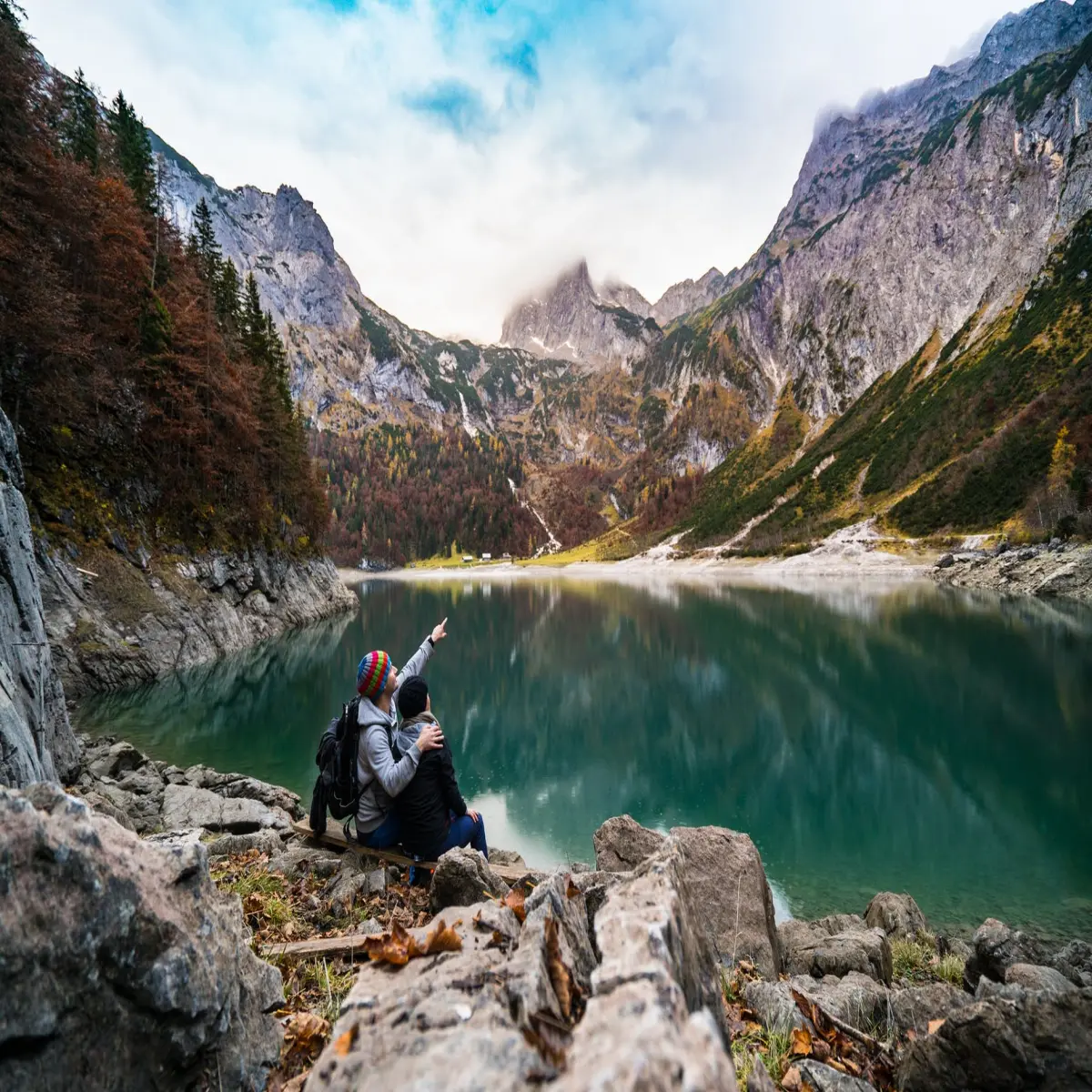
Photo by Flo Maderebner from Pexels
(This list may seem daunting in length but it is just an attempt at listing the basics before heading out. There are plenty of resources available for hiking for beginners and some advice will change depending on your local climate, fauna and individual needs so plan for those too.
If I missed anything or you have any knowledge or insights drop them in the comments. I am always looking to learn more!)






