
Thank you for taking the time to read this article!! Please follow us on XGreenconflict
Image credits: Free AI Stock Image generator.
Regenerative finance is an emerging concept that seeks to transform traditional financial systems by integrating ecological and social considerations into economic decision-making. This approach aims to create a more resilient and inclusive financial infrastructure that supports long-term sustainability and regeneration of natural resources. The advent of web3 technologies, such as blockchain and decentralized finance (DeFi), provides a promising foundation for implementing regenerative finance principles in the digital realm.
The convergence of regenerative finance and web3 facilitates innovative solutions for climate action, sustainability, and social equity. By leveraging blockchain technology, smart contracts, and tokenization, these solutions can deliver greater transparency, accountability, and efficiency in financial transactions and resource management. The expansion of decentralized financial networks allows for broader participation and democratization of economic power, fostering the growth of regenerative economic models.
Key Takeaways
Regenerative finance integrates ecological and social factors in financial systems, promoting long-term sustainability.
Web3 technologies, such as blockchain and DeFi, provide a foundation for implementing regenerative finance principles and innovative solutions.
The convergence of regenerative finance and web3 fosters greater transparency, accountability, and democratisation of economic power.
Understanding Regenerative Finance and Web3
The Concept of Regenerative Finance
Regenerative finance is an innovative approach to economic systems and financial management that focuses on creating sustainable, thriving, and resilient ecosystems. This concept aims to transform the way we think about wealth and prosperity by emphasizing the importance of regenerating ecosystems, localism, and long-term planning. It is rooted in the principles of regenerative economics, which prioritize social well-being, ecological health, and the equitable distribution of resources.
What is Web3
Web3 refers to the next generation of internet, powered by decentralized technologies such as blockchain. It is a more transparent, accessible, and secure digital environment that enables users to interact directly without intermediaries like banks, governments, or corporations. Web3 fosters innovation and collaboration through the use of decentralized applications (dApps), smart contracts, and other decentralized tools such as cryptocurrencies and decentralized finance (DeFi) platforms.
Integration of Regenerative Finance in the Web3 Context
In the context of Web3, regenerative finance (ReFi) can leverage the power of blockchain technology and decentralized platforms to create more sustainable and equitable financial systems. By integrating the principles of regenerative economics with the advanced features of Web3, ReFi has the potential to transform the way money and resources are managed, fostering prosperity and well-being for all.
For instance, ReFi can take advantage of DeFi platforms to help users invest in sustainable projects, allocate funds towards eco-friendly practices, and incentivize the regeneration of ecosystems. Furthermore, Web3 enables the creation of transparent and traceable supply chains, which can facilitate the tracking and measurement of the social and environmental impacts of investments, ultimately fostering a more responsible and conscious financial system.
Therefore, the intersection of regenerative finance and Web3 opens up new possibilities for a sustainable future by harnessing the power of decentralized technology and applying it to reshape our economic systems. Through greater education and accessibility, ReFi and Web3 can drive a paradigm shift in the way we approach wealth, money, and prosperity, ultimately contributing to a more regenerative and resilient world.
Technological Foundations
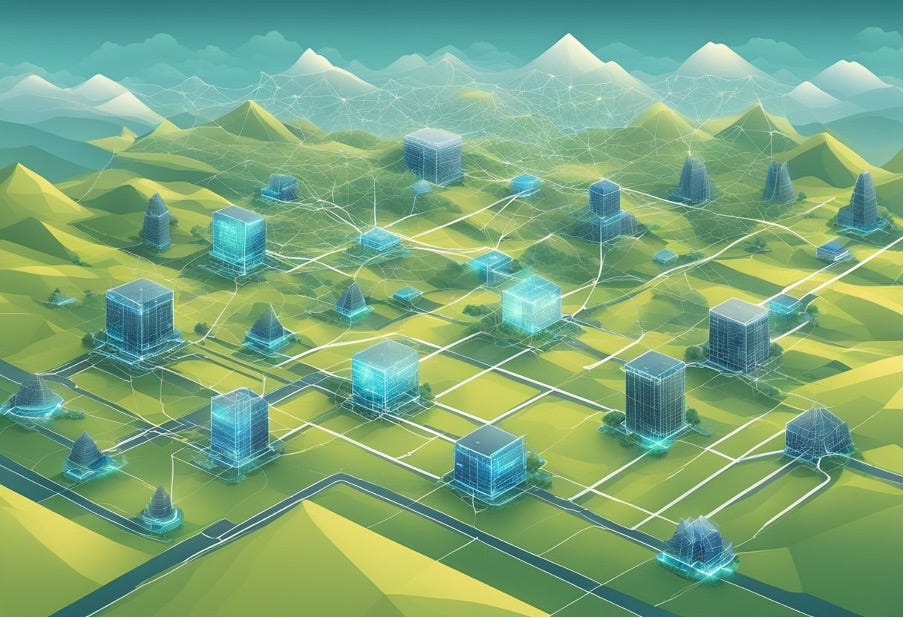 Image credits: Free AI Stock Image generator.
Role of Blockchain
Blockchain is the underlying technology that enables regenerative finance and Web3 applications. It is an immutable, decentralized digital ledger that securely records transactions across multiple computers. The use of blockchain in regenerative finance ensures transparency, trust, and security, eliminating the need for intermediaries and enabling peer-to-peer transactions. Blockchain technology is the foundation for many decentralized applications, such as cryptocurrencies, tokens, and smart contracts.
Importance of Decentralization
Decentralization is a key aspect of regenerative finance and Web3 that utilizes distributed networks rather than centralized institutions. It empowers individuals by removing central authorities and reducing barriers to entry. Decentralized systems foster resilience, reduce the risks of single points of failure, and promote a more equitable distribution of power and resources.
In the context of regenerative finance, decentralization allows for greater financial inclusion, as well as the development of innovative financial products and services that promote sustainability and social impact. By leveraging decentralized networks, regenerative finance can democratize access to capital and create a more inclusive and resilient financial ecosystem.
Cryptocurrency and Tokens
Cryptocurrencies and tokens play a significant role in regenerative finance and Web3. These digital assets enable the transfer of value and the creation of new economic systems. They can be used to incentivize sustainable practices, fund green initiatives, and promote the development of eco-friendly technologies.
Cryptocurrencies are digital currencies that use cryptography for security and are decentralized, such as Bitcoin and Ethereum. Tokens, on the other hand, are digital assets that represent specific rights or functionalities within a platform or ecosystem built on top of a blockchain, for example, utility or governance tokens.
Regenerative finance leverages the potential of cryptocurrencies and tokens to create alternative financial systems that prioritize environmental, social, and governance (ESG) goals.
Understanding Smart Contracts
Smart contracts are self-executing agreements with the terms and conditions directly written into lines of code. They run on blockchain platforms, such as Ethereum, enabling the creation of decentralized applications (dApps) and Web3 solutions. Smart contracts automate processes, reduce costs, and increase efficiency in a wide range of applications, from simple transactions to complex financial products.
In regenerative finance, smart contracts play a crucial role in embedding sustainability measures, automating governance, and ensuring transparency in the allocation and management of funds. By using smart contracts, regenerative finance can create innovative financial instruments that drive positive social and environmental outcomes.
By leveraging the power of blockchain, decentralization, cryptocurrencies, and smart contracts, regenerative finance and Web3 are poised to transform the financial landscape, fostering a more sustainable and inclusive future for all.
Climate Impact and Sustainability
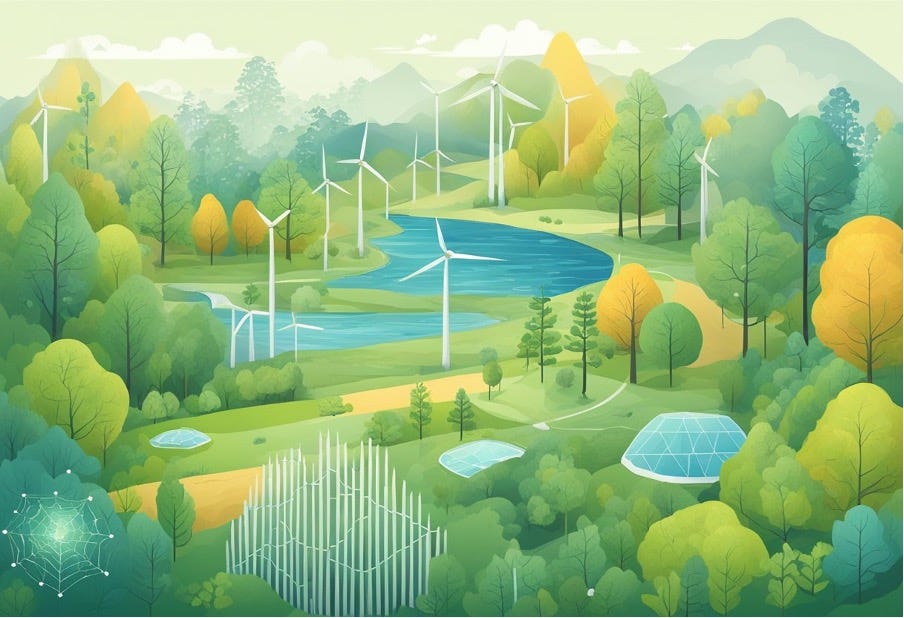 Image credits: Free AI Stock Image generator.
Climate Change and Regenerative Finance
Regenerative finance is an emerging practice in the financial world that focuses on creating self-sustaining, resilient systems and promoting long-term environmental health. One of the key aspects of regenerative finance is its potential impact on climate change. Through the use of blockchain and Web3 technologies, regenerative finance can help facilitate market-based solutions for reducing greenhouse gas emissions and promoting sustainable practices.
Such solutions might include investments in clean energy, the promotion of carbon markets, and the support of initiatives that foster climate resilience. By approaching climate change from a systemic and decentralized perspective, regenerative finance stands to offer transformative solutions for addressing the climate crisis and steering the economy toward a more sustainable path.
Biodiversity and Sustainability
Biodiversity is crucial for the overall health of ecosystems, and its preservation is an essential component of sustainability. Regenerative finance can be instrumental in promoting sustainable development that takes into account both ecosystems and economic growth. By giving preference to projects that foster biodiversity, regenerative finance aligns financial systems with ecological principles to ensure a thriving planet.
In this context, Web3 technology can help ensure transparent, secure, and decentralized financial transactions that prioritize biodiversity and facilitate cooperation among stakeholders. This can lead to better management of natural resources, enhanced conservation efforts, and ultimately, the protection of our planet’s invaluable biodiversity.
Role of Carbon Credits
Carbon credits play a vital role in mitigating greenhouse gas emissions and achieving net-zero targets. They enable organizations to offset their emissions by investing in projects that generate reductions in greenhouse gas emissions. The use of blockchain technology in regenerative finance facilitates the creation, tracking, and validation of carbon credits, thereby leading to a more reliable and transparent voluntary carbon market.
Web3 technologies can enhance the carbon credit market by providing a decentralized platform for the trade and management of credits, facilitating trust and cooperation among participants. This, in turn, boosts the demand for and efficacy of carbon credits while accelerating global climate action efforts.
In this respect, regenerative finance and Web3 technologies have the potential to play a transformative role in climate impact and sustainability. By leveraging market-based solutions and technological innovations, they can address climate change, preserve biodiversity, and support the global transition to a greener, more sustainable future.
Economic and Social Implications
Transforming the Financial System
Regenerative finance aims to revolutionize the traditional financial system by using Web3 technologies to establish a sustainable and eco-friendly economic framework. This new approach seeks to account for negative externalities associated with economic activity and minimize their impact on the environment. By creating a transparent, decentralized, and more equitable financial infrastructure, regenerative finance can potentially foster an economic system that focuses on long-term well-being and environmental conservation.
Promoting Equality and Prosperity
One of the goals of regenerative finance is to promote equality and shared prosperity within the financial system. This innovative approach addresses economic disparities by democratizing access to financial services, reducing barriers to entry, and increasing financial inclusion. As Web3 technologies facilitate seamless transactions and frictionless communication across the globe, they empower individuals and communities, especially those in underserved regions, to participate in and contribute to the digital economy.
Regenerating the Global Economy
Regenerative finance, as a movement, envisions a global economy that is vibrant, resilient, and sustainable. It aims to shift the economic focus from short-term gains to longer-term, environmentally responsible outcomes. By encouraging investment in eco-friendly projects, businesses, and technologies, a regenerative economic system supports the transition to a low-carbon, resource-efficient global landscape. This sustainable model can potentially generate long-term value for various stakeholders and foster renewal, transformation, and balance within the global economy.
Spatial and Housing Considerations
The application of regenerative finance principles extends beyond traditional financial services. They can also impact housing and urban development by promoting sustainable infrastructure, materials, and resilient spatial planning. For instance, investing in affordable green housing solutions can improve societal well-being and reduce environmental footprints. Furthermore, the integration of Web3 technologies in property transactions can provide increased transparency, efficiency, and fairness in accessibility to housing resources.
In essence, regenerative finance and Web3 technologies present an opportunity to transform the global economic and social landscape, prioritizing sustainable growth, social equity, and environmental preservation. By reimagining financial systems and promoting innovative approaches, regenerative finance can contribute significantly to building a more resilient and inclusive world.
Regulative Aspects and Key Players
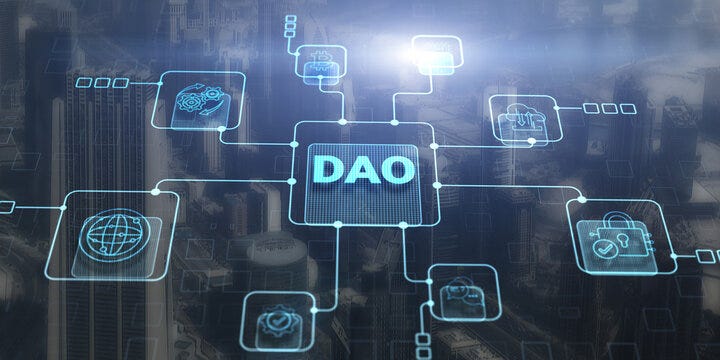 Image credits: Adobe stock images
Role of Intermediaries
In the realm of regenerative finance and web3, intermediaries play a crucial role in facilitating transactions and fostering trust among stakeholders. Blockchain-based platforms enable transparent, tamper-proof tracking of financial transactions, which in turn allows intermediaries like banks, payment providers, and auditors to verify and validate financial data more effectively. This increased transparency can help bridge trust gaps between institutions, facilitating the growth of regenerative finance within the web3 ecosystem.
Influence of Nation States and International Organizations
Nation states and international organizations are also key players in shaping the regulatory landscape for regenerative finance within the web3 space. Governments have a significant stake in promoting a sustainable future and often participate in discussions involving the development of policies and regulatory frameworks. For instance, the World Economic Forum and the World Bank play a vital role in fostering dialogues around economic growth, sustainability, and technological advancements such as web3.
These organizations often collaborate with private sector stakeholders, civil society, and government authorities to create guidelines and roadmaps for the implementation of regenerative finance practices within the web3 framework. However, with increased jurisdictional differences and political complexities, regulatory harmonization becomes a challenge, and these organizations act as facilitators for cohesive policies that are adapted across borders.
Community Governance and DAOS
Decentralized Autonomous Organizations (DAOs) are an integral part of web3 and play a significant role in the implementation of regenerative finance. These organizations are driven by community governance and operate on decentralized platforms using smart contracts and tokenomics to create a self-sufficient ecosystems that facilitate democratized forms of fractional ownership of assets point in case real estate properties at scale.
The community members of a DAO are responsible for proposing, voting, and managing the various aspects of the organization. This decentralized governance model empowers a wide range of stakeholders to participate in decision-making processes, fostering a more inclusive and resilient financial ecosystem. It also helps in aligning incentives and ensuring that regenerative financial practices are incorporated effectively within the web3 landscape.
Overall, the regulatory aspects and key players within the regenerative finance and web3 space play a pivotal role in enabling sustainable growth and fostering innovation. As more stakeholders join the movement, the potential for positive impact on the global economy and the environment grows even stronger.
Future Prospects and Challenges
Regenerative finance and web3 are gaining increased interest in the world of finance and technology. As these sectors grow and evolve, understanding the future prospects and challenges they face is crucial. This section briefly explores three key issues: volatility and market cap, carbon emissions and negative externalities, and public perception and accessibility.
Volatility and Market Cap
One of the most significant challenges facing regenerative finance and web3 is the volatility of the markets they operate in. Traditional financial systems have established structures for dealing with fluctuations in stock prices, investments, and currencies. However, web3 technology introduces new forms of digital assets and value creation, which can contribute to increased market volatility. Additionally, market capitalizations in these sectors can be subject to dramatic shifts, leading to concerns about the stability and long-term viability of these financial models.
Carbon Emissions and Negative Externalities
Another challenge arising from the intersection of regenerative finance and web3 is the potential impact on the environment. The energy-intensive nature of blockchain technology that is based on Proof of Work (PoW) and the need for extensive computational power can result in significant carbon emissions. As a result, these innovations might inadvertently contribute to climate change and other negative externalities. As the sectors grow, they must address such externalities and work towards sustainable solutions that minimize their environmental impact such as the Proof of Stake (PoS).
Public Perception and Accessibility
The final challenge explored in this section is the influence of public perception and accessibility on the growth and adoption of regenerative finance and web3 technologies. For these sectors to gain widespread acceptance and use, they must overcome challenges related to transparency, distribution, and reaching diverse groups of users and investors. This includes ensuring that the benefits and value of regenerative finance and web3 reach people across various socioeconomic backgrounds and geographies.
In a nutshell, the future prospects and challenges for regenerative finance and web3 are multifaceted and complex. As these sectors continue to evolve, they will need to address issues related to market volatility, environmental concerns, and public perception. By doing so, they can contribute positively to the sustainable development of global economies and societies.
This post was originally published on medium






