
With the term priceeconomy, we mean the increase in the price of goods and services over time. This has as a consequence the possibility of the purchasing power of money and therefore also the reduction of the possibility of final consumers. The causes are many but the one that weighs the most is the excess of money. In fact, the excessive production of coins by central banks causes an uncontrolled surplus of the latter, which therefore lose value at an annual rate of about 2%. The consumer is the one who suffers the most and for this reason a defense against the inexorable erosion of one's savings is necessary.
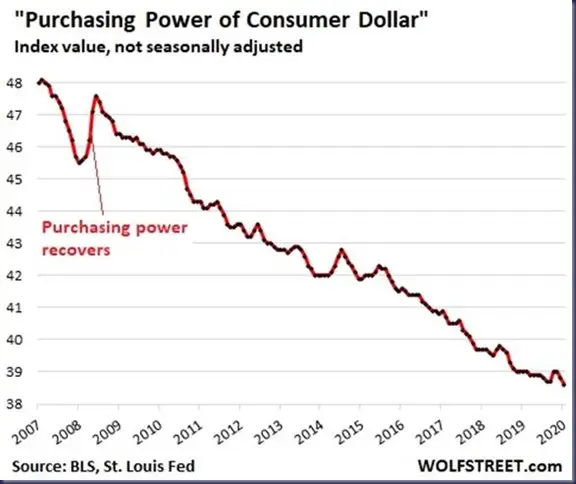
Holding cash in your bank account may be necessary for day-to-day expenses, but as we have seen, this is subject to constant loss. Having a source of income that guarantees the entry of capital to make up for the loss would be really useful in this period. So let's see how you can build a portfolio capable of generating a small income that puts us safe from exposure to the Fiat currency, but without being volatile like cryptocurrencies.
An "hedging" portfolio
The concept of "hedge" is particular and must be understood. First of all, I state that an investment is a different thing from the portfolio which instead must be destined to protect against inflation. In fact, the investment portfolio has a speculative purpose in the long or short term, while the one against inflation aims to maintain the value of liquid savings.
As a first step it is necessary to define how much liquidity we want to hold in the bank for our expenses and how much we want to move to allocate it to the income.
To give a simple example, if $10,000 remains as cash and $3000 is to be rented, we calculate an annual loss of $200 (2% of 10,000) on the former and another $60 on the rest (the annuity capital is also subject to inflation! ), for a total of $260. It is therefore necessary that the hedging portfolio returns at least 8.5% per year to bear the total loss. The options are different, some I have already explained in my article "Best Ways to Earn Stablecoins Passive Income".
In summary, there are some platforms that yield between 8 and 9% on stablecoins deposits, which are just right for us. The first is definitely Celsius Network, whose yields on BUSD, USDT and USDC are 8.88%, while the second is BlockFi which recently raised APYs on USDT to 9.50%.
All that is required is therefore the holding of the assets just listed within these centralized finance platforms and these will correspond to you an income between 8 and 9%. The use is extremely simple and there are no restrictions.
I must also point out some interesting opportunities:
- Valora, Celo's wallet, currently offers 50% on the first $1000.
- On Anchor Protocol (blockchain Terra), 20% APY on UST.
- On Venus Protocol (Binance Smart Chain), 14% APY on USDT.
(Be careful because these latest solutions are linked to the DeFi world and for this reason there is a greater risk in their use.)
Conclusion
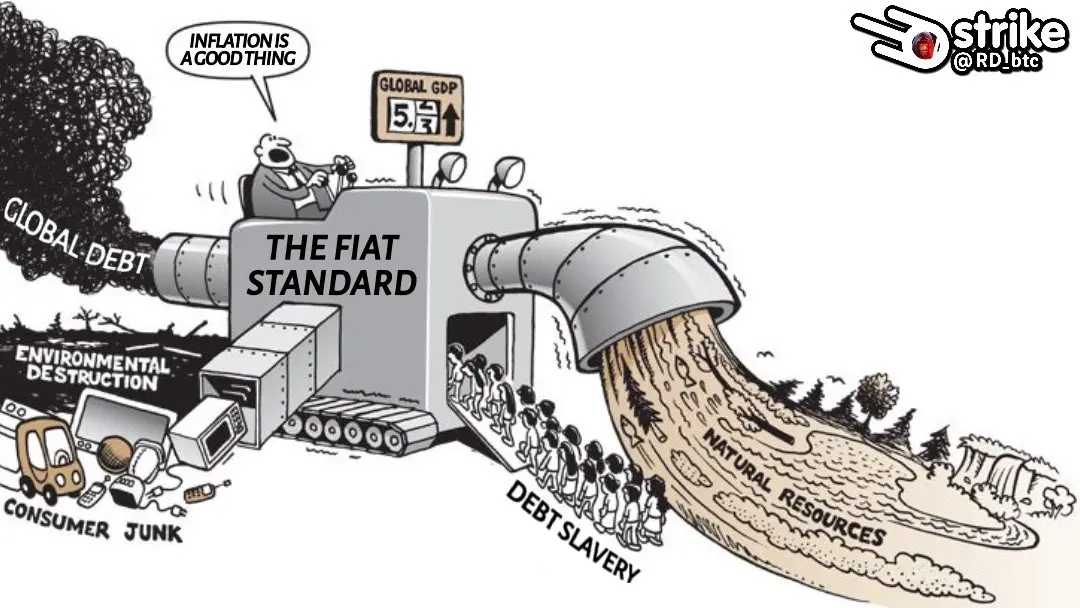
Anyone should become aware of the phenomenon of the increase and should do it as soon as possible to lose less money. In the end it is an invisible loss but which becomes perceptible only with the passing of the years. This is why it is important to have financial coverage that does not guarantee an income (for that there are investments) but that at least guarantees the non-loss of one's savings.
Always DYOR before investing.
Read also:
Not yet subscribed to Celsius Network?
Yield your BTC up to 6.20% APY and receive a $50 bonus with this link.
If you liked this article please support me by following me here and on Twitter, leave me a like or use one of my referral links below. 👇
-Thank you-
➡️ Join Celsius Network using my ref & earn $50 in BTC
➡️Use BlockFi and get up to 4% on Bitcoin. Read here how to do






