

Web3 Games have already become part of the crypto ecosystem, making up a considerable part of users' daily activities. However, when compared to the traditional gaming market, this number still has a lot to improve, with more developed games and large studios creating attractive games for audiences outside of Crypto to be interested in playing. With that, a big point to be considered is the issue of rewards, which is the big differentiator of these games. Come and find out a little more about some of the most used models.
I'll be much appreaciated if you Upvote, Reblogs or give any Tips ( PIZZA 🍕, PGM 🎮, LOLZ 😆, ALIVE ❤️, etc ). Thanks and have good reading! 🍀

[ENGLISH VERSION]
Play To Earn
The first way to reward players in Web3 Games was through the Play to Earn model, which allowed players to exchange and trade what they earned in the game as Tokens or NFTs with other players. This model guarantees greater ownership and control to players, because it gives them control over what to do with what they have achieved by investing their hours of play; they can choose to improve their character or exchange their resources in decentralized marketplaces.

However, of the various games that implemented this type of model without first thinking about the economic issue, they ended up having great growth at the beginning and later, with the massive sale of resources, the value of the items tended to zero, because there was a supply of almost 100% and a demand close to 0%, that is, players wanted to sell everything and there was no one wanting to improve the account thinking in the long term since there was no sustainability.
Ranking x Competition

The second model that began to be used was the Ranking, which consisted of rewarding the best players through a Leaderboard, where the X best in the Ranking would receive the reward. This economic system keeps players involved, always seeking to improve their account in order to move up in position and also always creates the doubt that someone could end up passing their position at any time. The problem arises in how to balance this system so that new players are encouraged to participate as well and it does not always remain in the hands of the same users. A possible solution would be to reset the rankings at the end of the season perhaps…

In web2 games the element of competition is very strong and is mainly seen in team games such as CS GO or LOL, in which one team must defeat the other to win the competition. This competitive spirit contributes greatly to the game's economy, because it encourages organizations to form professional teams to participate in events that pay large prizes. It also creates a more engaged community of fans who root for their team to be victorious. However, what is most common to observe are game competitions giving rewards of items linked to the game, which limits the usefulness and has no real value outside of it.
Play to Airdrop
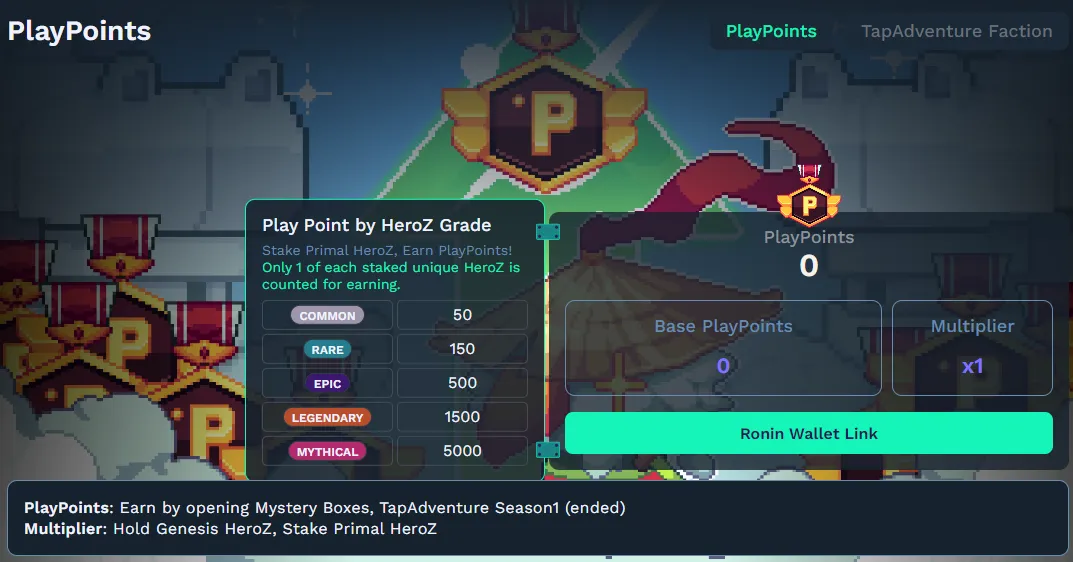
Recently a new rewards model has become increasingly present, which is Play to Airdrop, which is a way of reward players with tokens and in-game items, depending on the score they manage to achieve in a given period. This system limits the amount of resources that players can achieve because it is usually an amount already separated from the Token's tokenomics and is democratic since everyone can participate normally. One example is Pixel Heroes Adventure, which will reward players with the $ADVTR token, depending on the amount of PlayPoints they have accumulated during the period.

However, there is always a problem that needs to be solved when it comes to Web3 Games. This time, the issue is that the development team usually prepares a whole plan for the Airdrop, but does not have a plan for what will happen when the airdrop ends and there are no more direct incentives for players. The main point is to ensure sustainability in the game economy thinking in the long term and for that it is important to think about Fun and Updates that will make the game interesting for players have fun and still have ownership of their assets.






