
In the dynamic world of cryptocurrencies, "tokenomics" has emerged as a crucial concept that underpins the economic mechanics of digital assets. An amalgamation of "token" and "economics," tokenomics refers to the study of the economic principles and design elements that govern cryptocurrencies and blockchain-based projects. In this comprehensive article, we will delve into the intricacies of tokenomics, exploring its significance, key components, and its impact on the thriving crypto ecosystem.
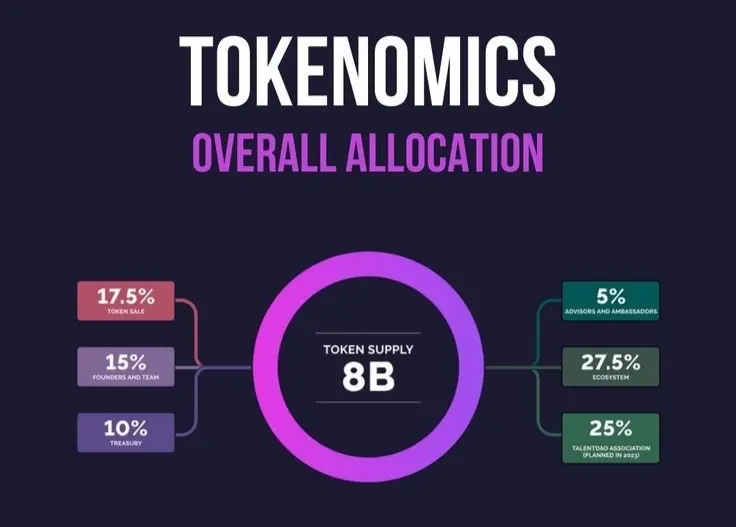
At its core, tokenomics is the backbone of a cryptocurrency's economic structure. It encompasses a range of factors that define the token's value, utility, and overall viability within its respective blockchain network. By carefully crafting tokenomics, blockchain projects aim to create sustainable and valuable digital assets that resonate with users, investors, and the wider community.
a. Token Distribution: The initial distribution of tokens during a project's launch or fundraising event plays a pivotal role in shaping its success. A fair and transparent token distribution model ensures that tokens are distributed equitably among investors, developers, and the community, fostering a sense of trust and inclusivity.
b. Token Supply: The total supply of tokens in circulation profoundly impacts token value and scarcity. Some cryptocurrencies opt for a fixed supply to emulate the scarcity of precious metals, while others adopt inflationary or deflationary mechanisms to adjust token supply dynamically based on network needs.
c. Use Cases and Utility: A token's utility defines its purpose within the blockchain ecosystem. Tokens can serve as a medium of exchange, granting access to platform features, enabling voting in governance matters, or participating in decentralized applications (dApps) and smart contracts. The more versatile and practical the token's utility, the greater its demand and value.
d. Governance Mechanisms: In decentralized projects, token holders often wield governance power, influencing decisions regarding protocol upgrades, changes to tokenomics, and community initiatives. A robust governance structure enhances decentralization and community engagement, safeguarding the project's long-term sustainability.
e. Incentive Mechanisms: Tokenomics often incorporates incentive models to motivate desired behaviors and active participation within the network. Staking rewards, yield farming, and liquidity mining are examples of mechanisms designed to reward users for contributing to the network's stability and liquidity.
Tokenomics and Token Valuation
The success of a cryptocurrency is intimately tied to the effectiveness of its tokenomics. Token valuation is influenced by factors such as scarcity, utility, demand, community adoption, and technological innovation. A well-designed tokenomics model aligns the interests of all stakeholders, driving demand and supporting a healthy price trajectory.
Tokenomics is a rapidly evolving field in the cryptocurrency space. As the industry matures, projects are continuously experimenting with innovative tokenomics models to address scalability, sustainability, and user engagement challenges. This evolutionary process is essential for fostering healthy competition and driving progress within the blockchain space.

Tokenomics lies at the heart of the cryptocurrency revolution, shaping the economic principles that dictate the value and utility of digital assets. By considering token distribution, supply, use cases, governance, and incentives, blockchain projects can create a solid foundation for success. As tokenomics continues to evolve, it will undoubtedly play a pivotal role in the growth and adoption of cryptocurrencies, fueling the quest for a decentralized and economically empowered future.





