Pakistan plans to direct some of the excess electricity to mining and data centers for artificial intelligence (AI), Bilal bin Saqib, head of the Pakistan Cryptocurrency Council (PCC) and adviser to Finance Minister, told Reuters.
Pakistan's energy sector is facing a number of challenges, including high electricity tariffs and excess generating capacity.
The prolonged economic crisis has reduced electricity consumption, resulting in excess capacity for the country, which it still has to pay for under multi-year contracts with independent electricity producers.
The rapid proliferation of solar energy facilities has further complicated the situation, as more and more consumers are turning to alternative energy sources to reduce high costs.
Sahib said that the final decision on the location of the mining center will be made taking into account the availability of excess capacity in specific regions. He also said that negotiations have already been held with several mining companies.
The leaders in mining capacity are the United States and Russia, but mining is also developing in other countries with affordable sources of electricity, such as Bhutan or El Salvador.
Saqib said that there are 15-20 million users of cryptocurrencies in Pakistan and the country is among the ten largest in the use of cryptocurrencies, despite the fact that these assets are not officially allowed there.
He also noted that Pakistan ranks third in the world in terms of the number of freelancers. According to Sakib, the country needs regulatory "sandboxes" or secure testing environments to drive innovation and growth in financial technology and the freelance economy.
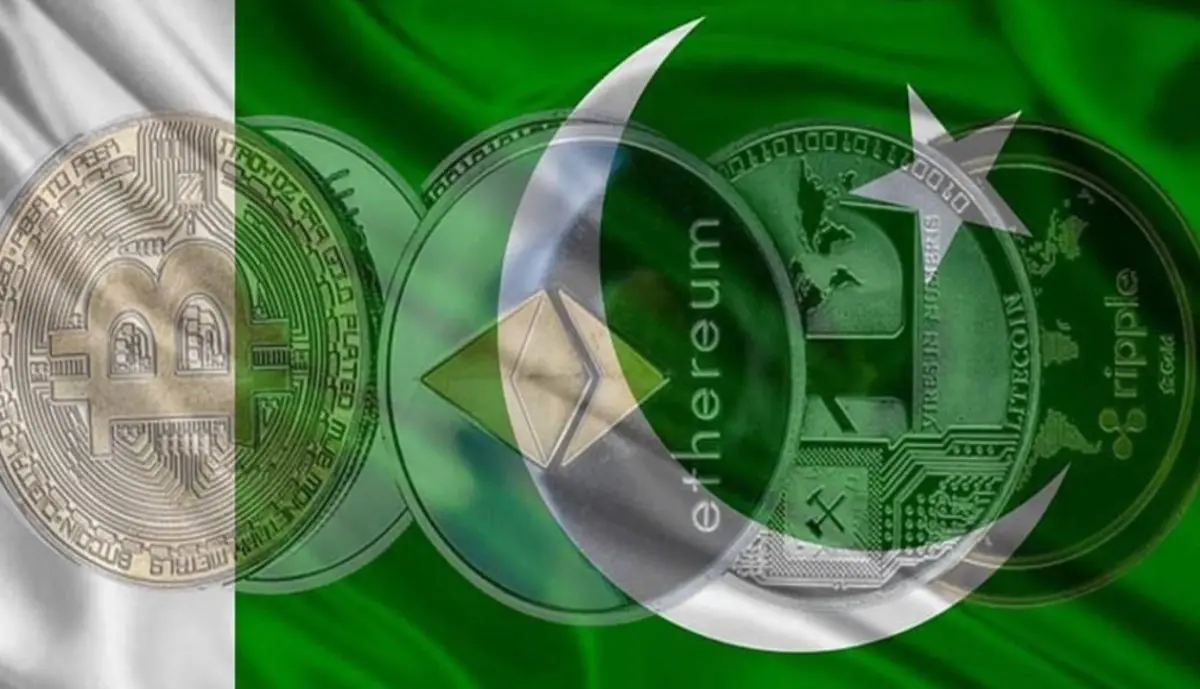
At the end of March, it became known that Pakistan plans to legalize cryptocurrencies and create a legal framework for them. Both in order to attract international investment and to develop the local ecosystem.
In early April, Binance founder Changpeng Zhao became a strategic advisor to the Pakistan Cryptocurrency Council (PCC), he will make recommendations on the regulation of the crypto market, infrastructure, education and the introduction of digital assets.






