
Good day everybody,
Welcome to CryptoGod-1's blog on all things crypto. Today I will be doing a write up on an article I came across which went into detail about how a crypto whale managed to bypass a strict limit on staking amounts for Chainlink. This was done in quite the ingenious way, but making use of more than 150 wallets.
What is Chainlink
Chainlink is a framework for building Decentralized Oracle Networks (DONs) that bring real-world data onto blockchain networks, enabling the creation of hybrid smart contracts. Basically what this means is they are a provider of price feeds and other data for blockchains to feed into their own smart contracts. It aims to ensure that the external information (pricing, weather data, event outcomes, etc.) and off-chain computations (randomness, transaction automation, fair ordering, etc.) fed to on-chain smart contracts are reliable and tamper-proof. It was developed by ChainLinkLabs, which was founded in 2014 by Sergey Nazarov and Steve Ellis.
Crypto Whale
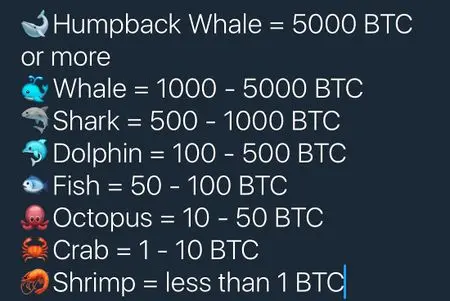
A Crypto Whale is a person or organisation which is considered to hold a substantial amount of the asset. They are capable of influencing the price of said crypto asset due to the sheer amount which they own. They can be individuals or organizations who often own more than 10% of a cryptocurrencies supply. An example would be MicroStrategy who owns nearly 130,000 Bitcoin and can move the price of BTC by their market participation. It is not just something which happens in crypto, but is also a phenomenon in traditional markets. Examples would be the likes of Warren Buffett, a brand or a hedge fund. Thanks to blockchain being traceable and trackable, transactions performed by wallets held by whales can be spotted by the size of the crypto positions they hold. These wallets can be tracked to then understand how the wider market could behave.
Staking Limits on Chainlink
Chainlink released a new staking program on Tuesday the 6th of December for selected users. This was done to help secure the oracle network, while those who staked would be given tokens as staking rewards. The company chose to limit the amount that each participant could stake to 7,000 LINK tokens per wallet according to a spokesperson for Chainlink, in an attempt to:
"Promote greater inclusion and reduce the risk of a few participants dominating the pool in the early stages.”
Apparently around $51 million worth of LINK tokens were staked within the first 30 minutes, showing the popularity of the initiative. The staking pool, currently in beta, is initially capped at 25 million LINK and 28% of the staking capacity was met within the first 30 minutes. The protocol is paying out 4.75% in annualized rewards to stakers in the form of LINK tokens. They also announced they plan on scaling up towards 75 million tokens over time. The general public gained access to the staking pools on the 8th of December 2022. The draw back is that, similar to "the merge" with Ethereum, stakers will not be allowed to unlock or move their LINK rewards until the next version of the protocol is released, which is expected in around 9 to 12 months time.
How the Get Around was Achieved
A whale known as ‘Oldwhite’ found a way around this to end up staking over 1 million of their own LINK tokens into the program. This was achieved by creating over 150 wallets and staking the maximum allowed 7,000 LINK from each wallet. The elaborate effort allowed the whale, nicknamed “Oldwhite” on OpenSea, to stake close to 1.06 million LINK ($7 million worth). This is quite against what the vision had been from the program in terms of inclusion and spreading out the number of stakers.
Chainlink have hit back saying their program has been a success, with participation seeing more than 3,300 unique Community stakers who staked an average amount of 2,100 LINK tokens each. All in all, there are about 7,800 addresses which have staked some amount of LINK tokens in the program.
The issue here is that Oldwhite has managed to secure themselves a 5% of the staking program’s overall community allotment. This was proven thanks to the beauty of blockchain and the use of Etherscan, where the whale is labeled as 0xC54. Prior to the staking program opening, the whale got their tokens together and into position. This involved the withdrawal of 1.06 million LINK tokens between December the 3rd through to December the 7th from decentralized lender Aave. This happen in three transactions (Tx1, Tx2 and Tx3).
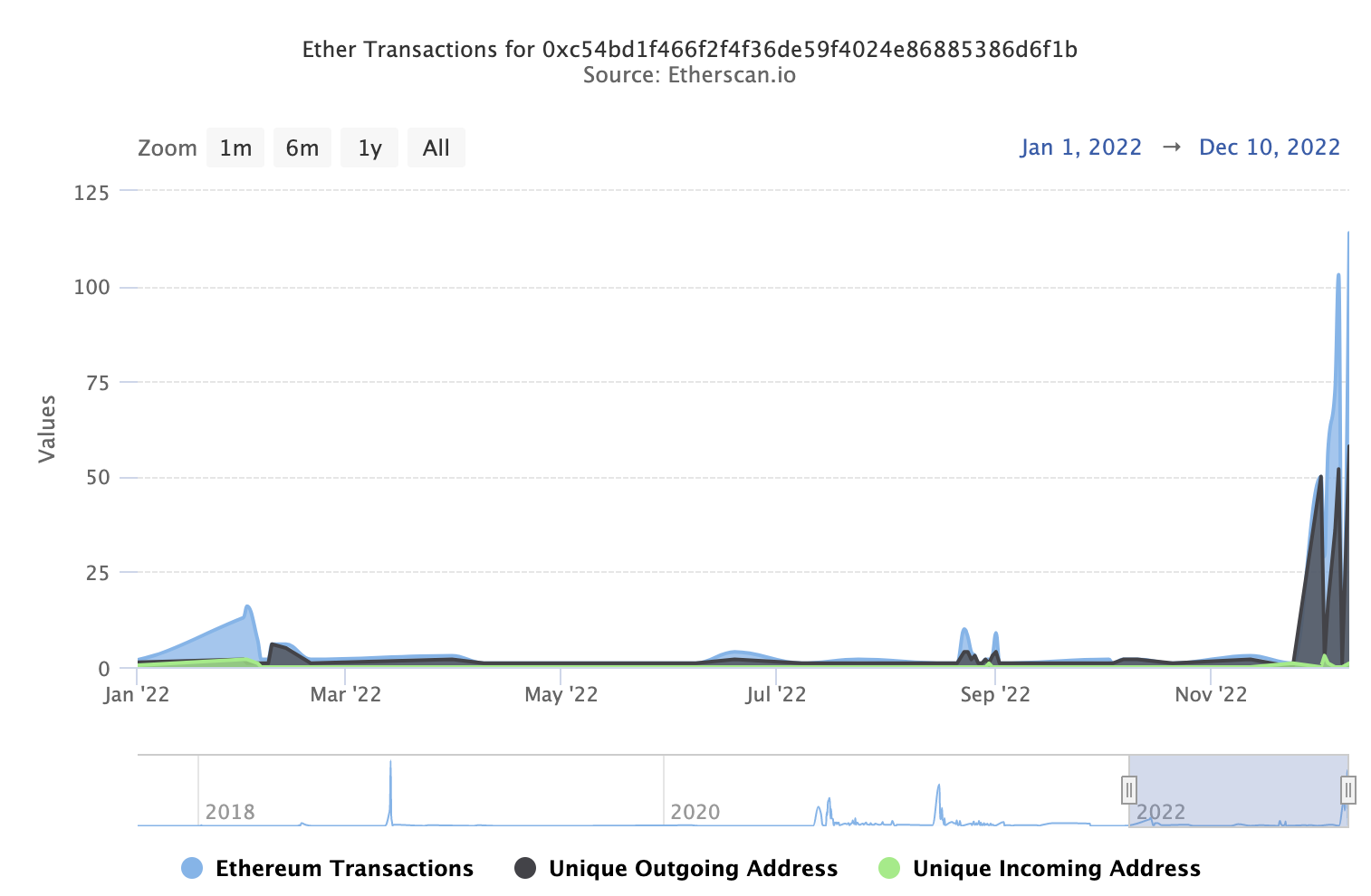
Then the real fun began, as 7,000 LINK token were each sent to more than 150 unique wallet addresses, which is shown with the spike in blockchain transactions in 0xC54's Ethereum wallet on Etherscan, as shown below.
Then once Chainlink opened up its general-access period for staking the 8th of December each of the 150-plus wallet addresses staked their full allotments of 7,000 LINK tokens into the program. The biggest reason why? Extra incentive by getting higher rewards through the LINK program compared to AAVE. On AAVE protocol, currently the reward is an annual yield of 0.27% on supplied LINK tokens compared to the 4.75% on this LINK program. It always comes down to the basic percentage a staker can earn. Always!
Have a great day.
Peace. CryptoGod-1.
Referral links:
Publish0x - https://www.publish0x.com/?a=olejZqrzej
Splinterlands - https://splinterlands.com?ref=rnabc1
Upland - r.upland.me/NQAH
Binance - https://accounts.binance.com/en/register?ref=143611368
NFT Market Sales
Opensea - https://opensea.io/RNabc
Follow Me :)
Twitter - @RNabc123






