Scalability Trilemma
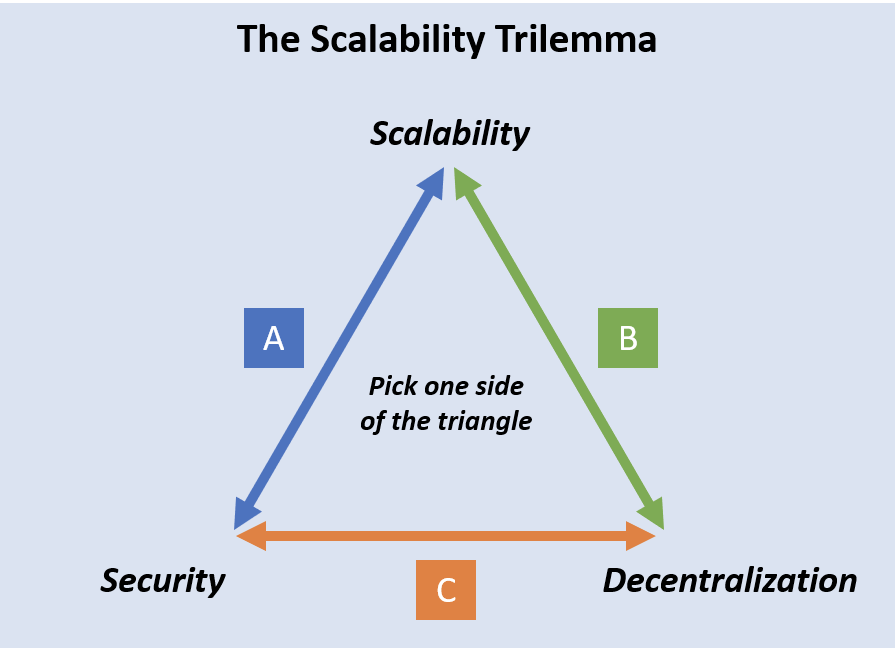
The scalability trilemma is a well-known issue among all blockchains. The idea of the scalability trilemma is that it's impossible to optimize for any two of the three attributes of DLTs without compromising the third. Fantom emphasizes scalability and decentralization, while the network’s security is categorically distinct from that of blockchains such as Bitcoin.
 The scalability trilemma. Credits: Vitalik Buterin
The goal is to increase the number of transactions (scalability) while retaining sufficient decentralization. Most L1 chains chasing scalability typically sacrifice decentralization. They design their network to be run/secured with high-powered, expensive nodes, which reduces the number of people that may participate in network consensus by pricing them out. Obviously, a network that can only be verified if you have X amount of dollars in computing budget isn’t an ideal, permissionless system.
Another trade-off often considered is for the network to use fewer nodes to achieve consensus in less time. However, this makes the chain more vulnerable and centralized. It's easier to corrupt or destroy ten nodes rather than 10,000 all over the globe.
Although often discussed, blockchain scalability doesn’t just pertain to transactions per second (TPS). Many L1s, such as Binance Smart Chain (BSC), currently boast high TPS numbers but suffer from “chain bloat” and ever-increasing hardware requirements just to keep the chain running.
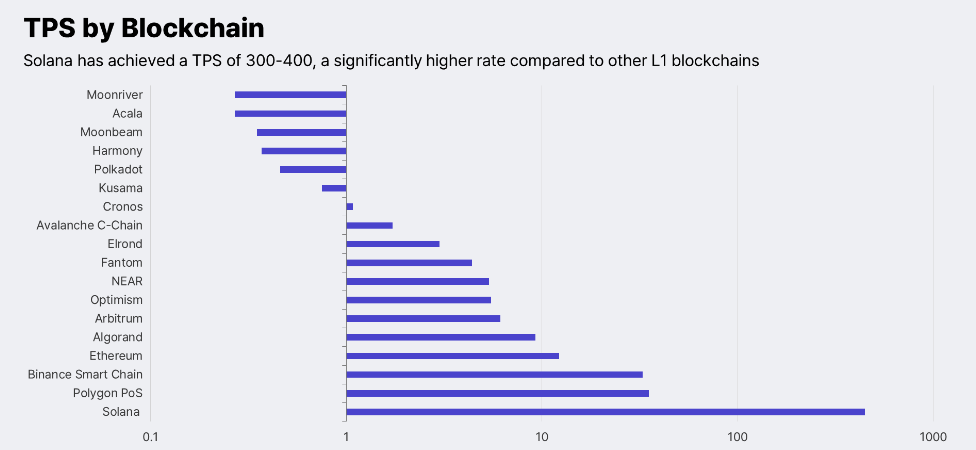 Source: Xangle
L1s must be able to process more transactions without creating more problems down the road. A node in a technically sustainable blockchain has to do three things:
- Keep up with the tip of the chain (most recent block) while syncing with other nodes
- Be able to sync from genesis in a reasonable time (days as opposed to weeks)
- Avoid state bloat
 Lachesis, Asynchronous Byzantine Fault Tolerance (aBFT) and Directed Acyclic Graphs (DAGs). Source
Sonic
The Fantom network's recent development, known as Fantom Sonic, represents a pivotal advancement in blockchain technology. This upgrade introduces a set of innovations aimed at significantly enhancing the transaction processing capabilities and operational efficiency of Fantom's base layer. With the promise of transforming Fantom into a blockchain platform capable of supporting projects with high throughput requirements, Fantom Sonic is poised to redefine the performance benchmarks in the blockchain domain.
Fantom Sonic achieves a remarkable increase in transaction speed, potentially surpassing 2,000 transactions per second (TPS), according to data from their testnet evaluations. This leap in performance is attributed to architectural enhancements designed to optimize the execution of operations and reduce resource consumption. By addressing and mitigating the bottlenecks and latency issues traditionally associated with the Ethereum Virtual Machine (EVM), Fantom Sonic offers a streamlined and efficient transaction process. These improvements are particularly relevant for blockchain Layer 1 solutions like Fantom, which have historically encountered challenges in scaling and maintaining high performance.
The key components of the Fantom Sonic upgrade include the introduction of the Fantom Virtual Machine (FVM), a new database storage solution named Carmen, and enhancements to the transaction pool. These innovations collectively facilitate the scaling of network efficiency without resorting to more complex and often cumbersome technological approaches such as sharding or layering. By maintaining a single-layer, shard-free architecture, Fantom Sonic simplifies the network's structure, reducing potential points of failure and overall complexity.
The implications of the Fantom Sonic upgrade for the Fantom ecosystem are profound, particularly in the realms of decentralized finance (DeFi), blockchain gaming, and other high-frequency applications. The enhanced throughput and operational efficiency unlock new possibilities for applications requiring robust security, low latency, and high transaction volumes.
In the DeFi space, Fantom Sonic's improved transaction speeds enable platforms to facilitate complex financial transactions and smart contract executions with greater fluidity and speed than previously possible on the Fantom network. This technological leap forward creates opportunities for the development of innovative trading platforms, lending markets, and prediction markets that can operate in real-time.
For the blockchain gaming sector, which demands rapid transaction processing and the capacity to manage numerous microtransactions, Fantom Sonic presents a more suitable foundation. The upgrade has the potential to foster richer, more interactive gaming experiences by addressing the unique needs of blockchain-based games.
Additionally, Fantom Sonic's capabilities extend to the realm of microtransactions and the Internet of Things (IoT). From enabling pay-per-use models for content consumption and digital goods to facilitating the secure and efficient exchange of data among a vast array of devices, Fantom Sonic stands to revolutionize various sectors by providing the necessary infrastructure for high-throughput, low-latency applications.