
A few hours ago we saw bitcoin revisit the 56K level, something it hadn't done since the end of March which in Bitcoinland feels like an eternity ago. What happened? And more importantly what does it have to do with Facebook?
Business Insider reports that more than 533 million Facebook users were affected by this data breach which includes phone numbers, Facebook IDs, full names, locations, birth dates, bios and even email addresses. According to Business Insider, who verified several of the records, the said information reemerged online for free on Saturday on a hacking forum, making it widely accessible to anyone with rudimentary programming skills. This leaves many Facebook users who were compromised by the data breach vulnerable to a sim swap attack. Without going into too much detail, SIM swapping is as a form of account takeover fraud using information about an individual that is gathered over the web. The hackers will then proceed to "take over" the victim's cellular network and mobile number allowing them to receive the victim's calls and text messages.
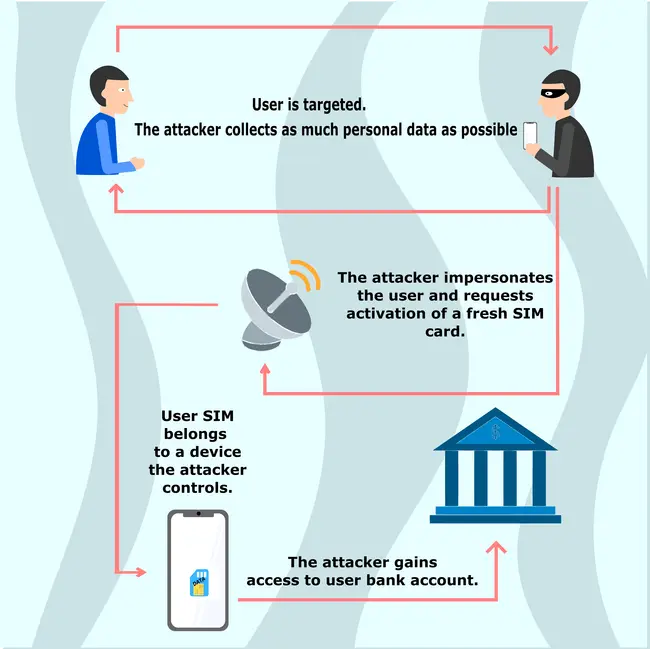
For many of us our financial information is stored in our phones. Modern day technology allows us to easily trade cryptocurrency on our mobile phones with just a few clicks. But at the same time it leaves us vulnerable to such attacks. When scammers get access to our phone and personal information, it's easy for them to liquidate the victim's account and quickly transfer it into their own. Could this have been the case with the latest Facebook data breach? George, from CryptosRUs on YouTube thinks so. After analyzing the outflows of bitcoin miners from CryptoQuant and seeing nothing unusual he suspects that hackers were successful at cracking people's accounts and selling off their crypto. This may explain the sudden drop in Bitcoin's price.
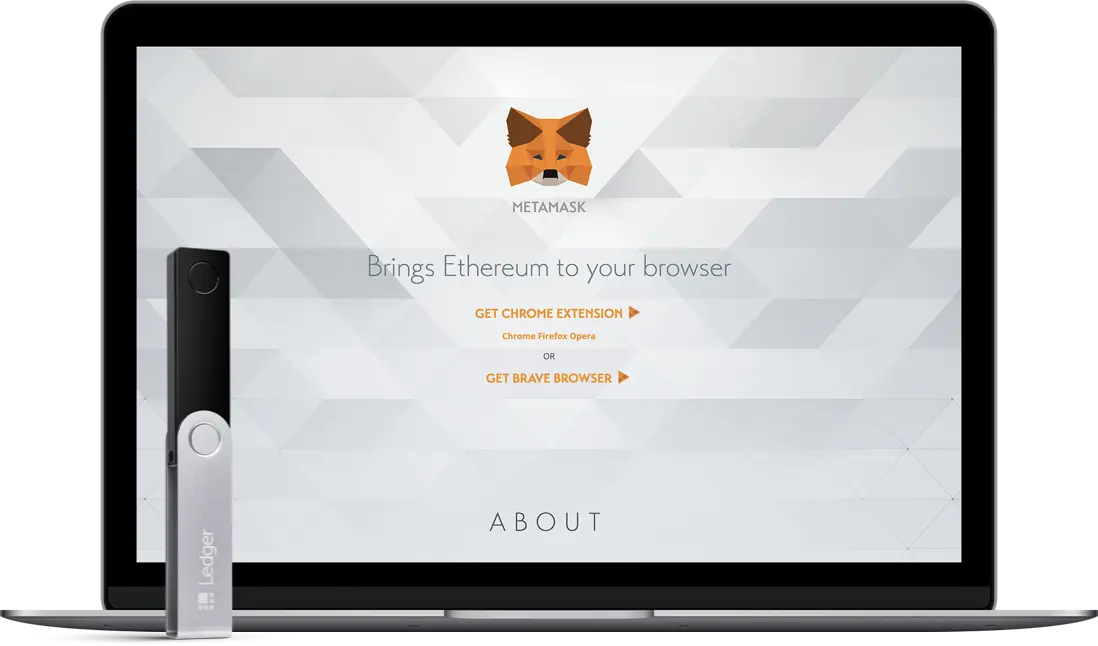
Knowing this, what can we do to protect ourselves in the future? One method is to make sure you have 2 Factor Authentication turned on. It's not foolproof, but it makes the hacker's lives a little harder. In line with this, make sure to have a separate email address specifically for financial and banking transactions. This email address should be kept secret and used only when signing up for and receiving alerts regarding financial or other sensitive information. This way by segregating our information even if a hacker may have access to our social media email address, they will not be able to access our private email (unless you make this information public). For our crypto trading accounts turn on two factor authentication, have a few separate digital wallets or even better move a large part of your holding into cold storage. Ledger wallets can also connect to your metamask in order to provide an extra layer of security in which you have to enter your pin before signing a transaction. A little price to pay for peace of mind.
Last but not least, make it a point to review Facebook and other social media platforms for how much personal information is visible to the public. Sometimes it's surprising how much these platforms reveal about us and our social interactions. Limiting information that Facebook shares through it's ad platform, cutting off third party applications (use a browser like Brave which has built in anti spyware), and using a VPN to mask your location will all help in keeping your private information safe.






