The term Decentralized Finance, or DeFi for short, describes financial systems operating without requiring centralized, mainstream middlemen. Decentralized finance -- commonly called DeFi -- refers to a move away from traditional, centralized financial systems toward peer-to-peer finance, enabled by decentralized technologies built on top of Ethereums blockchain. The term DeFi is shorthand for financial systems enabled by decentralized blockchain technologies. Decentralized finance, also known as DeFi, uses cryptocurrency and blockchain technology to handle financial transactions. [Sources: 0, 4, 5, 6]

DeFi - short for Decentralized Finance - is a new vision for banking and financial services, which is built around peer-to-peer payments via blockchain technology. Decentralized finance (DeFi) refers to a collection of recently emerging financial products and services operating on decentralized platforms using blockchains for data recording and sharing. DeFi is a contraction of the phrase decentralized finance, which typically refers to financial smart contracts and digital assets, protocols, and decentralized applications (DApps), most of which are built on top of Ethereum. Decentralized finance (commonly called DeFi) is a blockchain-based form of finance which does not rely on a central financial intermediary, such as a broker, exchange, or bank, to offer conventional financial instruments, but rather uses smart contracts on blockchains, most widely used being Ethereum. [Sources: 1, 2, 8, 9]

Decentralized finance technology is also able to offer a variety of other blockchain-based solutions to financial services. Regardless of what you are trying to achieve, using the DeFi platform instead of doing business with legacy financial institutions may offer a few benefits. [Sources: 4]
With its suite of general-purpose software protocols, and a public blockchain on which they are built, DeFi puts technology front and center in the transactional landscape in financial services. DeFi revolves around applications known as DApps (decentralized applications) that execute financial functions on digital ledgers called blockchains, a technology that was pioneered by Bitcoin, but has since gained wider adoption. [Sources: 7, 8]

Decentralized finance seeks to democratize finance by replacing centralized, outdated institutions with peer-to-peer relationships that can enable the full range of financial services, from day-to-day banking, lending, and mortgages, to complex contract relationships and asset exchanges. The aim of DeFi is to deliver many financial services customers and businesses enjoy now--loans, interest on deposits, payments--but do so using decentralized technology. The rapidly growing Decentralized Finance (DeFi) system -- a collection of finance applications built on top of blockchain technology -- holds promise for a new financial architecture that could remove the need for traditional middlemen (such as banks, brokers, and exchanges) and cut the rents (excess profits) from the financial industry. [Sources: 1, 3, 5]
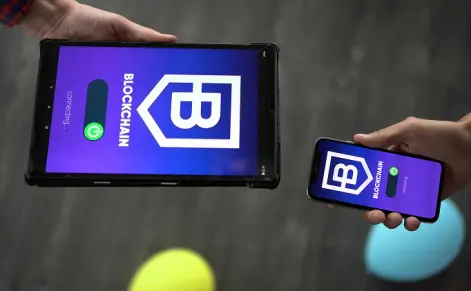
While our traditional financial systems operate on centralized infrastructures run by central authorities, institutions, and middlemen, decentralized finance is powered by code running on a decentralized Ethereum Blockchain infrastructure. At its simplest, decentralized finance is the concept that financial products are made available in the open, decentralized network of the blockchain, making it accessible for anyone to use, instead of going through middlemen such as banks or brokerages. Perhaps the best-known application for decentralized finance is in online transactions via cryptocurrency, DeFi, but decentralized finance allows us to manage many financial applications -- such as investing, insurance, trading, lending, and lending -- more efficiently and transparently. [Sources: 0, 6, 7]
OTHER ARTICLES:
-
Traders and holders, some things we should know
-
Cryptocurrencies: brief summary for new investors
-
Cryptocurrencies: The Dark Side
-
Is Bitcoin A Ponzi Scheme?
-
Bitcoin As A Store Of Value
-
Inflation: Understanding The Terms
SOCIAL MEDIA LINK:
SOURCES:
[0]: https://consensys.net/blockchain-use-cases/decentralized-finance/
[1]: https://www.bankrate.com/investing/what-is-decentralized-finance-defi-crypto/
[2]: https://www.federalreserve.gov/econres/feds/decentralized-finance-defi-transformative-potential-and-associated-risks.htm
[3]: https://www.brookings.edu/bpea-articles/cryptocurrencies-and-decentralized-finance-defi/
[4]: https://www.fool.com/investing/stock-market/market-sectors/financials/blockchain-stocks/decentralized-finance/
[5]: https://www.forbes.com/advisor/investing/cryptocurrency/defi-decentralized-finance/
[6]: https://gocardless.com/en-us/guides/posts/what-is-decentralized-finance/
[7]: https://www.investopedia.com/decentralized-finance-defi-5113835
[8]: https://en.wikipedia.org/wiki/Decentralized_finance
[9]: https://defipulse.com/






