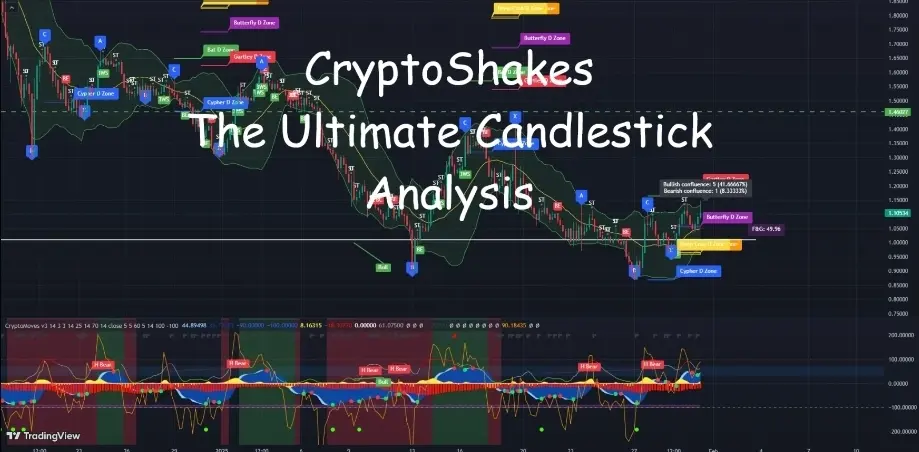
Jupiter (JUP), a decentralized exchange (DEX) aggregator built on the Solana blockchain, is making headlines in the crypto world with its innovative approach to tokenomics. The project recently announced a bold initiative to allocate 50% of its protocol fees toward repurchasing and locking JUP tokens for three years. This strategy, which replaces their previous token burn model, is designed to control the token’s circulating supply and enhance its long-term value. By locking the repurchased tokens instead of burning them, Jupiter aims to create scarcity while maintaining flexibility for future use, signaling a commitment to sustainable growth rather than short-term market gains.
The buyback program works by using half of Jupiter’s revenue, generated through trading fees and perpetual contracts on its platform, to purchase JUP tokens from the open market. These tokens are then locked for three years, effectively removing them from circulation during that time. In 2024 alone, Jupiter recorded $102 million in revenue, largely driven by its perpetual contracts, and this robust income stream will now fuel the buyback initiative. To ensure transparency and build trust within its community, Jupiter is launching a real-time dashboard that will allow users to track the buybacks and monitor the number of locked tokens. This level of accountability not only strengthens investor confidence but also aligns with Jupiter’s broader vision of fostering long-term value for its token holders.
The decision to lock tokens instead of burning them reflects a strategic shift in how Jupiter approaches supply control. While burning tokens permanently removes them from circulation, often resulting in short-term price spikes, locking tokens achieves similar scarcity while preserving flexibility for future needs. After three years, these locked tokens could potentially be reintroduced into the market if necessary for liquidity or development purposes. This approach mirrors traditional financial strategies like stock buybacks, where reducing supply rewards shareholders and increases value over time.
Jupiter’s buyback program is part of a larger effort to solidify its position as a leader in Solana’s DeFi ecosystem. With over $2.6 billion in total value locked (TVL) and nearly one million on-chain holders, Jupiter has become a key player in facilitating efficient token swaps and aggregating liquidity across Solana. The new buyback initiative builds on earlier successes, such as a massive token burn earlier this year that drove JUP’s market value up by 60%. Now, with this structured lockup mechanism in place, Jupiter is doubling down on its commitment to sustainable growth and long-term value creation.
The benefits of this program are clear. By reducing the circulating supply of JUP tokens through regular buybacks and lockups, the platform creates scarcity that could drive up demand and price over time. This scarcity also incentivizes long-term holding among investors, who may see the locked tokens as a sign of stability and trustworthiness. Moreover, aligning this strategy with Jupiter’s growing revenue streams ensures that the program remains sustainable even as the platform scales within Solana’s expanding Web3 ecosystem.
However, like any ambitious initiative, the buyback program comes with potential risks. Crypto markets are notoriously volatile, meaning external factors could impact JUP’s price regardless of reduced supply. Further, when the locked tokens are eventually reintroduced into circulation after three years, there is a possibility of downward pressure on prices if not carefully managed. The success of this program also depends heavily on Jupiter’s ability to maintain or grow its revenue streams over time.
Despite these challenges, Jupiter’s 50% fee buyback program represents an exciting step forward in crypto tokenomics. By combining transparency with innovative supply control measures, Jupiter is setting itself apart as a leader in Solana’s DeFi space. The decision to lock repurchased tokens rather than burn them reflects thoughtful planning aimed at balancing short-term market dynamics with long-term sustainability. As digital assets continue to gain traction globally, projects like Jupiter are demonstrating how creative tokenomics can drive both community engagement and lasting success. With its bold vision and commitment to transparency, Jupiter is well-positioned to thrive in an increasingly competitive crypto landscape while offering compelling value to JUP holders.
JOIN FOR TOKEN ANALYSIS AND TRADING ADVICE