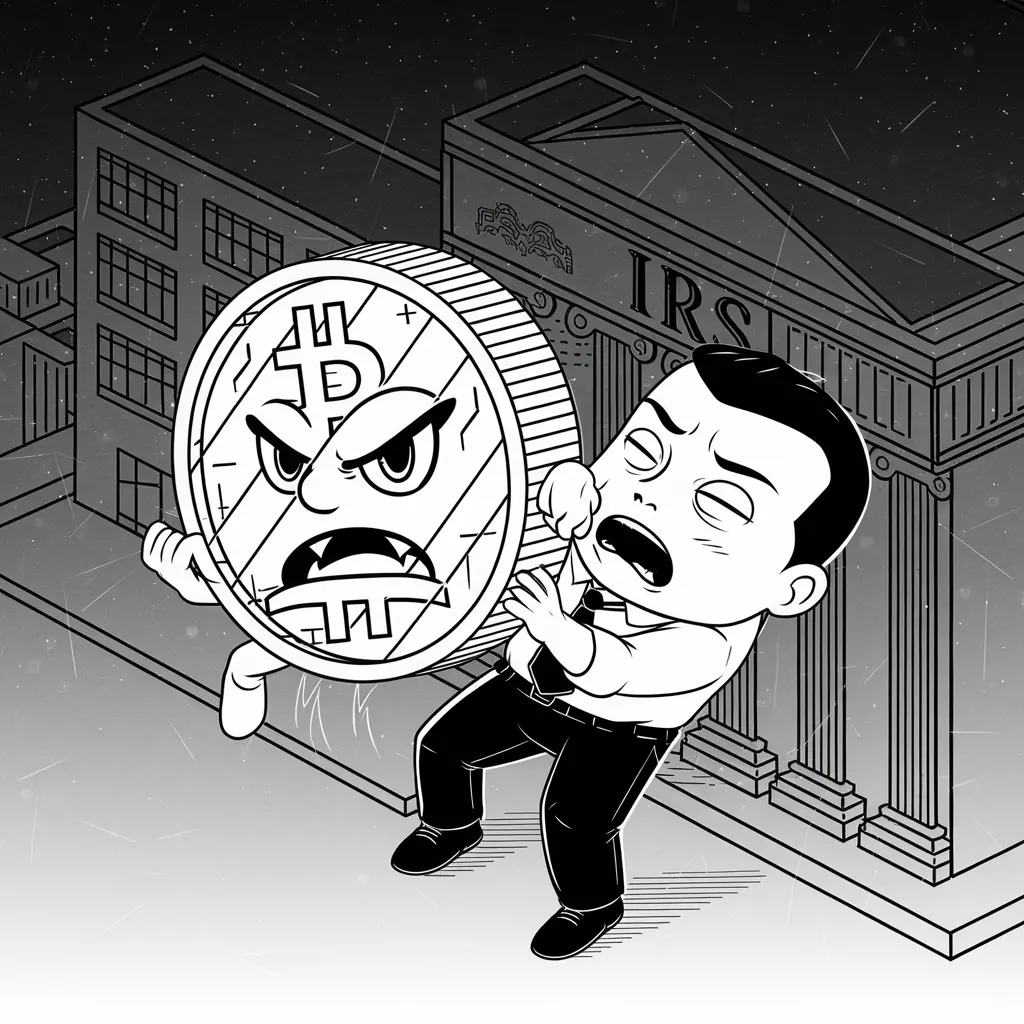
In a stunning turn of events, the U.S. Senate, with an unexpected assist from the White House, has quashed a controversial IRS crypto reporting rule that had the potential to send decentralized finance (DeFi) innovators running for cover. This decision isn’t just a policy win, it’s a signal that the crypto world is finally making its voice heard in Washington. But what does this mean for the future of blockchain, innovation, and the looming regulatory storm?
The proposed IRS rule aimed to tighten reporting requirements on cryptocurrency transactions, which critics argued would unfairly burden DeFi platforms, miners, and wallet providers. The crypto community rallied against the proposal, calling it a "regulation by force" approach that failed to understand the decentralized nature of blockchain technology.
This rejection, backed by both the Senate and the White House, is a watershed moment for the crypto industry. It demonstrates that policymakers are beginning to grasp the nuances of decentralized systems, rather than lumping them in with traditional financial institutions. It also highlights the growing influence of crypto advocates in shaping legislation that balances regulatory oversight with innovation.
For DeFi enthusiasts, this decision is more than just a political victory, it’s proof that decentralized systems are too big to ignore. Platforms like Uniswap and Aave, which operate without centralized intermediaries, can breathe a little easier knowing they won’t be burdened by rules designed for centralized entities. Meanwhile, this ruling could pave the way for further discussions on how governments can regulate crypto without stifling its potential.
The broader implications are just as exciting. With the IRS rule off the table for now, DeFi could see increased participation from developers and users who might have been deterred by the specter of heavy-handed oversight. It also hints at a future where blockchain technology could play a bigger role in creating transparent, fair, and efficient financial systems that operate outside the bounds of traditional banking.
But let’s not get too comfortable. The crypto space is still under scrutiny, and this victory doesn’t mean the battle is over. Lawmakers will likely revisit crypto regulations in the near future, but this time, the industry has shown it’s ready to fight back, and win.
The Senate’s decision to strike down the IRS crypto rule marks a milestone in the ongoing tug-of-war between innovation and regulation. As DeFi continues to grow, this victory could inspire even more creativity and adoption in the space. But the crypto world must remain vigilant, after all, the road to mainstream acceptance is paved with regulatory hurdles. For now, though, the DeFi community can celebrate a well-earned win and look ahead to a future where decentralization might just reshape the financial landscape.