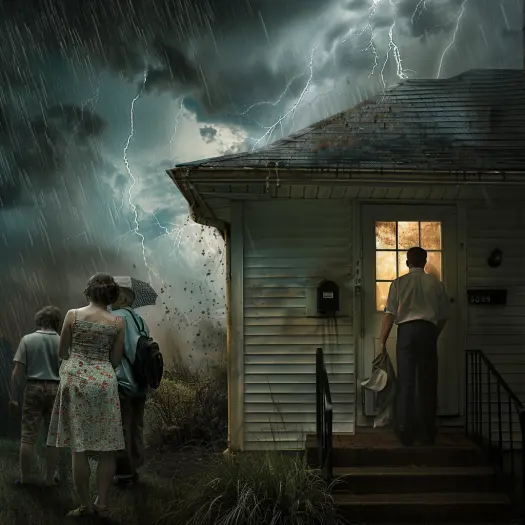
Hoarding has always been a problem where there is scarcity. The few who have take advantage of skyrocketing demand, charging outrageous pricing when demand is high. When it drops, the same characters replenish, restock, and prepare for the next opportunity. This is not a new problem; it's been around for centuries and has defined the fortunes of multi-generational family household, protecting their wealth.
Don't Confuse With Mental Illness
Today, hoarding is often made fun of by televising the suffering of characters lost in the illness of poor mental health, stuffing their homes full of non-sensical things and seeming to be addicted to finding more. When asked why, they can't really give a good answer. It's just because there is an urge to keep finding and holding more of the same. It can be cats, jars, magazines, toilet paper or anything else. However, this isn't the hoarding that creates societal problems during a disaster.
Evil Profiting From Suffering
Probably the greatest justification of why capitalism can turn bad comes with hoarding by merchants when people need help the most. This follows a brutal application of simple economics: little supply and extreme demand. The most simple supplies can become as expensive as gold during these moments. Water, food, and shelter become the difference between those who live in a disaster the first few days following and those who die. From years and years of this social sin causing thousands of needless deaths, laws came into being punitively punishing price-gougers who couldn't justify bleeding victims of their last money when desperate.
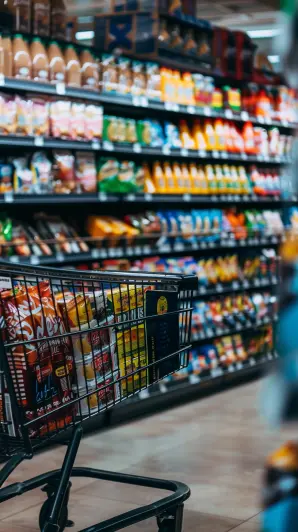
However, despite government's protection, the most vicious of capitalists still find ways to gouge. Interestingly, these are not corporations or the mega-rich. They are opportunists who placed themselves right when communities locally need their help the most. In the old days they went by a number of names, including carpetbaggers, vultures or leeches. Today, they could be a corner store, a bar owner, or a gas station. Whatever the case, the dynamics are the same; they are in a position to help and instead make suffering worse.
So How to Stop this Problem?
Every person before a disaster has the ability to less the damage of hoarders and price-gougers. By simply planning ahead and securing three to five days of necessities, storing them in a safe place, and anticipating how to stay safe, people do a tremendous amount to avoid become another face in a crowd of victims. That means collecting water, food, critical clothing and having a backup plan where to go when your primary home is gone or inaccessible.
However, people confuse resilience with another form of hoarding; packing house or garage full of toilet paper for example. Yes, it is convenient to have basic hygiene supplies when they are hard to find; we all found that out during the COVID pandemic, but even the most prolific users of toilet paper users don't need 50 Costco package of the product.
Plan ahead, protect yourself, and consider how to help others if you can do it when help is needed the most. Shut down the hoarders before they can even gain leverage. Their most powerful strength to make people suffer comes when victims give up fighting to survive. Those have planned and have the means survive don't need hoarders for supplies. And as a result, demand goes down and the profiting opportunity fades. We just need to get people to assume disasters will happen, no matter where we are, and focus on community and our neighbors as much as possible. Otherwise, we all will get washed away; poor and rich are all the same six feet under.