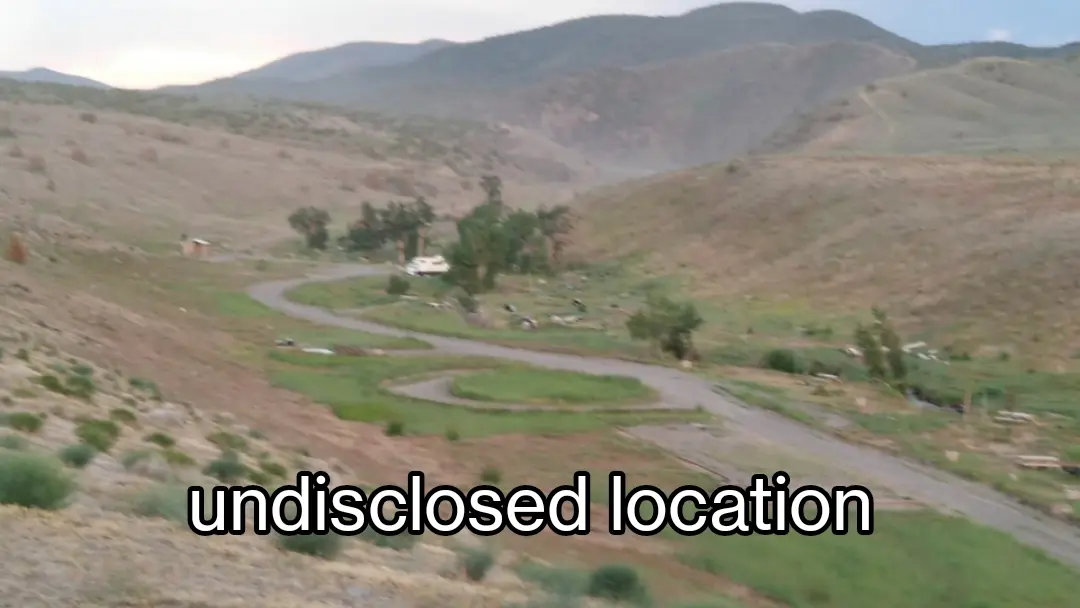
Welcome back to the boondocks, Moonbats! Let's travel to the southwest and visit the Battle Born state of Nevada in search of the fabled free America!
Although Washington is a beautiful state, we now get a chance to dry out with some sunshine. The abundance of sunshine in Nevada is good for both my disposition and my solar power setup.
Washington winters seriously challenged my solar power setup and it was not up to the task of continuing to provide power for more than two hours a day when the temperature dropped below freezing and there was less than 4 hours of sunlight a day for days on end. On the bright side, I can report that my cheap Chinese solar panels from Harbor Freight are able to generate a current even when buried under two inches of snow.
Unlike Washington, Nevada does not require any sort of fee to access and camp on public lands, with the obvious exception of certain campgrounds which require a daily fee.
We are not here to discuss paid camping sites. We're not glamping around. This is rough and ready. This is real punk rock. This is boondocking!
Boondocking (also known as "dry camping", "dispersed camping" or "primitive camping") is camping on public lands with little or no amenities.
This means that in order to get your best experience with boondocking, you have to go in expecting nothing and being pleasantly surprised if you find a pit toilet or a water faucet.
Being that Nevada is a desert state and subject to some extreme weather, both hot and cold, remember to bring plenty of water. You need to stay hydrated.
How much water do you need for camping in the Nevada desert? If you have 3 gallons of water per person for each day that you plan on being out there, that's a good start. You may want to bring more.
That's just a helpful suggestion, let's get to the rules of the boondocking game. There aren't many rules regarding boondocking, but they are important to know.
According to the Forest Service website
Dispersed camping allows you to “get away from it all.” Peace, solitude and adventure are some of the advantages to choosing an undeveloped campsite. Since there are no facilities, you must bring your own water, camp at least 100 feet from all water sources and dig a hole at least six inches deep for disposal of human waste. Remember all Forest rules and regulations apply even in dispersed sites.
According to the BLM website the Forest Service is a racist tool of White Supremacy. Oops! Wrong BLM! Excuse me, according to the website of the Bureau of Land Management:
Nevada's public lands are open to camping. There is no fee for dispersed, primitive camping, but there is a limit to the number of days one may camp in the same location. Dispersed, primitive camping is camping where there are no developed amenities such as water or toilets. Primitive campers are asked to follow the "Leave No Trace" land use ethics. Dispersed camping in a motorhome is allowed, but dumping black or gray water on public lands isn't allowed. Some campground are established that requires a fee to manage it.
A person may not occupy undeveloped public lands or designated sites or areas for more than 14 days within a 28 consecutive day period. Following the 14 days, a person and their personal property must relocate to a site outside of at least a 25 mile radius from the occupied site for a period of 14 days.
Now that you know what the rules are, it's time to abandon civilization and seek out some semblance of freedom and solitude on the somewhat open range.
Where you go will depend on where you begin and where you want to end up.
Being that I am based out of Las Vegas and am regularly required to return here for business, I tend to stick to places in southern Nevada. However, I have traveled all of the interstate highways and many of the state highways in Nevada and have stayed at many different locations included on this list. There are some very nice locations for boondocking in central and northern Nevada.
One of the great things about boondocking is moving with the seasons to enjoy optimal weather conditions for the area. If I had my way, I would like to spend winters in Nevada and/or California and summers in Washington.
That being said, I advise avoiding northern Nevada during the winter unless you are experienced with camping in freezing temperatures and driving in the snow through mountain roads. I speak from experience, it can get extremely dangerous driving an RV through snow in the mountains. On the flip side, if you are not acclimated to desert living, you should avoid desert camping in the summer. Remember to hydrate!
I'm not trying to be funny. The desert can kill you in many ways. Rattlesnakes. Coyotes. Kicked in the head by a burro. Bit by a spider. Stung by a scorpion. Fall from a cliff trying to get the perfect selfie. AND DEHYDRATION!!
REMEMBER TO BRING MORE WATER THAN YOU THINK YOU WILL NEED. NO JOKE. DRINK WATER. NOT SODA. NOT ALCOHOL. WATER. DEHYDRATION IS A KILLER.
WATER! WATER! WATER!
...
Water. It's important.
Moving on.
Personally, if I am strictly limited to southern Nevada, in the winter I like to stay around Lake Mead and in the summer I like to go up to Mt. Charleston. I also enjoy the solitude of the Great Basin and the higher elevations of north eastern Nevada.
Let's begin our exploration with a list of dispersed camping sites in southern Nevada located within a reasonable distance of Las Vegas (in alphabetical order (Google Maps links)):
[Map locations in the links are approximate. Some campgrounds may require a fee but there will often be a free dispersed camping area nearby.]
Pahrump Valley Wilderness Area
Cool beans. Now let's check out the official government lists and see what they have to offer.
FOREST SERVICE DISPERSED CAMPING SITES (Forest Service and/or Google Maps links):
Barley Creek Campground (Google Maps)
Clear Creek Trailhead (Google Maps)
Columbine Campground (Google Maps)
Cow Canyon Trailhead (Google Maps)
Green Monster Canyon Trailhead
North Mosquito Creek Trailhead
Carson Ranger District area description
Wolf Creek Dispersed Campground
High Trail/Carson River Trailhead
Ely Ranger District area description
Berry Creek Dispersed Campground
North Fork Cleve Creek Trailhead
Jarbidge Area area description
Marys River Trailhead (Google Maps)
Pavalak Campground (Google Maps)
Slide Creek Trailhead (Google Maps)
Three Day Creek Trailhead (Google Maps)
Bluster National Forest Campground (Google Maps)
Mountain City Area area description
Camp Draw Trailhead (Google Maps)
Seventysix Creek Trailhead (Google Maps)
Santa Rosa Ranger District area description
MORE FREE DISPERSED CAMPING IN NEVADA:
Hickison Petroglyph Recreation Area
Humboldt-Toiyabe National Forest
Prison Hill Recreation Area and Trailhead
Sacramento Pass BLM Campground
REST AREAS:
These are not boondocking sites, but stops where you can overnight along the way between sites. Be advised that you are not allowed to occupy a rest area for more than 10 hours.
E/B Rest Area near Beowawe, Nevada
Beowawe I-80 Westbound Rest Area
Nevada Historical Marker 164: Button Point
Pequop Summit Rest Area-IR-80 WB
River Mountain Loop Trail - Equestrian Trailhead
River Mountain Loop Trail Rest Area
Truck Parking Area I15 Southbound
Valley Wells Rest Area - Southbound
There you go, Moonbats! That should give you a headstart on your escape from whatever it is that's driving you into the wild frontiers of Nevada.
There are more spots out there for you to discover. These are not your only options for legal boondocking in the state of Nevada. Get out there and discover America!
If I left out your favorite free camping site in Nevada, please, comment so we can add it to the list. Thank you!
Happy trails to all the Moonbats! Good luck and safe travels to all!