With the Nasdaq closed at 4 a.m., the first trading day after the calm period for interest rates rising did not and did continue to drop below the previous two-day low, but losses remained at the bottom of the day. The sharp increase in high and low yields was the second in a row since the rate rise, especially since both were accompanied by a significant increase in purchasing power in the European timezone. It is still difficult to tell whether market sentiment has subsided.
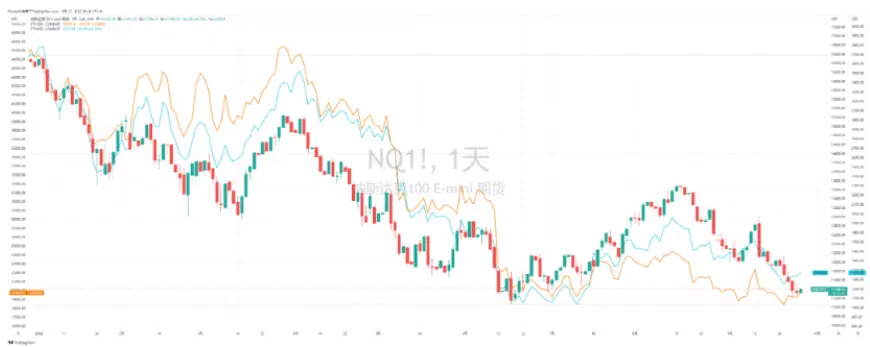
This also means that the BTC and ETH which are highly related to the Nasdaq (technology stocks) may be dragged down by the trend of risk market at any time, especially in the recent period, the BTC and ETH "follow the trend up or not follow the trend down" has also led a lot of small partners to come to the conclusion that they are at the bottom now, and cannot be arbitrarily judged as right or wrong, but still can not make a complete independent market, the greater probability will follow the overall trend of risk market.
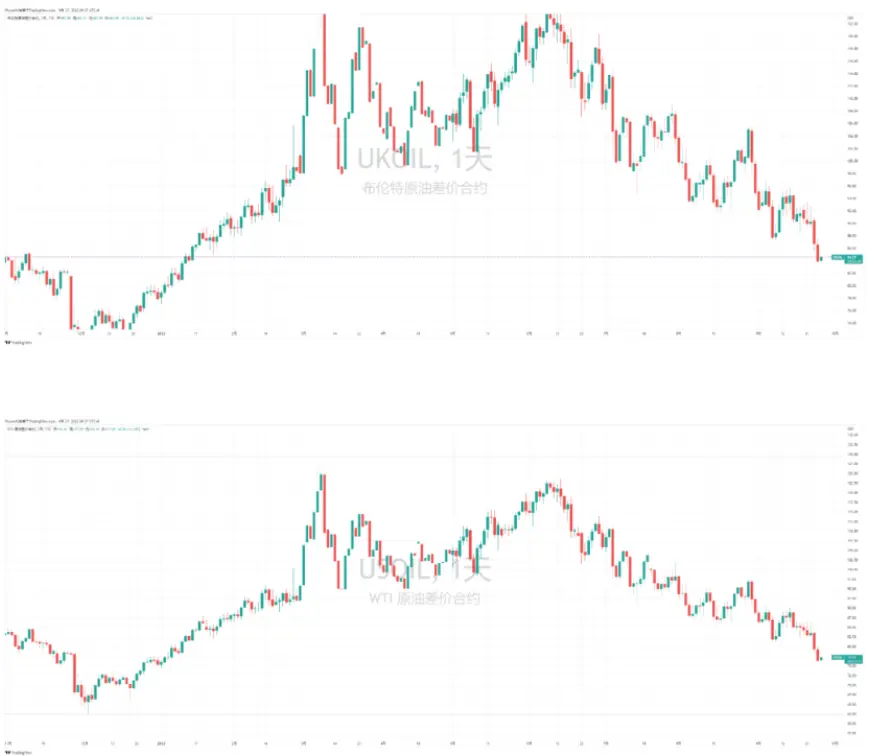
It remains to be seen whether the last four days of sharply lower inflation data are likely to be forthcoming, but it is clear that in anticipation of the recession, oil prices fell considerably, with the WTI at one point falling almost below $76 and Brent below $85, meaning that the average price of oil has fallen by nearly $8 since August.
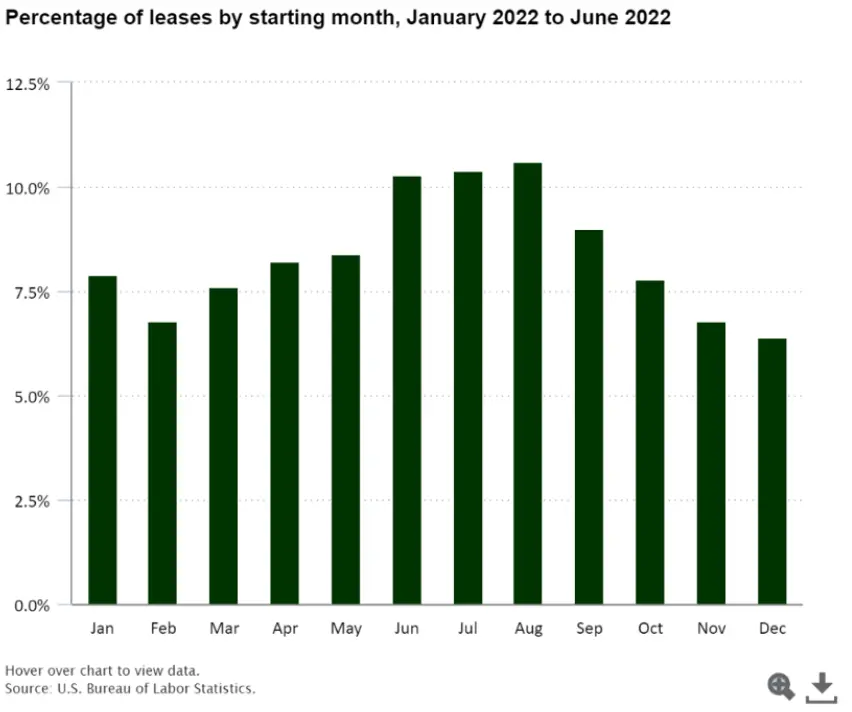
Continuing on this path, the last four days of not having to close at an average price below $10 would have been very helpful for reducing CPI, which is about 0.4% lower on data showing that every $10 reduction in oil prices. Another potentially significant contribution to the CPI is housing data. According to the U.S. Department of Labor statistics, six, seven, eight and three months is the peak for general rent seeking, and it will start declining in September. It also means that overall renters have less need for new renewals, which could lower the CPI from rents. On the other hand, the house price index that will be released tonight looks, from the forecasted data, indeed, there is a possibility that it may continue to fall. House prices in the United States have been on a downward trend since March of this year, but it is still not able to provide a large amount of depreciation for the CPI. In particular, it will take a long time for housing prices to feed through to the rental market.
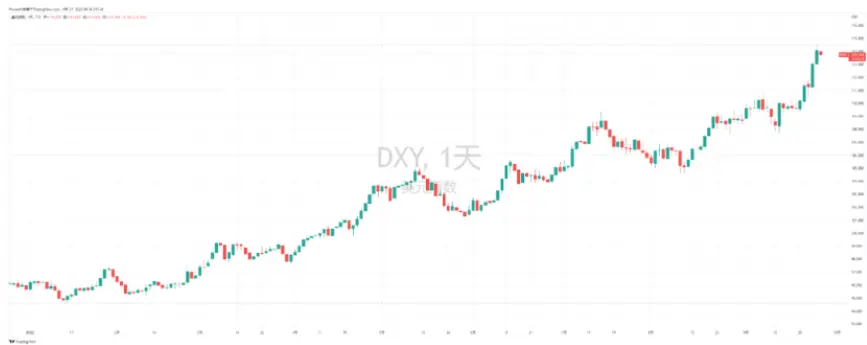
Instead, the dollar index has nothing to worry about. Even if it hits new highs every day, it is simply the expectation that the Fed will continue to raise interest rates. But the recent introduction of the euro and yen, and even sterling, is forcing major economies around the world to raise interest rates. For even the Bank of Japan's move to sell U.S. debt for the yen is a reprieve from even a rising dollar, and could drop below 145 today. With the dollar index rising, U.S. bonds have been selling off a lot. In particular, the September contraction of the U.S. Federal Reserve made the U.S. bond market, which itself is illiquid, even worse. And mid- and long-term U.S. Treasuries, which have hit recent highs, have not been able to attract capital, especially with 20-year yields of more than 4%. It also shows how many people are fleeing losses on Treasuries.
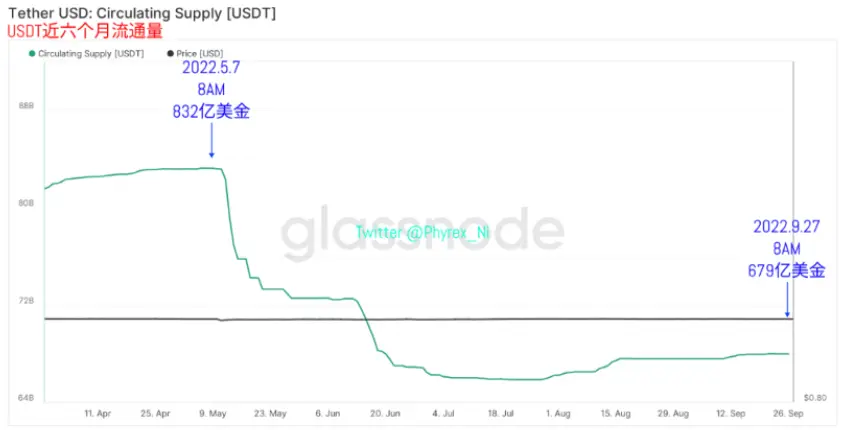
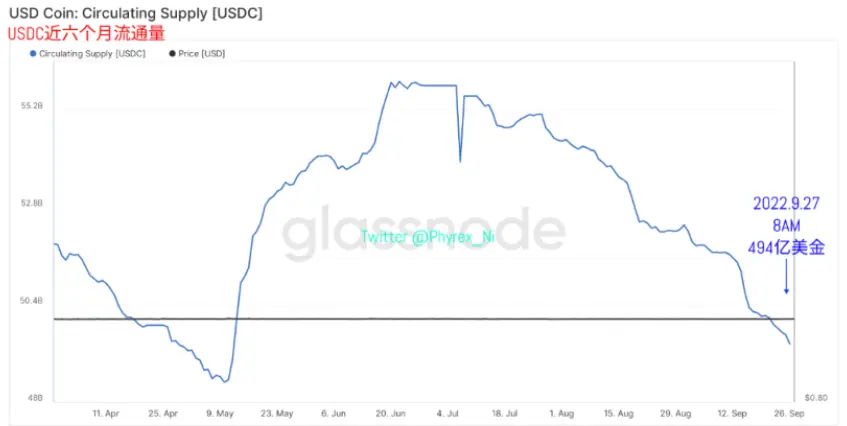
Another problem caused by the rise in the dollar index is the continued outflow of money. As of 8 a.m. this morning, USDT's market value has increased by a small amount of $1 million, which means that more European and Asian investors are staying on the sidelines. Meanwhile, USDC, representing U.S. money, is moving further down the market and is still trying to compete with USDT. The gap is widening.
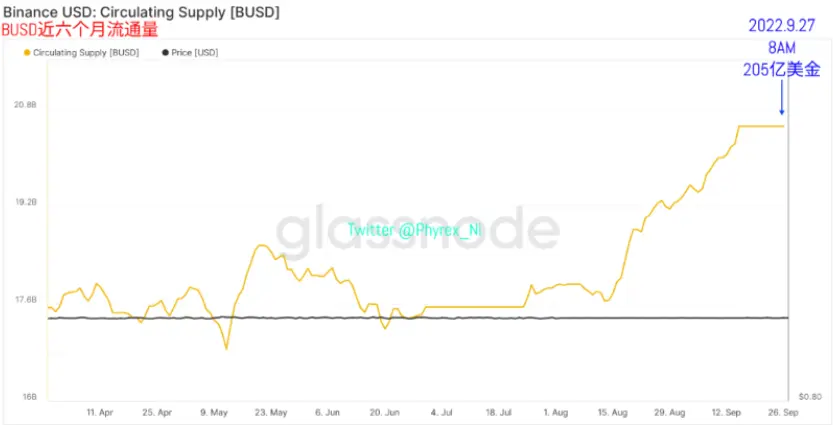
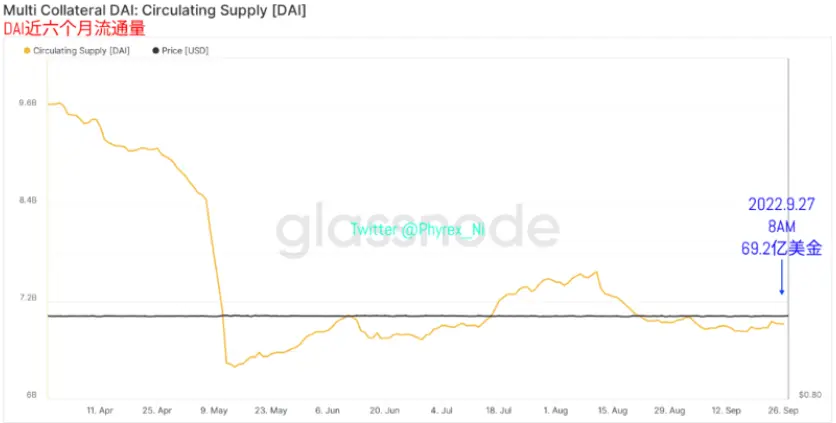
While there has been no sign of a decline in the market value of the upstart BUSD, the trend suggests that even the Binance's fee-free appeal has gradually put a damper on the market, as BTC and ETH prices have recently looked like a straight line. DAI, which is used as a physical lever for ETH, remains modestly floating, but generally stable prices have allowed DAI's market value to rise.
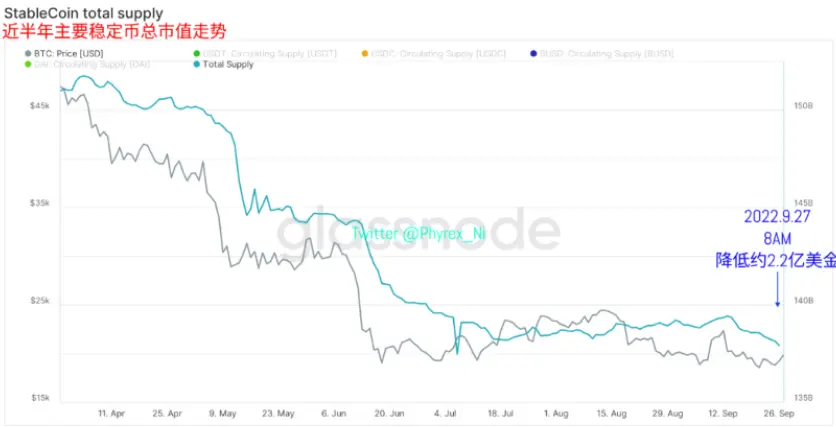
In terms of the value of the major currencies in the US overall, there is no doubt that currencies will not be immune to the massive run-off in US Treasury debt. The decline in the overall market value of the USDC, which is predominantly used by the United States, is particularly significant. Almost every day these days we see $100 million to $200 million in sales. The decline in the stablecoin's market value represents a loss of confidence in the market, but a relative improvement is that the main forces currently buying USDT remain in a fairly robust mood. In terms of the value of the major currencies in the US overall, there is no doubt that currencies will not be immune to the massive run-off in US Treasury debt. The decline in the overall market value of the USDC, which is predominantly used by the United States, is particularly significant. Almost every day these days we see $100 million to $200 million in sales. The decline in the stablecoin's market value represents a loss of confidence in the market, but a relative improvement is that the main forces currently buying USDT remain in a fairly robust mood.
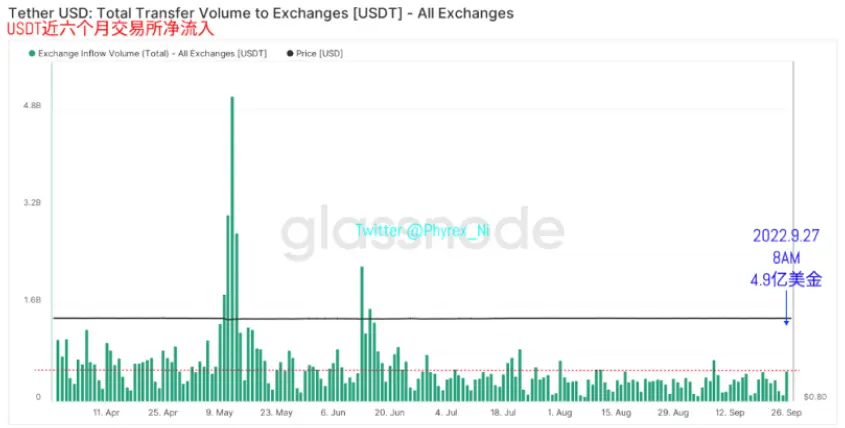
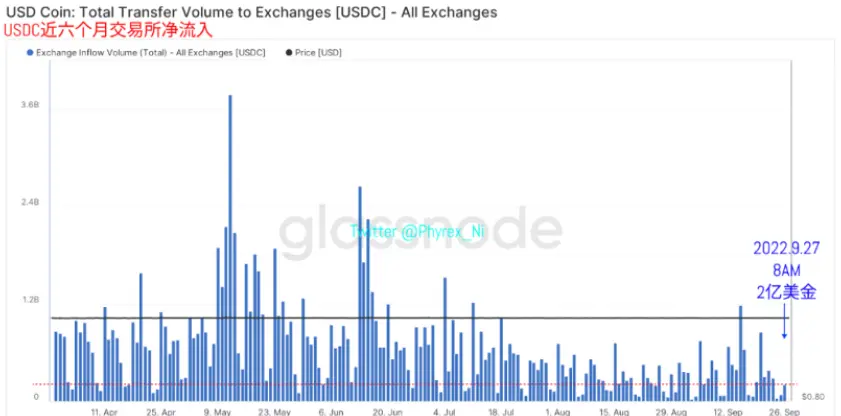
However, the current poor circulation situation not only reflects the flight of capital from the market, even the capital that is not leaving the market is now also keeping a wait-and-see situation. Similarly, judging from the data at 8:00 a.m. this morning, the purchasing power of USDT is still relatively strong, even higher than the highest value in the last two weeks. It seems that investors in Europe and Asia are relatively satisfied with the current price, and the purchasing power of American investors represented by USDC is almost the lowest value in a working day.
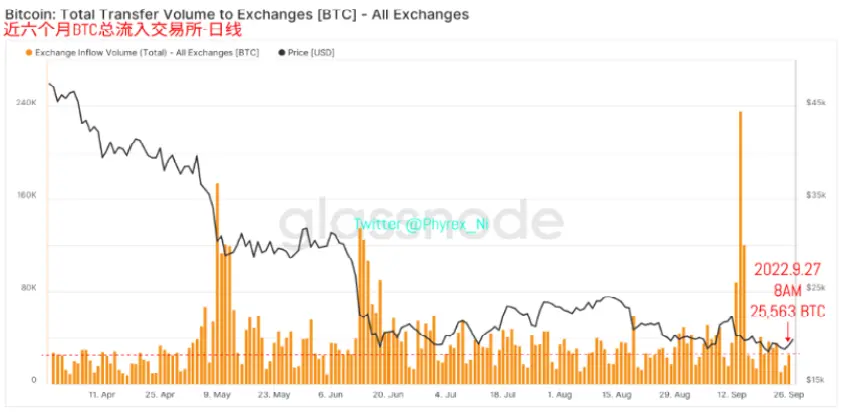
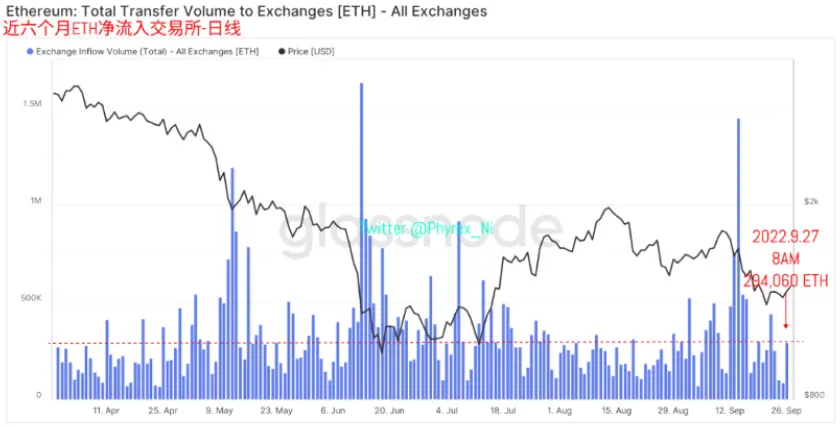
This can be seen from the selling pressure of BTC and ETH that have been transferred to the exchanges. As with the amount of capital, although there has been an upward trend from the end of the week, there is not much sign of selling pressure between BTC and ETH compared with the same period last week. This also shows that the amount of circulation of mainstream assets is falling further. In a sense, this is also the reason why BTC and ETH are not following the trend of rising or falling. After all, there are many fewer sellers.
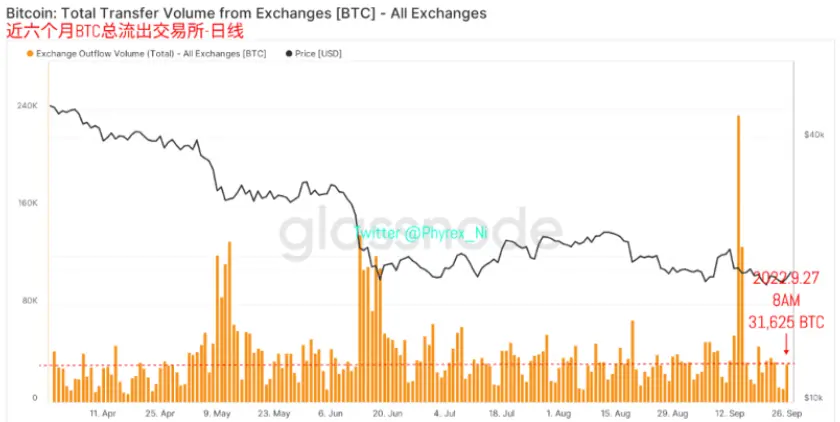
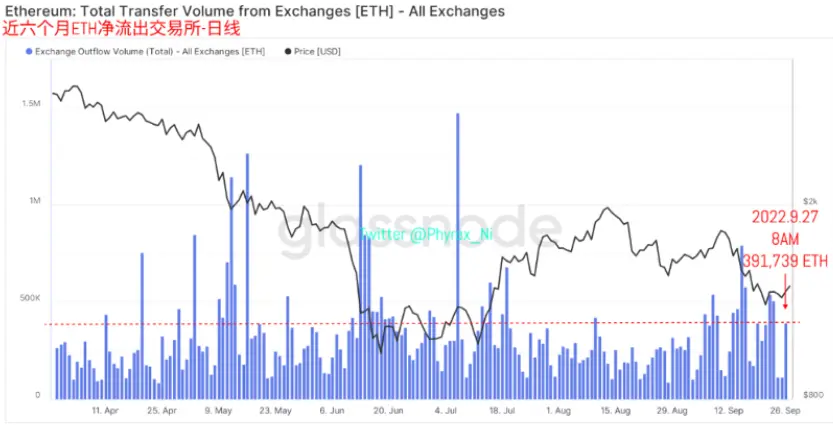
But in contrast to selling pressure, withdrawals from exchanges have tended to rise. Both BTC and ETH have been withdrawing more than selling, and it seems that the relatively tough prices recently have caused quite a few investors to keep buying for the purpose of playing the currency market, which is now in the bottom range. As things stand, however, so long as the Nasdaq stops falling, currency markets will return to volatile trends before the next CPI report.
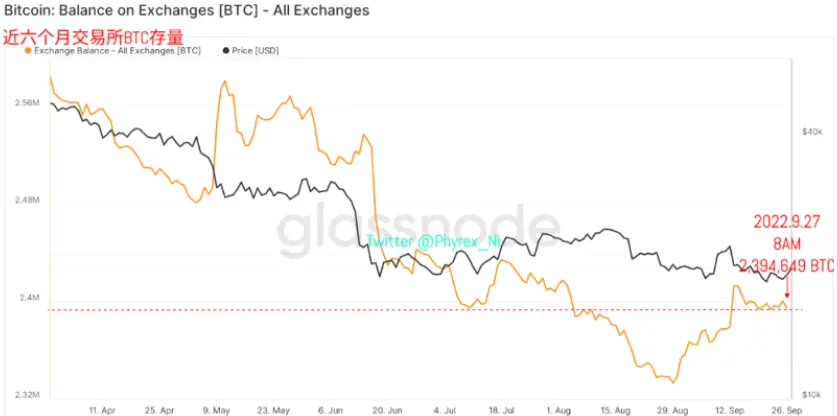
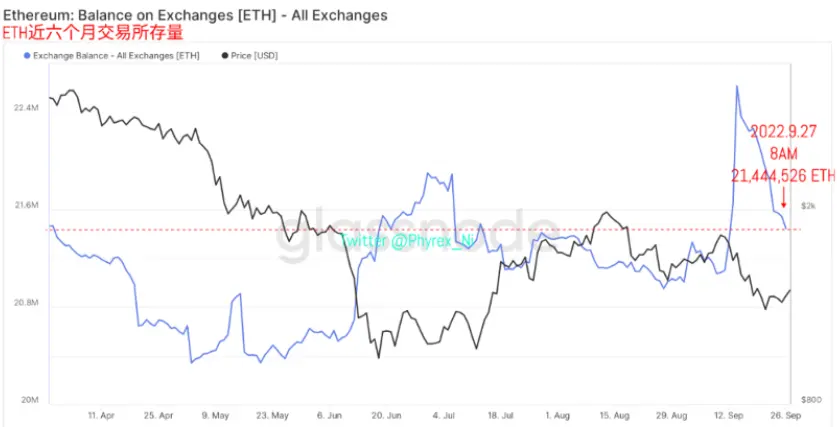
So from the stock exchange data, BTC and ETH which are dominated by cash withdrawal appear the trend of inventory reduction, especially BTC, the stock of the exchange is in a slow rise after interest rate increase. Although the price trend has not had a large impact, the more the stock is, the greater the relative risk is, and the ETH which itself is in the high stock can also reduce the risk of one-time crash through continuous selling. With the decline of BTC liquidity, the inevitable result is that long-term holding continues to increase, and the share of total circulation is also toward the high point, the current gap is not too big, which means that holders holding more than six months of their money have little interest in the current price, but changing hands is mainly the current dispute price, so it will also make it difficult for BTC prices to fall significantly.
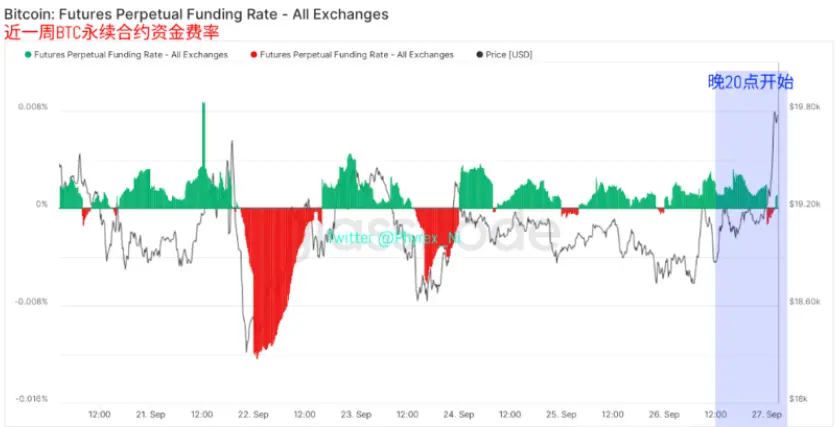
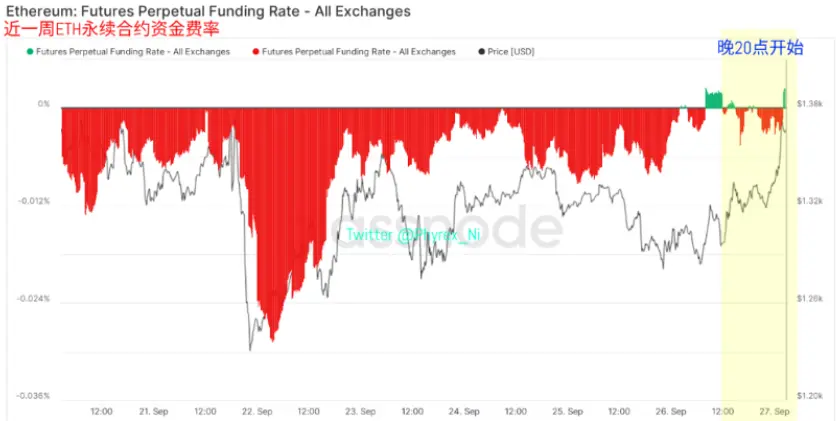
On the emotional side, although the Nasdaq still shows no upward trend, the bearish sentiment on the BTC and ETH is getting weaker and weaker. Perhaps due to the upcoming delivery date, both the BTC and the ETH seem to be moving toward a bullish position. However, based on current price trends, the probability that the BTC will reach its maximum pain point is still too low, and the ETH is closer, but the gap may not be close enough for the next four days.
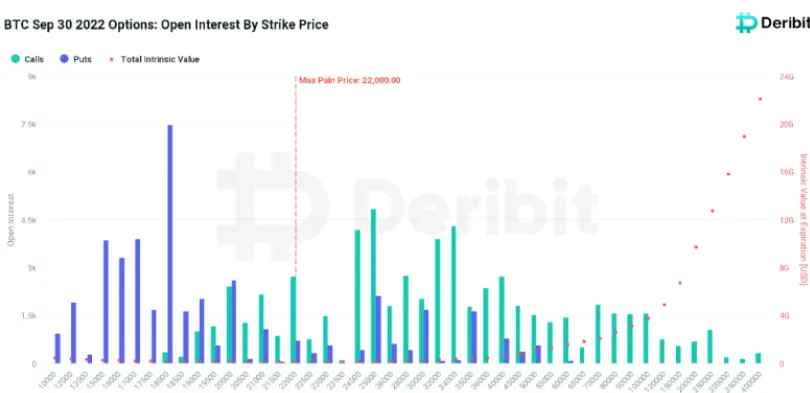
According to current data, the BTC's biggest pain point was $22,000, down $1,000 from the same period last week, but it remains difficult to achieve that price before delivery. The short-to-long ratio rose from 0.56 to 0.68, representing a big increase in bearish investors during the week, although the BTC price did not change much. Outstanding options have also increased by 10,000, bringing the total to 100,000, and expected funding has exceeded $2 billion.
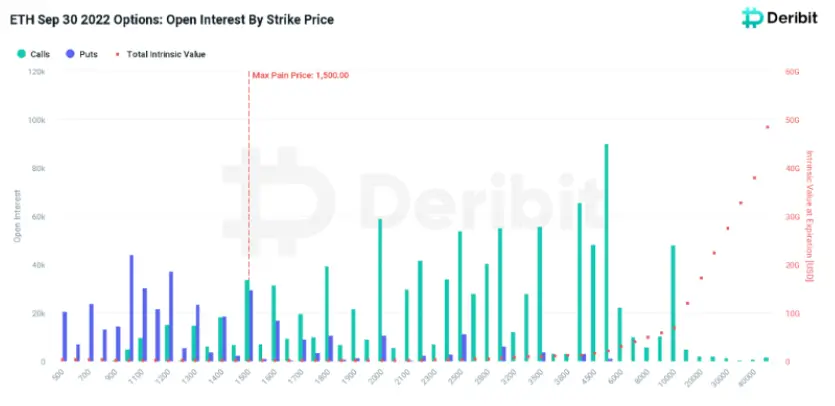
The same ETH's biggest pain point fell, from $1,600 to $1,500 in the same quarter-on-quarter, and while it was closer than the BTC, gaining $200 in four days was not easy. It looks like it's going to be hard for the seller to make the most of it this time. However, compared to BTC, the ETH's empty-to-fill ratio has also increased, but not by much. It has only increased from 0.35 to 0.37. There are not many users who are bearish.
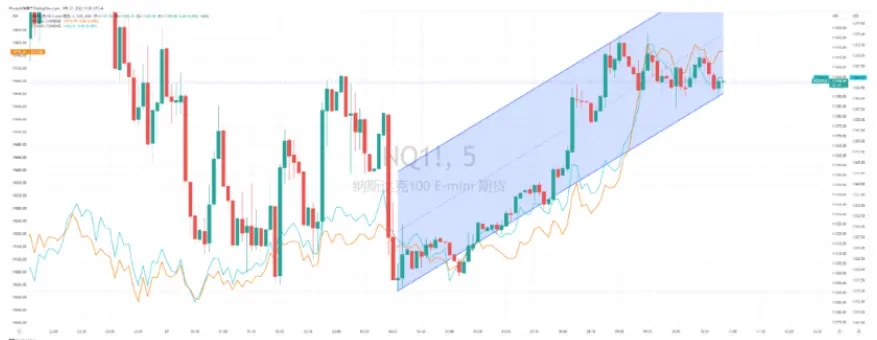
In summary, on the first day of trading of US stocks, even with the centralized output of the Federal Reserve, the Na index still suffered a small decline in the closing session, but after all, it did not continue to break through a new low, and there is also an intention to gradually pick up the trend of Na index futures after the closing session. If it can be maintained, it is likely that investors have already walked out of the shadow of the Federal Reserve's interest rate hike, and the trend of the BTC and the ETH will be even healthier. But in the case of the bottom line, the focus remains on the September CPI data released in October. The Fed does not necessarily have an answer to the current forecast, which implies that a 75 basis-point rate hike would still be significant in early November. But the upside is that the market is already anticipating this.





