September is over. The US PCE figures released on the last day of the month were as bad as expected. The reaction in the risk markets was to drop, then rise. The reasons for the drop are all too clear. After all, the Fed has said that it will pay more attention to PCE figures than to CPI. Not only has the increase, but the increase above expectations, made the Fed more nervous. The US economy has already shown signs of an irrepressible recession.
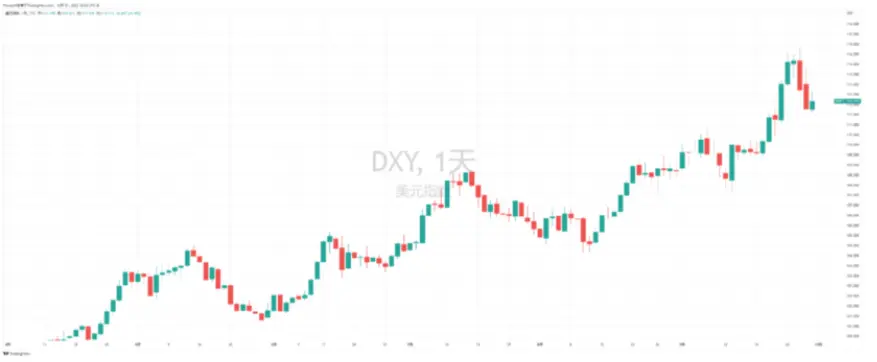
If inflation does not come down, the public will surely question the Fed's decision. In particular, aggressive interest-rate hikes have placed a heavy burden on the Treasury Department, while a rising dollar index has caused great hardship among America's allies, and selling Treasury bonds has become the norm. While the Fed has been saying that rate hikes are lagging behind, and that it will take six to 18 months for them to feed through to the markets, it's been six months since March to September. Consider that the Fed's pledge in June this year to keep inflation below 4% by 2022, when Powell forbade any thought of raising interest rates by 75 basis points four times, or even a 75-basis-point increase, which would have been 50 basis points had the CPI not exploded in June, demonstrated the Fed's weakness and weakness in its inflation estimates, especially at the expense of the economy and employment .
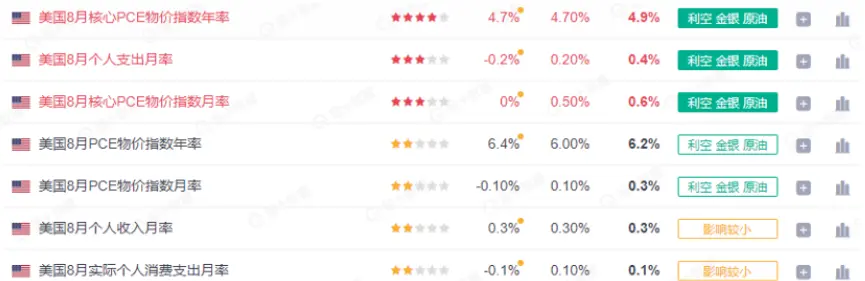
So the PCE data released yesterday will only strengthen the Fed's resolve to fight inflation. After all, the PCE is an out-of-date figure, and the more important Fed still wants to use CPI to communicate to the public that inflation is under control. In fact, the truth is, the Fed may want to cut interest rates more than any of us who are caught up in it. After all, the economy is America's lifeblood, but the Fed has little choice in the face of strong inflation. So a fall is the market's most natural reaction. After all, if the CPI does not respond as expected, it may be more than a 75-basis-point increase in November. And the overall risk market, including a currency-market price rebound, is more likely, including Putin's rhetoric and negotiations in Ukraine, the oil price drop driven by the OPEC+ production increase, and the Chicago PMI falling below the "soft" line, causing economic players to engage in another game of chicken.
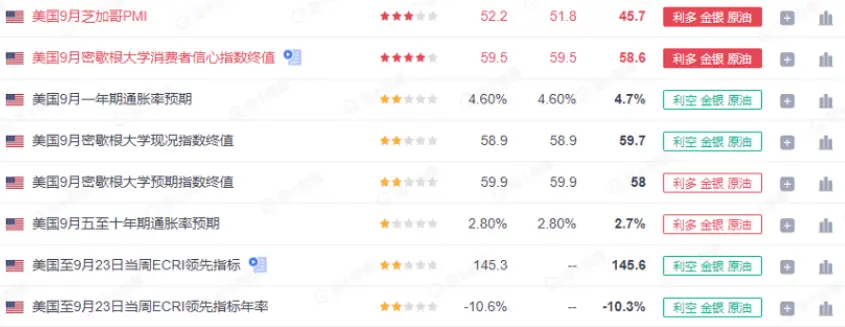
Even the University of Michigan, where the median long-term inflation expectation for the United States has dropped to 2.7%, may actually be a driver of risk-market rally. But in fact, a bucking trend in risk markets is not necessarily a good sign. After all, for the Fed, raising interest rates is the principal means of dampening economic growth. And it is only through dampening the economy that inflation can be brought down without shaking the supply side, which in effect reduces public demand. So far, the Fed has clearly taught us that it must be wrong to go against the Fed, and that the market's rising expectation that the Fed will shoot down investor confidence with a sharp increase in interest rates has led to market disobedience at a time when there has not been a fundamental shift in policy, and indeed, inflation is rising as risk markets rebound. Therefore, for the present stage, it is actually the safest risk market to maintain a low volatility. Until the CPI data released in October, if the CPI data are lower than expected and the core CPI shows a downward trend, then the risk market rebound is only in line with the Fed's expectations. The market is not in opposition to the Fed. It would be prudent to watch for a big rally earlier than the CPI announcement. As September ends, the data we've seen shows that oil did indeed fall, but not by the 10 dollars average that it did in the last two months. There are signs that wages are rising, reflecting higher costs (services). House prices are falling, but that is not feeding through into rents, which are rising. Prices of new and used cars are more likely to fall, thanks to the recovery in chip supply
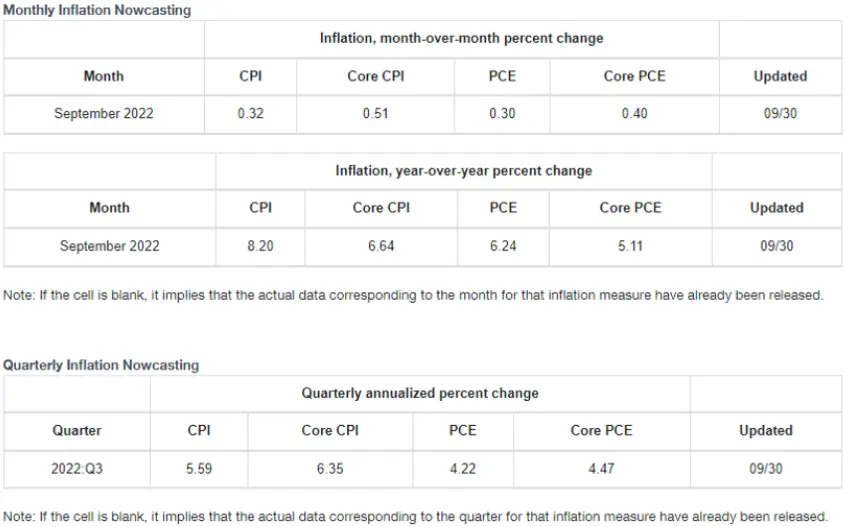
But the price of food has not eased, owing to the effects of both the geopolitics and natural disasters in the United States. The continuous rise in BDI represents a shortage of raw materials, and prices do not necessarily fall. Health-care spending should start to decline, owing to Biden's new anti-wealth and anti-poverty legislation, while clothing and transportation, while affected by the PMI, will remain largely unchanged. So, in general, the September CPI is a game-changer.
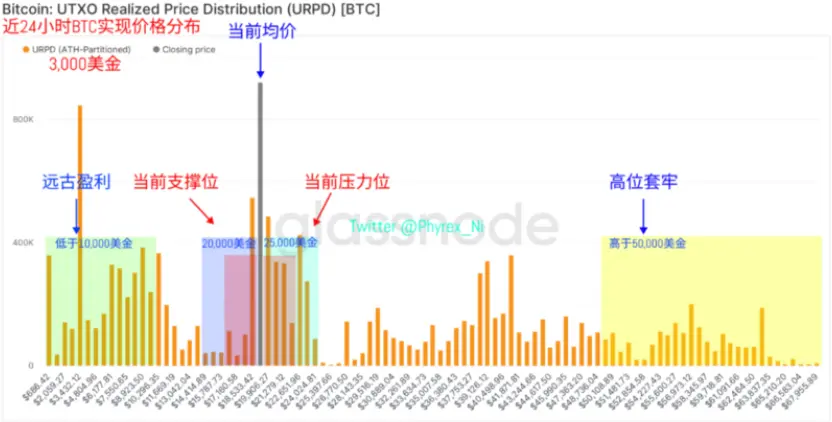
From the perspective of the currency market, recent price stability is partly due to its low size, and large-scale clearing cannot yet take place. On the other hand, the liquidity shortage shows that the dithering chips have left early, and that the change of hands now is almost always a game between BTC and ETH, with short-term holdings. In particular, the outflow of capital has reduced the need for US institutions to intervene in the currency market, and even stronger buying sentiment among Europeans to keep prices stable. Therefore, looking at the current risk market, the first thing that can be expected is the third-quarter financial reports that will be released one after another starting from October. After all, US stocks are supported by business results. As long as the business results are good enough, it will inevitably lead to relatively large purchases, especially now it is really at the bottom of the relative range. If you really want to make money, you should take advantage of the seven-day holiday. Check several leading Web sites of technology stocks to find out when these companies' financial statements are published. And if you look at the analysts' expectations for these top companies, you can get a sense of it. For example, Meta's current earnings report doesn't look good. APPLE's stock price fell and its 14-year forecast fell, but 14PM's expectations and production capacity have increased significantly. Q1 saw Netflix crash the Nasdaq, and the expected 1m increase in Q3 subscribers and market expectations of 1.8m will inevitably drive prices higher. Amazon and Microsoft both had a good first half, whether the third-quarter break was sustainable or not, and Google's advertising revenues were at the core, but whether the rally could continue despite the end of the pandemic and TikTok's invasion of Youtube. That's what little people who want to make money and even have a preference for contracts should know this holiday season. It's like how many kids know how the exchange rate works. The devil is in the details, not the coin. Even these data are only helpful in the current context, and affect only short-term price movements. In the long run, it depends on disinflation and the Fed's commitment to fighting it, and not on the Fed's willingness to be complacent about market concessions. After all, the gravestone of economics has just been laid. Today, though not data, it's data-driven aggregation everywhere. The currency market is not out of sync with the U.S. stocks, especially the futures of the Nasdaq, but the volatility is reduced only because the decrease of circulation leads to the decrease of participation. In fact, the synchronization with the U.S. stocks is only good for the currency market.





