
As the world becomes increasingly digitized, traditional hobby shops face a new challenge. With the rise of non-fungible tokens (NFTs) and digital collectibles, the question arises: what is the future for hobby shops, and how can they integrate into the digital revolution while still maintaining their presence in the industry?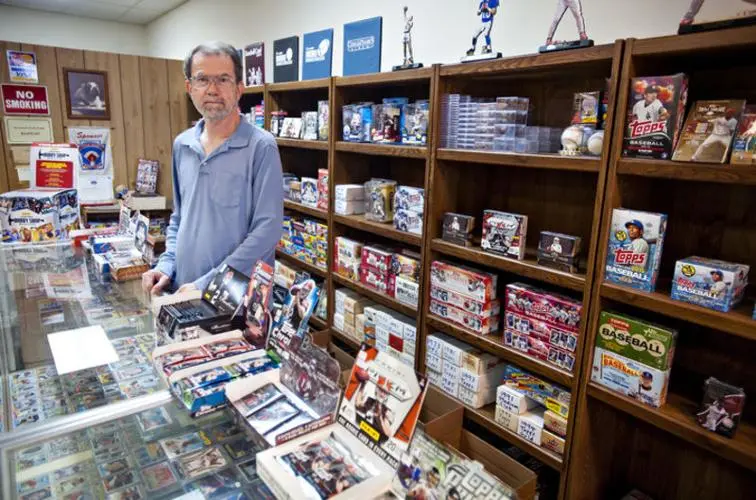
The traditional model of a hobby shop is centered around physical items. Trading cards, figurines, and board games are popular items that can be found in most hobby shops. However, as the world shifts towards digital collectibles, hobby shops need to adapt to stay relevant.
One way that hobby shops can integrate into the digital revolution is by offering both physical and digital collectibles. This would allow customers to have the option to buy physical items such as trading cards, figurines, or board games, as well as digital items such as NFTs or digital trading cards. By offering both physical and digital items, hobby shops can cater to a wider audience and provide customers with more options.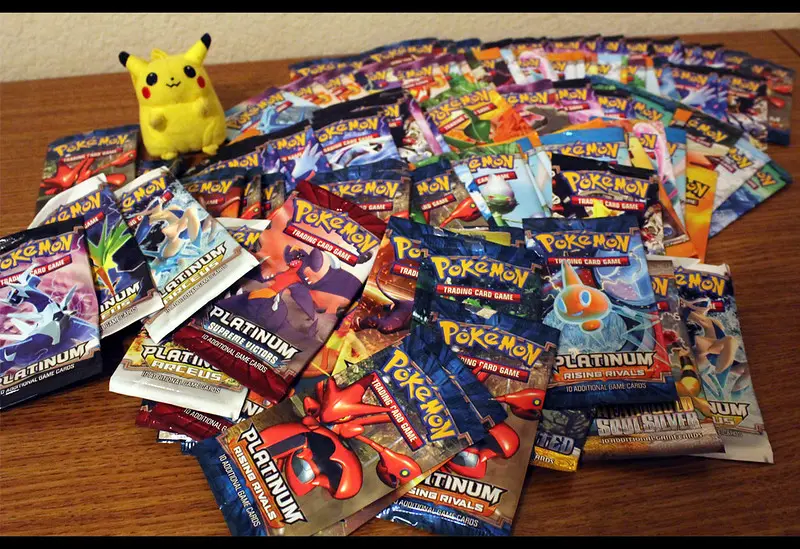
However, creating NFTs is a new concept for hobby shops. NFTs are unique digital assets that are verified on a blockchain, making them one-of-a-kind and impossible to replicate. This means that NFTs can be used to represent any digital asset, from artwork to in-game items. By creating their own NFTs, hobby shops can offer unique and exclusive digital items that are only available through their store.
Hobby shops can work with artists and designers to create limited edition NFTs that are exclusive to their store. These NFTs can be sold online, and customers can own a piece of exclusive digital art or in-game item that can't be found anywhere else. By creating unique NFTs, hobby shops can stand out in the crowded digital collectibles market and create a sense of community around their store.
Another way that hobby shops can integrate into the digital revolution is by using social media and online marketplaces to reach a wider audience. By creating an online presence, hobby shops can sell their physical and digital items to customers who may not be able to visit their physical store. They can also use social media to promote their products and engage with their customers.
Hobby shops can use online marketplaces like OpenSea or Atomichub to sell their NFTs. These marketplaces provide a platform for hobby shops to sell their NFTs to a global audience, and customers can purchase these NFTs using cryptocurrency. By selling their NFTs on these marketplaces, hobby shops can tap into a new market of customers who are interested in digital collectibles.
In summary, the rise of NFTs and digital collectibles presents both challenges and opportunities for hobby shops. To stay relevant in the digital age, hobby shops need to adapt by offering both physical and digital collectibles, creating their own NFTs, and using social media and online marketplaces to reach a wider audience. By embracing the digital revolution, hobby shops can maintain their presence in the industry and continue to serve their customers.
As technology continues to evolve, it's important for businesses to adapt and stay ahead of the curve. For hobby shops, integrating into the digital revolution presents both challenges and opportunities. By offering a diverse range of physical and digital collectibles, creating their own NFTs, and utilizing social media and online marketplaces, hobby shops can maintain their presence in the industry and provide customers with unique and exclusive items.
What do you think about the future of hobby shops with NFTs on the rise? Do you think they will be able to adapt to the changing industry, or will they struggle to keep up? Let us know in the comments below! And if you found this article helpful, don't forget to give it a thumbs up.






