
Myth n° 1: Low-fat diets are the solution to the obesity epidemic
Dr. Walter C. Willett is chair of the Department of Nutrition at the Harvard School of Public Health, the world’s largest nutrition research unit, and a professor of medicine at Harvard Medical School.
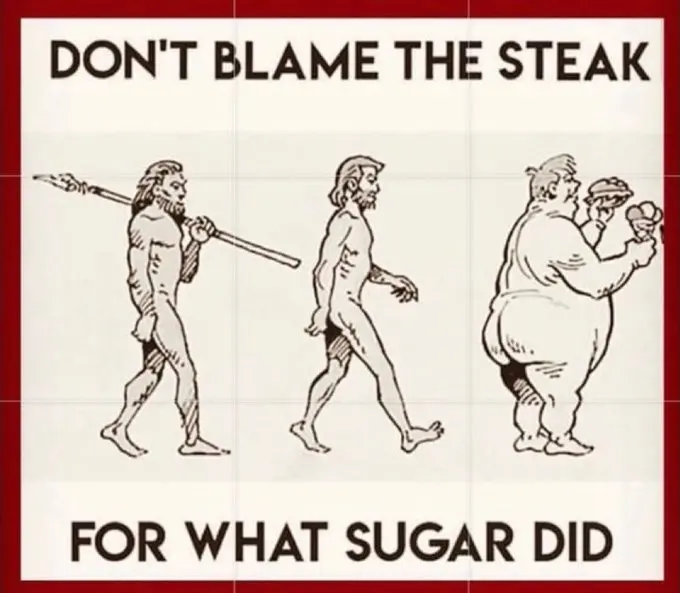
“Fat is not the problem,” says Prof. Walter Willett. “If Americans could eliminate sugary drinks, potatoes, white bread, pasta, white rice, and sugary snacks, we would wipe out almost all of the problems we have with weight, diabetes, and other metabolic diseases. “
“Unfortunately, the scientific community has contributed to this problem by spreading the message that only calories from fat matter, and this has led many to believe that they can consume large amounts of sugar, grains, and starchy foods without paying the price in terms of weight.”
Myth n° 2: You gain weight because you consume more calories than you burn
Author of several bestsellers in the United States, including Why We Get Fat, 2012, Gary Taubes is an American journalist specializing in scientific investigation. He has spent much of his career investigating nutritional recommendations. His position as a journalist, outside of medical circles, gives him the freedom to question official dogma.
His thesis can be summed up in one sentence: “The problem with obesity and diabetes is not calories, it’s insulin.
Excerpt from an interview:
“Westernization is characterized above all by an increase in the consumption of sugar (sucrose and high-fructose corn syrup) and carbohydrates. These factors are the cause of obesity and diabetes, not because of the amount of calories consumed, but because of the effect of these sugary and carbohydrate calories on insulin signaling and, consequently, on fat accumulation. My reasoning, as simplistic as it may seem, is as follows: to cause an epidemic of obesity and/or diabetes in a population, all you have to do is add sugar, and perhaps sugary drinks in particular, to what they traditionally eat — whether it be the primarily carbohydrate-based diet of Southeast Asian populations or the primarily meat-based diet of the Inuit or pastoral populations such as the Maasai of Kenya — and wait a generation or two at most to see these disorders manifest themselves.”

Myth ,° 3: Cholesterol clogs arteries, and statins protect you
Dr. Michel de Lorgeril is a researcher and cardiology expert at the CNRS and the Faculty of Medicine in Grenoble, and author of Cholesterol, Lies, and Propaganda.
His thesis: Anti-cholesterol drugs bring in a lot of money for the industry, but no fewer heart attacks for patients!
First of all, in terms of the artery, during a heart attack, “it is the clot that clogs the artery,” and “cholesterol plays no role in thrombosis.” Cholesterol is found in the atheroma, but it accounts for only one-third of the lipids in the atheroma, which itself accounts for only 30% of the plaque. So, according to him, “it is not cholesterol that blocks the artery.” He states: “Lowering your cholesterol level does not guarantee a reduced risk of dying from a heart attack or a longer life expectancy.”






