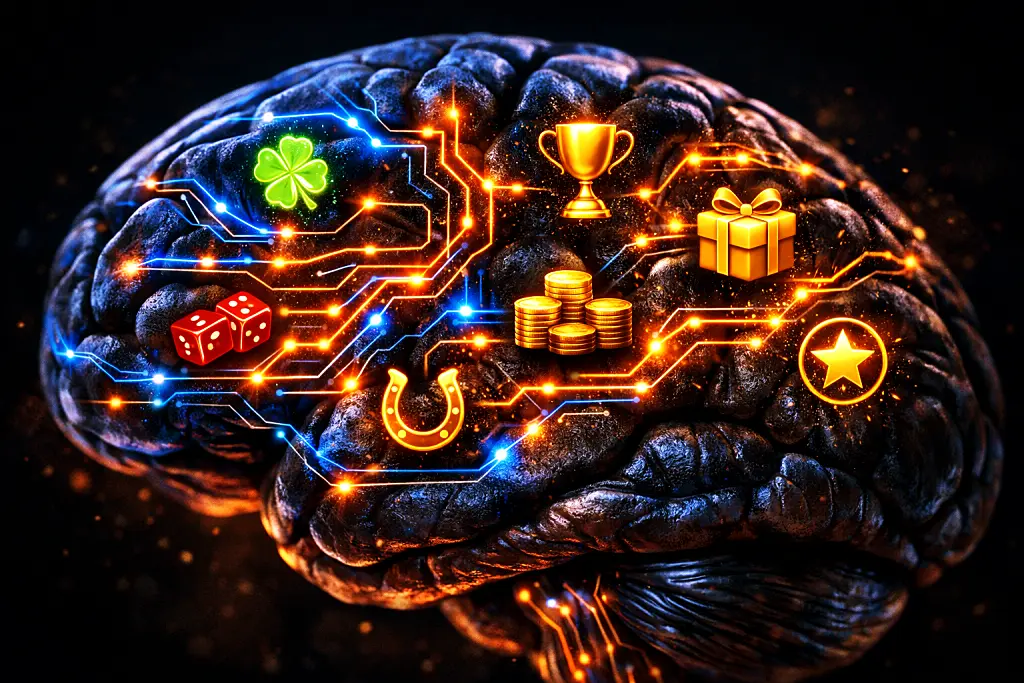
You’re already gambling.
You just don’t notice it.
You don’t need a casino anymore.
No chips, no tables, no dealer.
Gambling has quietly slipped into your daily life, hiding in places you barely pay attention to.
It’s in the apps you open without thinking.
The games you play when bored.
The sites you scroll through.
The advice you follow.
Even the news you glance at without care.
Everything is designed around one simple idea: take a small risk for a possible reward.
Sometimes a discount.
Sometimes a reward.
Sometimes just attention.
Sometimes money.
And sometimes… nothing at all.
That little “maybe” keeps you moving, scrolling, clicking, hoping.
It rewires your brain without you realizing it.
There’s a term for this: gamblification.
And when it starts controlling entire systems, some call it hyper-gamblification.
Names aside, what matters is the effect.
These systems are engineered to hit the same reward pathways your brain uses for gambling.
Only now, the slot machine fits in your pocket.
And it never stops.
Think about it.
How often do you act because something might happen?
Check a notification you don’t really need to.
Refresh a feed, just in case.
Click a link you weren’t planning to.
Try a tip that might pay off.
Alone, it seems harmless.
Repeated hundreds of times daily, it changes you.
Patience fades.
Risk feels normal.
Immediate rewards seem more important than long-term thinking.
And unlike a casino, there’s no clear boundary.
You don’t step in.
You don’t leave.
It’s always there, lurking quietly, shaping behavior without a sign.
Where economic pressure is high, this effect grows stronger.
The hope for “one good outcome” becomes more urgent.
Small risks start to feel necessary.
If this continues, especially in struggling economies, it’s no longer just a tech trend.
It’s a societal shift.
And in countries facing economic crises, starting with children, a large part of the population could grow up as gamblers!