
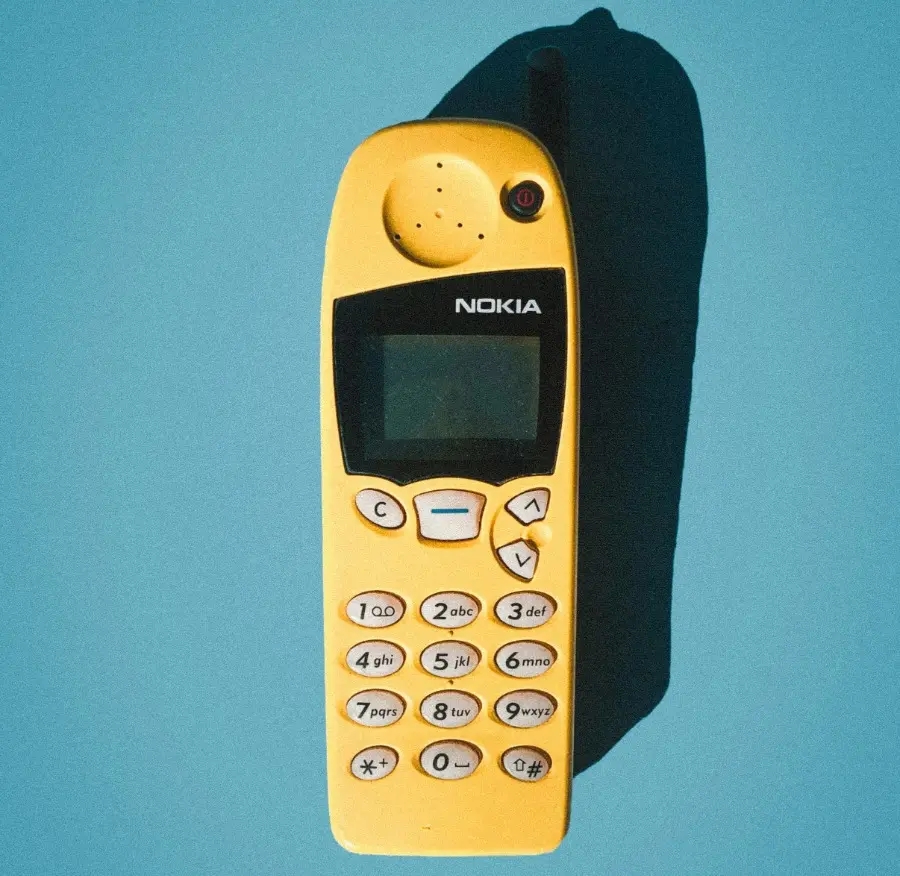
Nokia used to be known for its unkillable phones but the transition towards smartphones failed, and those days are gone now.
But Nokia, as a company, is still active. Still alive and kicking.
The thing is, the telecommunications world is shifting from static connectivity to programmable ecosystems. In other words, Nokia couldn't figure out a way to create its own OS and make it work with its own hardware, and so it switched to software.
Earlier this month, Nokia announced a massive expansion of its Network as Code ecosystem, which now involves over 75 partners, including Deutsche Telekom, Orange, Telefónica, and Vodafone.
Nokia's Network as Code uses APIs (Application Programming Interfaces) to turn complex 5G network functions into simple, programmable software code.
API basically translates specific requests into a tangible result, which, in this instance, helps companies code better.

That's an oversimplification, but you must've been mistaken for someone who actually knows what they're talking about.
Translated into edible terms, among other things, Nokia is helping Deutsche Telekom, Rakuten, and Globe replace cumbersome One-Time Passwords (OTPs) with 'Silent Network Authentication', and it's helping stabilise connectivity in case of huge events with a lot of people connected, and so on.
It's a shame that Nokia couldn't make it to the smartphone era, but it's nice to know they still exist in some form.






