It's about that time where I emerge from the shadows as Bitcoin starts an upswing. Is there a gaining confidence in cryptocurrency, are we seeing more institutional investors joining the legions or is this a result of the looming halving event set to take place early-to-mid 2024. While no answer is certain, today I'll look to cover the halvening and what it means for us.
As crypto has evolved into such a vast ecosystem of currencies, information and some would say enthusiasm, the Bitcoin halving is one of the most and least exciting events for crypto. This scheduled event, which happens about once every four years, provides a profound influence on the Bitcoin network and the broader cryptocurrency ecosystem. While it's super exciting across the network, it's often short-lived (only one block and then on to the next tbh lol) but still super cool experience. We'll take a look at what this halving actually is, what part it plays on the price and market and a broader macro-economic perspective on what it means for the future of BTC and crypto.
What is the Bitcoin Halving?
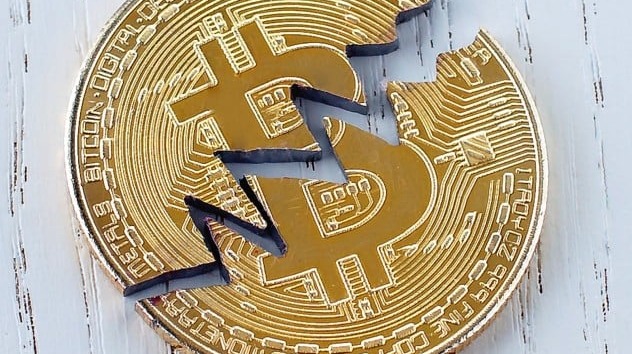
The Bitcoin halving, AKA the "halvening," represents a fundamental element of the BTC protocol. This mechanism was intentionally built into fundamental operations which regulates the pace at which new Bitcoins are brought into the market (which is super big-brained in retrospect tbh). This event happens every 210,000 blocks, which works out about four years as it's projected to take 10 minutes for a block to be mined. The overarching idea is to reduce the rewards miners receive which helps to drive scarcity from an economic perspective of the supply/demand elasticity.
During each halving event, the reward that miners receive for adding a new block to the Bitcoin blockchain is cut in half. When Bitcoin was created in 2009, the OG block reward was 50 Bitcoins (if only ugh). When the first halving occurred in 2012, the reward was reduced it to 25 Bitcoins with the same event occurring in 2016 which cut the rewards to 12.5 Bitcoins. The last event occurred in 2020 brought it down to 6.25 Bitcoins. The next halving is anticipated in 2024.
Why is BTC halving actually important?
The Bitcoin halving has several important implications:
-
Supply: Bitcoin is an OG crypto and we all know that. There's a capped supply and with each halving supply (or the amount being released into the market) decreases. One of the key drivers of Bitcoin's value is its scarcity. Every four years when this event occurs, the rate at which new coins are mined decrease which yes, are lower than before, still impact the final underlying total supply which only gets smaller year after year. This goes hand in hand with a more economic perspective as this event leads to increased demand, potentially driving up the price.
-
Economics: As Bitcoin has that built-in protocol to cap the total supply of Bitcoin at 21 million, this creates the true anti-inflationary aspect compared to traditional fiat and centralized institutions. Miners will sell their BTC to cover costs and with less being released into the market it impacts but supply and secondarily the economics.
-
Incentives: This event has a serious impact on the economics of Bitcoin mining. With reduction in rewards, miners are forced to find more efficient ways to mine, otherwise they would rely on transaction fees to sustain operations.
-
Market Sentiment: Halving events often generate significant media attention and hype. This heightened awareness can influence investor sentiment and participation in the market, potentially leading to price rallies before and after the event.
What does the halving mean for my coins?
As we look back in time, historical evidence suggests that Bitcoin halving events have often coincided with substantial price upswings. In the months both preceding and following a halving, the value of Bitcoin has experienced a really strong growth, adoption and generally positive sentiment. While all of these are great to HOLDers, one must remain wary of downswings and uncertainties which can still impact. One good example of this is how BTC went through the halving in 2020, hit a record high and then COVID shut everything down which turned the crypto market into a bear market That being said, these price repercussions of halvings can be shaped by a bunch of factors, ranging from prevailing market sentiment and macroeconomic circumstances to the pace of cryptocurrency adoption. While many (including myself...I have to, don't I?) anticipate a positive impact on Bitcoin's price following a halving, it's without having to say that any "positive" attributes associated with the halving might not actually occur.
Is it our time...again? Buckle up, hang on and enjoy the ride