
Bitcoin, Ethereum, and now hundreds of alt coins have surged in popularity since their humble beginnings years ago.
This article is not about the technical aspects of Bitcoin, other cryptocurrencies, or even the blockchain technology. Rather, I want to just highlight the emotional experience you may undergo while jumping into the crypto space.
1. Cryptocurrencies are very volatile

With Bitcoin not being an actual product or service, it's worth is determined by its exchangeability and value to other users. While this could be said of other major cryptos, most emerging today are tied to some type of service, platform, product, ecosystem, etc. that could provide more use for the specific coin or token. While anyone would tell you to do your research, it would be worth looking into what service or implementation the alt currency you are looking into might have and how that will affect the price. Emotionally, you should prepare for this volatility by watching charts and knowing what type of percentage swings you will be looking at, how much you feel comfortable investing, etc.
2. To Start, Define Your Goals and Strategy

Do you want to wait for a dip and throw a lump sum in? Would you rather start dollar cost averaging and get into a general position over time? These are questions you should consider and map out before entering the market.
3. Find an Exchange
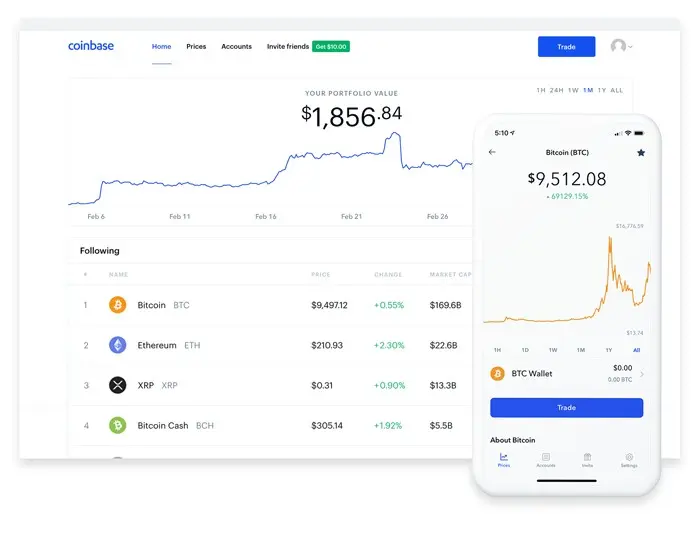
Find an exchange where you can purchase bitcoin, ETH, and other major cryptos. As a U.S. user, I use Coinbase, but there are other exchanges like Binance and KuCoin as well. (These are referral signup links in which for Coinbase you receive $10 for a $100 deposit, Binance & KuCoin are 50% off all fees)
4. Start Acquiring Your Cryptocurrency

Whether you are going to buy alot all at once or space it out over regular contributions, keep in mind the volatility. I tend to buy when prices drop, and tighten up when they rise. Personally, I do not sell much, usually I just convert certain major coins into new smaller ones that look interesting and I want to gain exposure to. I am in this to acquire crypto, hold it, let it grow, and eventually use them as see fit. I am also holding certain crypto as a long term investment like for a home purchase or financial independence and retirement. This, again, is where you have to focus on what your strategy looks like, adapt to how it works, and find what feels best for you.
5. Learn How to Hold Your Cryptocurrency
Now that you are holding cryptocurrency, look into different methods of how to store it safely and securely. There are different options with different risks and benefits. Holding your coins on exchanges will leave you vulnerable to that very exchange's security, but allow you easy movability of coins between different online wallets. Cold storage and hardware wallets are probably your best bets for any long term or major crypto holdings.
* Bonus Tip: Cryptocurrency is Fun and Exciting, But Take Breaks

If price volatility in crypto is bumming you out, well, first off, welcome to crypto. But seriously, the first few years of entering traditional markets was emotional for me, so having weathered the rise of bitcoin and alts in 2017 to the bear market that sharply followed, let me tell you that crypto can be much worse. This allows for even wilder plays and positions if you are into trading or even just smart portfolio plays, but sometimes looking at the downturns can bum even the most stoic. This is why I suggest adopting an attitude where you can let it go when necessary, it will be imperative to surviving a bear cycle, inevitable project collapses or unexpected costs and setbacks with staking or transaction fees.
It is still a very wild wild frontier in crypto, and the more adoption is just changing the scenery. Strap in and let's ride. Happy coining!






