
We're back! Many of you guys loved Part I of our article, "10 Thoughts on How Blockchain Will Reshape Society," so we're bringing you Part II.
In this second installment, we'll look at 5 more thoughts about how blockchain is going to change the world. And if you missed Part I, no worries—you can check it out here then come back. Or, since these thoughts are in no particular order, you can read the present post then go see Part I.
Blockchain and cryptocurrencies are still young to say for sure what the extent of their societal impact will be.
In Part I, we discussed five blockchain-enabled changes likely to become the norm in modern society, namely: timestamping, legal wills, banking, P2P renewable power, and last but not least food safety.
Now we're back with the second half of our list, so you can get even more excited about the exciting future ahead of us!
1. Universal Basic Income (UBI)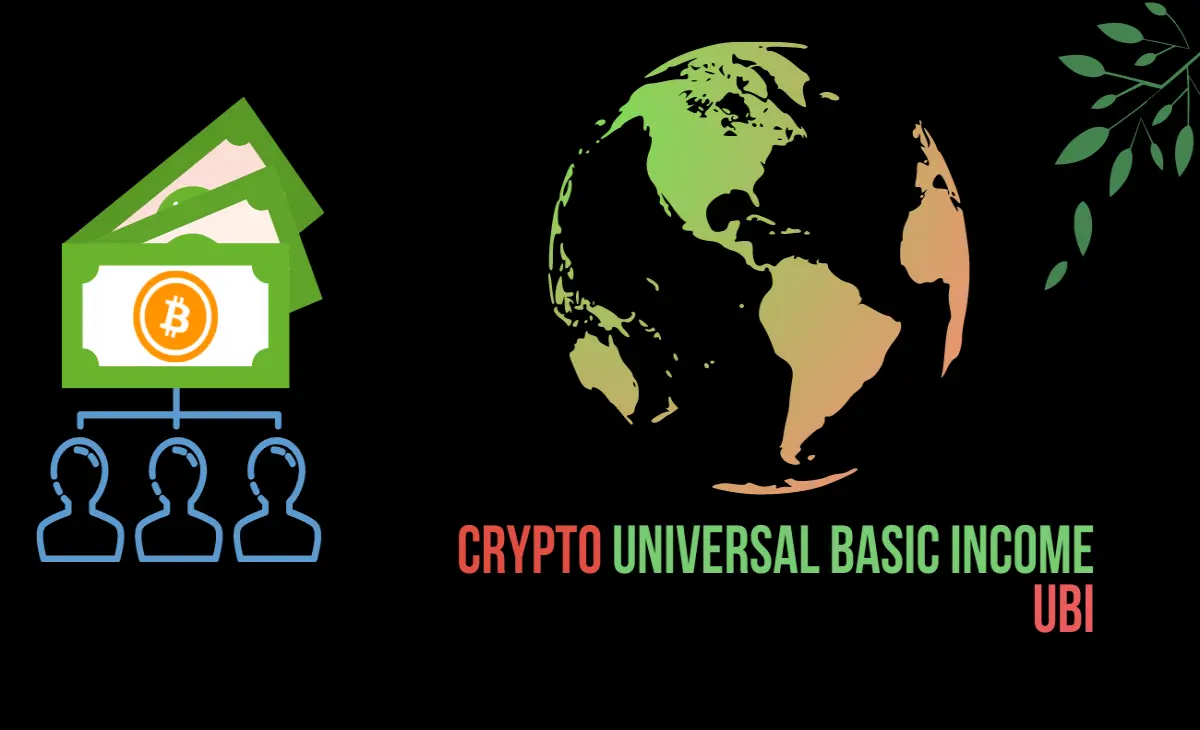
In an economic system where automation is rapidly displacing workers, one idea that has been floated is that the government should step in and provide Universal Basic Income (UBI) to all citizens. However, UBI has always been a controversial proposal, because it’s difficult to find the resources for such a massive transfer of wealth. With the emergence of blockchain and cryptocurrency technologies, now we may have a way to implement UBI without taking money from other taxpayers.
The idea behind UBI is fairly simple: a certain amount of money given to everyone, no questions asked. It is a policy concept where every citizen receives a sum of money unconditionally, without having to pass any tests or fulfill any requirements other than citizenship.
But how do we pay for it? — some might argue that UBI could be funded by raising taxes on corporations or the wealthiest individuals in society. Others may suggest that a simple way to fund this would be to just take the money from existing social assistance programs — these programs already have administrative costs and overhead associated with them.
But maybe the best way is to create a true community-based crypto token from scratch available to citizens who opt in. It should be a cryptocurrency geared toward empowering the most vulnerable communities instead of a bunch of "crypto speculators"!
Technically, we can do it. Ethically, we should! So why aren’t we already working on it? That’s a question for another post.
2. Tamper-Proof Voting
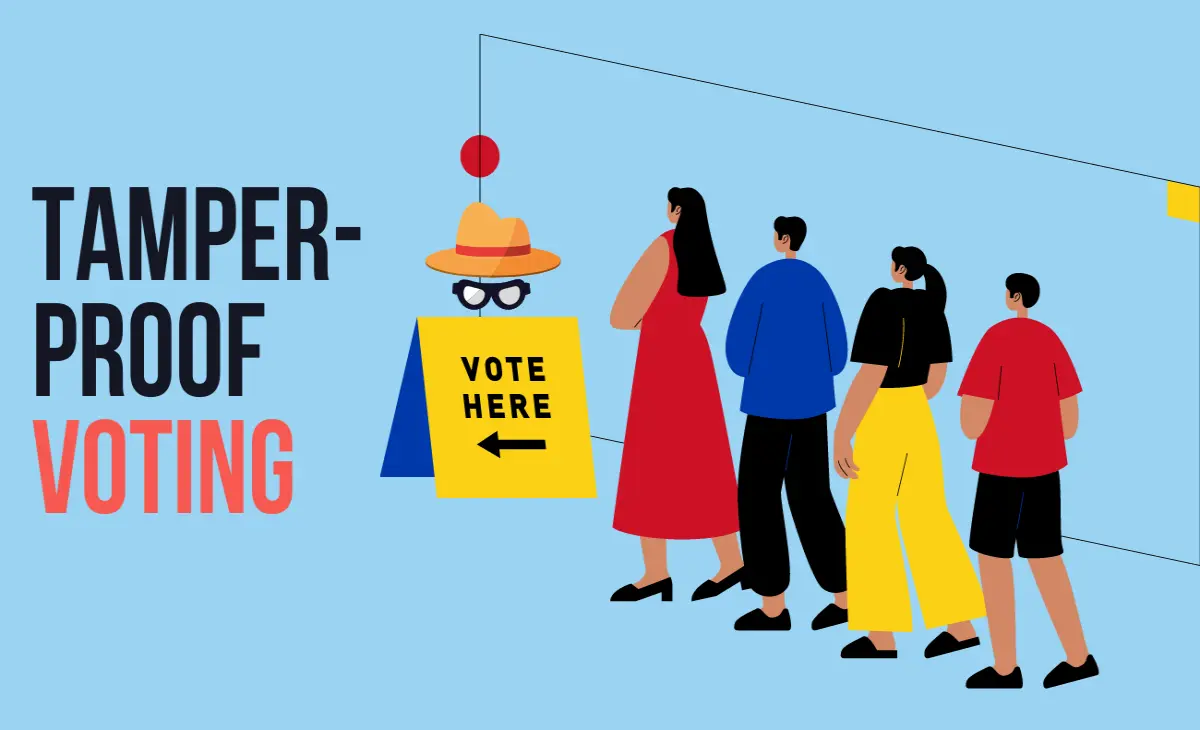
One of the biggest problems around voting systems is that they can be hacked. And hacking is not always done through a technical back door. Sometimes, it's done by tampering with paper ballots in the ballot box. There are too many ways to cheat the system.
Blockchain voting would have several obvious advantages over our current voting systems.
Election results can't be tampered with for any reason, including due to human error. Voting machines and their software can be audited for security flaws without having to wait for election day. Voting records could theoretically be made publicly available, so that voters could verify that their votes were counted and counted correctly. The vote counts would also not change even if some of the computers fail.
Voter fraud and identity theft would no longer be possible because votes would be registered as blockchain transactions, which are anonymous while still being completely secure and verifiable.
In addition to less risk of vote rigging or hacking attempts, blockchain-based voting would likely also result in higher voter turnout rates as people could vote using an app on their phones.
3. Decentralized Social Networks
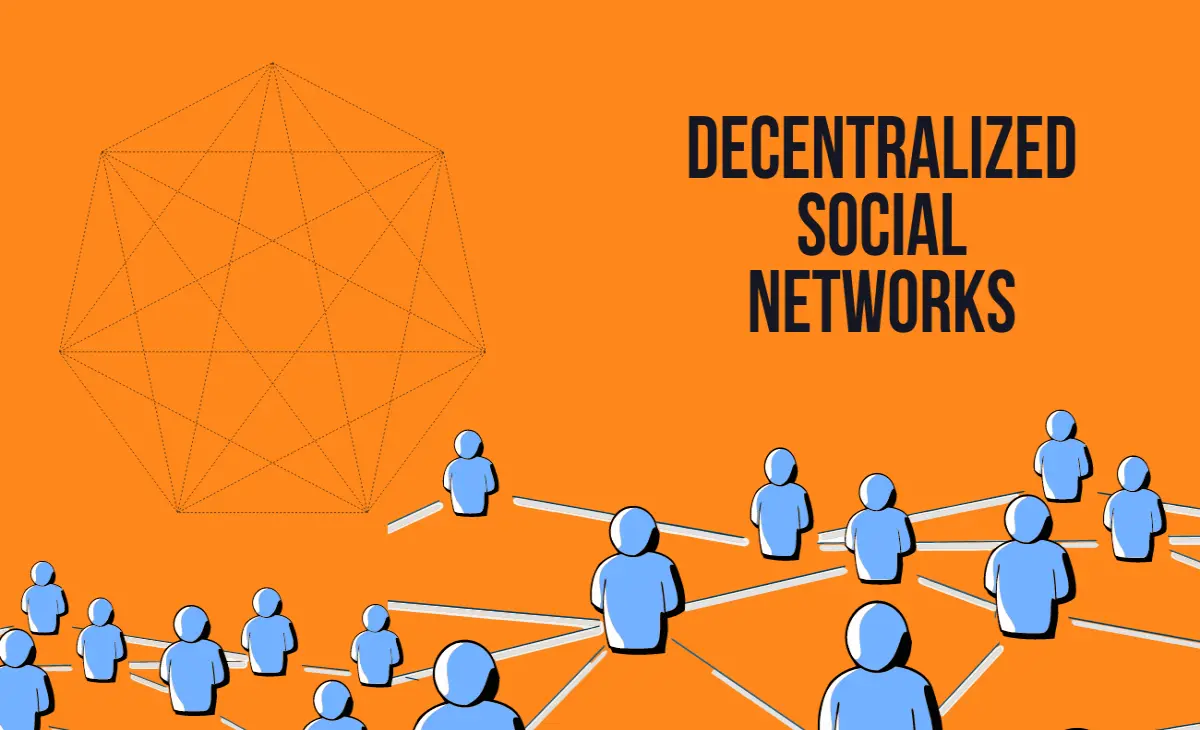
Facebook, Instagram, Twitter, TikTok and the like are all centralized platforms that own the data of their users and are able to control information. This is true of almost all social networks in existence today.
These networks own the vast amount of data generated by its users. This includes our messages, photos, videos, likes, comments and more. If a user were to leave Facebook for example, they would be taking none of this data with them. However, with decentralized social networks powered by blockchain technology, every piece of content that is uploaded is owned by the user that created it. If a user wants to move their data from one network to another, they can do so without any problems.
In addition to owning their own data, users can also be compensated for their contributions. This could be in the form of token rewards in exchange for content or ad-revenue sharing for views on posts.
The centralized nature of social media has made it possible for large corporations to censor content, sell data, and increasingly control the narrative. And as we've seen, this can lead to some very serious problems. On top of questionable practices with regard to user privacy, there are also concerns about the way these companies filter content for users.
Blockchain could provide us with a way to store our personal information in a "personal cloud account" which we control and not some company like Facebook or Google
Companies like Facebook and Google would still exist as clients for our data and be able to build functionality on top of this "personal cloud account" - something like an API layer on top of your personal data which only you control access too.
This would mean that Blockchain companies would need to compete on their ability to provide value-add services on top of your personal data rather than the sole ability to monetize it by selling ads against it.
4. Government Censorship-Resistance
One of the most important aspects of blockchain is its potential to create decentralized networks. This means that governments won't be able to control a platform. And this has extremely far-reaching implications for how people interact with each other, especially against government censorship in any kind of way.
Imagine that The Block Report, this very blog you're reading in right now, publishes content that annoys some government officials. Now, if I don't want any entity to censor my content, I should probably move from traditional servers that remain vulnerable to, say, government action.
However, if I use a blockchain-based system, then no single entity controls my blog and there's nothing the government can do to prevent me from publishing content there.
Even if they try to block access to the domain name or website where the blog is located, they might not be able to do so because the decentralized nature of blockchain makes it impossible for them to find every node that stores bits of information about the blog.
As far as government censorship goes, the case of people in Hong Kong against Chinese internet censorship is a great example. One famous example is the story of Yue Xin, who wrote a letter that made some officials at the Chinese Communist Party unhappy. All of the Chinese centralized social media, like WeChat, blocked the letter. But once it hit the Ethereum blockchain, the Chinese government had nothing to do to stop it from circulating.
There are many other stories like this that, if anything, prove that new tech can be a potent weapon in the arsenal of anti-government centralization, freedom-seekers all over the world.
5. Smarter, More Trustworthy IoT Devices
The promise of IoT (the Internet of Things) is that it will make our lives easier by connecting the devices we use every day, making them smarter, and allowing them to communicate with one another. With IoT, your car might communicate with your home heating system or with your mobile device to send you an alert when it's time for an oil change. Your refrigerator could tell your phone when you need to toss expired food or order more milk. Your thermostat could monitor conditions in your home even when you're not there and adjust the temperature accordingly.
But for all its potential benefits, IoT has some serious downsides. Most notably, if all of these devices are communicating with one another and collecting enormous amounts of data about us, how do we keep that information safe? How can we prevent cybercriminals from hacking into our cars or hijacking the password of our smart lock?
Blockchain may offer a solution to these problems by helping us develop a secure, decentralized network for IoT devices.
While the IoT brings a host of unique cybersecurity concerns, Blockchain-enabled devices offer a solution to this security problem. Rather than storing your data on a single device (like a smart watch), blockchain technology can decentralize the storage of data so that it is not kept on one central server but rather in multiple locations simultaneously.
This means that if your smart watch were hacked, your data would still be safe because it would not remain stored solely on your watch but would also be encrypted and stored across multiple "nodes" in a blockchain network. Accessing this information would require hacking into every node simultaneously which is virtually impossible due to the decentralized nature of blockchain technology. This makes blockchain-powered devices far more secure than today's standard IoT technology.
BOTTOMLINE:
All in all, blockchain is one of the most innovative mechanisms we've seen in history. To some, it seems as though blockchain might change everything, and everyone is curious to see what happens next. It's impossible to predict how this technology will play out eventually. As applications for blockchain technology begin to emerge, its transformative potential will only continue to grow. It is far too early to tell what the next evolutionary step will be. But there are a few things that seem certain: blockchain is going to reshape the basis of how we structure our behavior, and it has the power to transform many elements of our social lives... for the better!






