
On January 9, 2020, the Disk Network applied for a U.S. patent for a system to fight piracy online. The patent is known as the Content Anti-Piracy Management System. While this is an interesting idea, I do have concerns about privacy and the centralized nature of this patent.
How it Works
With having the goal to fight piracy, Dish plans to create a software and/or hardware facility that content owners can use to be able to take action against piracy more "effectively, efficiently, and is scalable ("the facility")".
The facility helps reduce the need for intermediaries and enables participants to use blockchain. It will provide content owners with watermarking/fingerprinting (unique identifier) techniques that can be embedded in their content. The facility will add information related to each unique identifier in a database where content owners are able to update the information via blockchain.
Here is where the concerns for privacy are.
Examples of information include, but are not limited to identity of authorized users, contact information (e.g., e-mail, telephone number or any other details that other platforms use to identify user account), current rightsholder(s) (e.g., editor, user, subscriber, distributer, etc.), sublicensee who has the rights to sublicense to another party, markets (U.S., Germany, Japan, etc.), language rights, etc.
The facility will provide an identity verifying software to content sharing platforms/services to read the unique identifier. If an infringer uses your content, the platform/service can "query the facility's blockchain repository to read the data related to that unique identifier". Once an infringed content is identified, the facility provides options to the platforms/services on tacking action against the infringer or the infringed content itself. Platforms/Services can hide the content for a period of time, take down the content, notify the owner, and so on.
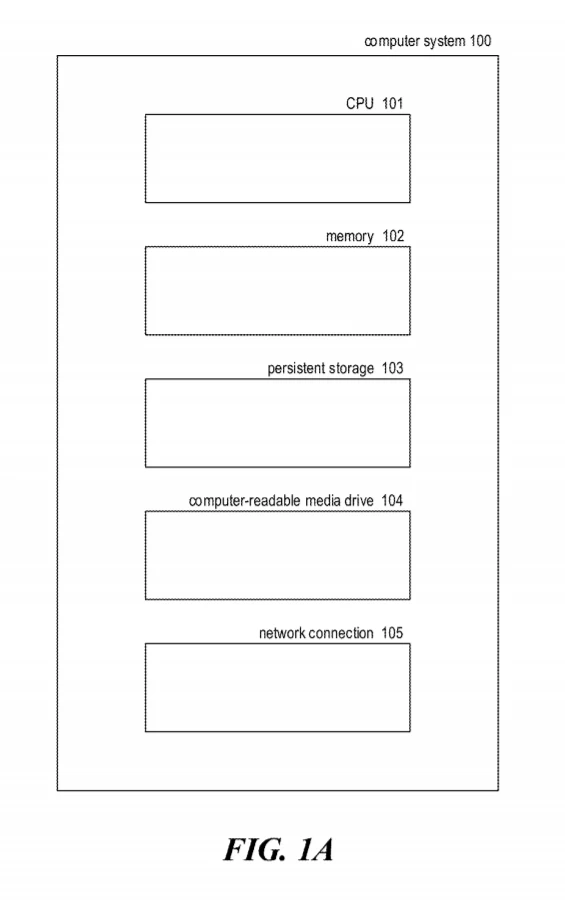
FIG. 1A is a block diagram showing some of the components typically incorporated in at least some of the computer systems and other devices on which the facility operates.
The techniques used can be implemented as "special-purpose hardware" which basically means proprietary hardware and software.
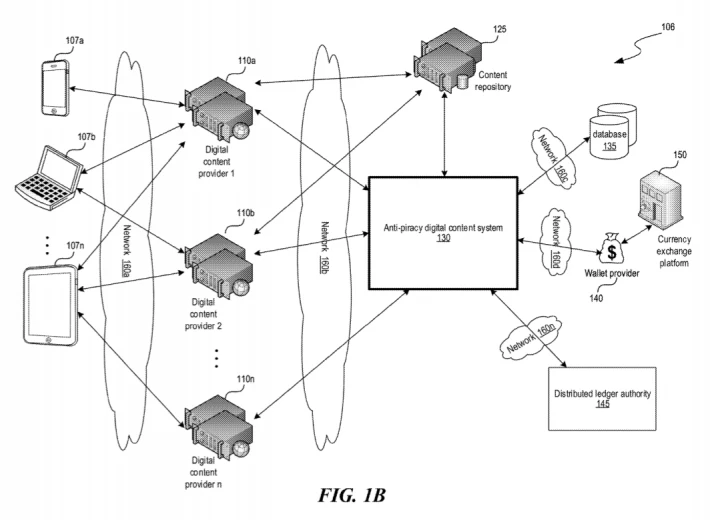
FIG. 1B illustrates an example of a communications environment in which some embodiments of the facility can be utilized.
The above diagram looks a bit centralized, doesn't it? Various devices will be able to access this blockchain and transact for doing things like content uploading, editing, and distributing.
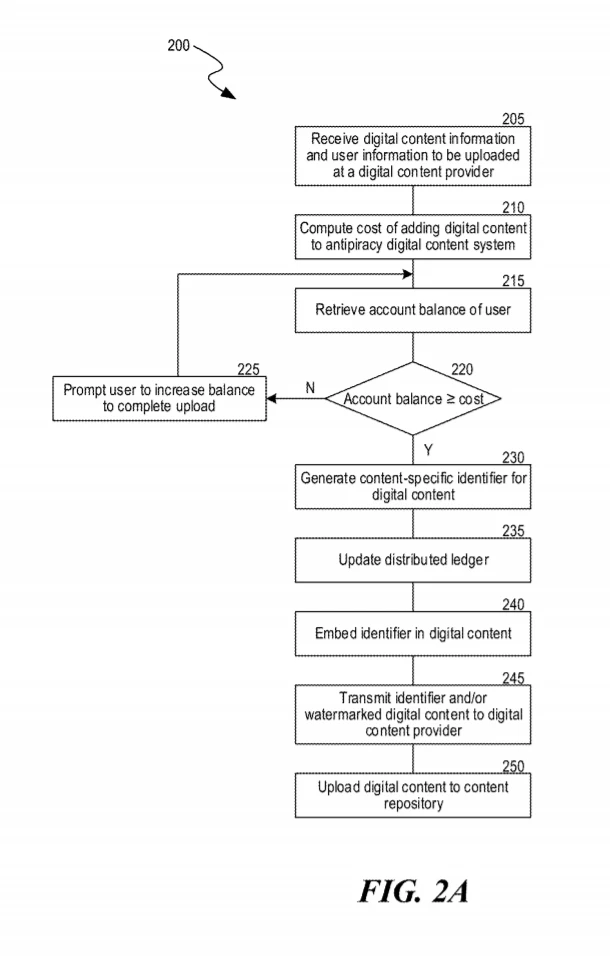
FIG. 2A is a flow diagram showing a process performed by the facility in some embodiments when receiving new content for uploading.
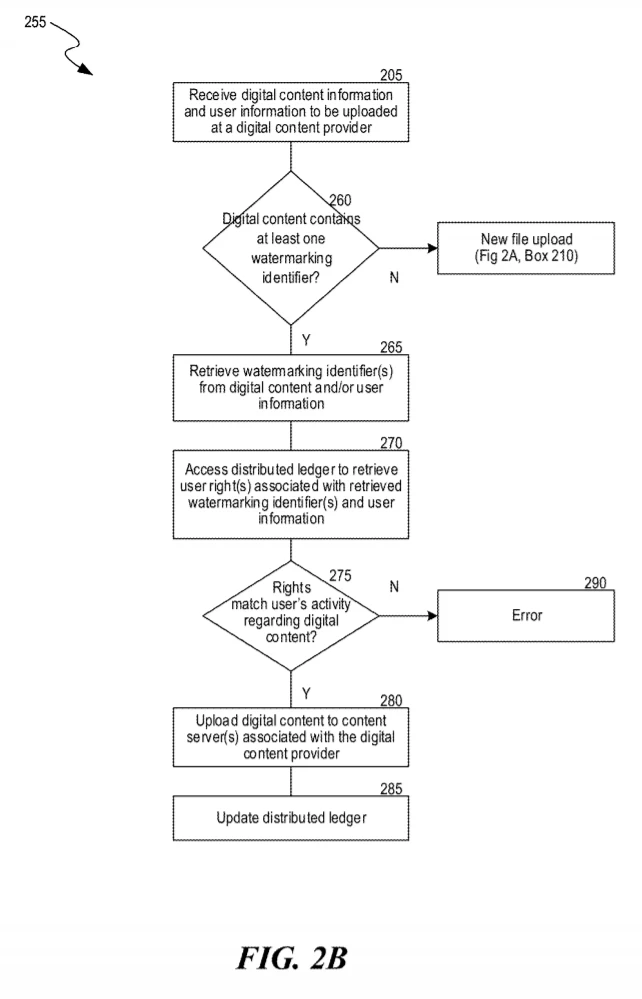
FIG. 2B is a flow diagram showing a process performed by the facility in some embodiments when receiving content for uploading.
Since uploads will be a transaction, these transactions use identity tokens. They also refer to it as "digital bearer bonds" and use it to help identify the content, users, and platforms/services involved.
The system will be set up to communicate with a digital wallet provider to verify if an upload has the funds for it. When content is uploaded without a unique identifier, it will communicate with the digital wallet provider and do its check of the balance of the user that is uploading the content. If the user does not have the funds to upload, the wallet provider will communicate with an exchange to notify the user to add funds to their wallet.
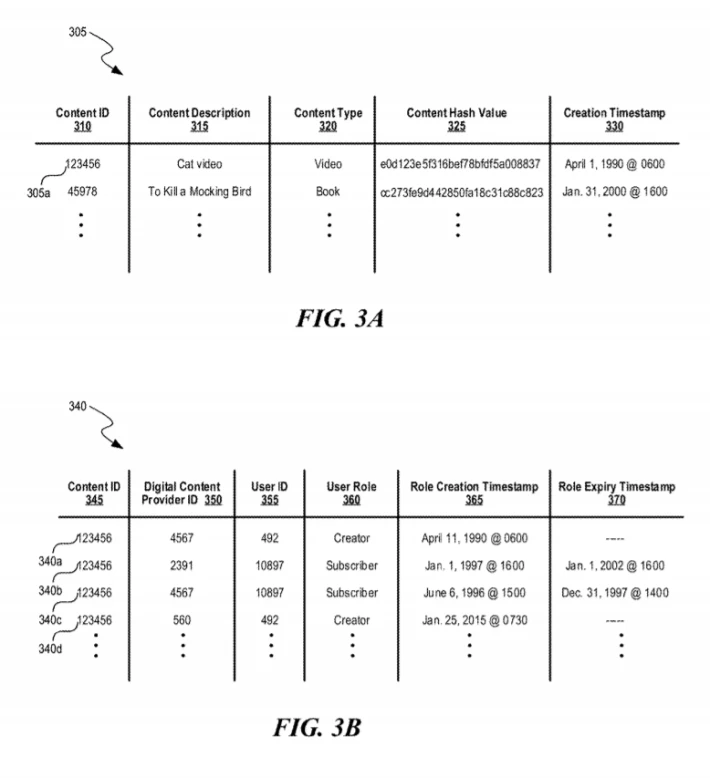
FIG. 3A is an exemplary data structure showing contents of a distributed ledger for maintaining information about digital content.
FIG. 3B is an exemplary data structure showing contents of a distributed ledger for maintaining information about rights in digital content.
For FIG. 3A and 3B, this is how the structure will be for the blockchain ledger that this system will use to keep track and audit.
Source: USPTO
While this is just an application for the patent, it hasn't been approved and even if approved, that doesn't mean it will be created for private or commercial use.
This is an interesting concept and does benefit the content owners but the way it's designed, there are major concerns. The fact that this system adds information like an upload user's location is quite alarming. In my opinion, this just seems like a centralized blockchain tracking system of everything on the internet. Something most in the crypto community wouldn't be too fond of.





