
Gas is a unit that measures the computational work needed to put a set of instructions into the network. The whole concept of gas fees is necessary to reduce spam on the network, such as a repeated movement of crypto from one wallet to another and back. These transactions would clog the network, but with gas fees, such transactions couldn’t occur indefinitely. The specific amount of gas varies by the type of instructions in the network but for general transactions, it is measured by the total amount of gas for the transactions times the amount per gas.
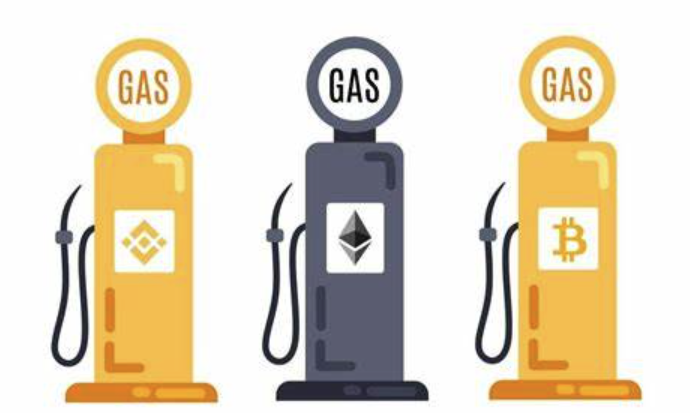
There are two main parts to gas fees: the priority fee and the base fee.
- The base fee is the minimum amount of gas that must be paid and this value is set by the protocol
- The priority fee is the extra fee that is set by the user. This fee is important because it determines the time it takes for the transaction to be executed.
- The larger the fee, the more likely a validator would choose to execute the transaction, but the smaller the fee, the longer it would take to get executed, if at all (Note: This system is descriptive of Ethereum; other cryptocurrencies may differ.)
This base fee is calculated based on a formula comparing previous blocks. Additionally, there is a maximum base fee of 112.5% of the current base fee. When setting a fee, users also have the option to set the maximum fee they are willing to pay. This fee is greater than the base fee plus the tip, and the user is then refunded the difference between the maximum fee and the base plus tip fee.
To recap, there are two parts to gas fees: the base fee and the priority fee. The base fee is determined by the protocol, while the priority fee is set by the user. Base fees vary based on the protocol and may increase up to 112.5% of the current base fee. Priority fees determine the speed at which transactions are executed, with a higher fee being faster and a smaller fee being slower.
If you want to learn more, check out the links below:
Thank You for Reading
If you like this article, consider reading my other articles






