
A Deep Look at Energy Crises Supply Issues and Cryptocurrency Swings
Out of nowhere, tensions between Iran and the United States have surged, turning into a defining moment for world politics. Yet away from explosions and borders, something quieter but just as fierce takes shape - money moving uneasily across continents.
Out of nowhere, a war reshapes global markets - energy crumbles while bitcoin wobbles wildly alongside oil and stocks. This clash bends long-standing economic patterns across continents without warning.
From the first click, clarity takes hold - real numbers shape each point, guiding both new and experienced market participants. A steady flow of evidence-based details replaces guesswork throughout.
Energy troubles worldwide hit a peak, calls it unprecedented. A report points out struggles never seen before. This moment stands apart from past shortages. Experts describe conditions more severe than any earlier point. Situation now stretches beyond typical limits
The International Energy Agency labels today’s energy phase a turning point
“biggest energy crisis in history.”
Why?
1! The Strait of Hormuz Chokepoint
More than one fifth of Earth's oil flows through this tight sea passage. When movement there stalls, worldwide trade feels it fast.
Supply shock unlike anything before
Oil supplies have been severely disrupted
Prices surged 17–24% since the war began
Fears grow that crude prices could hold high through late 2026. Experts say pressure won’t ease anytime soon. Supply stays tight while demand creeps up. Markets brace for prolonged strain beyond current forecasts. Some see little relief before 2027 nears
What we are seeing now is more than just another price bump. Behind the numbers lies a deeper shift taking shape over years, not days. Supply struggles to keep up, while demand quietly builds. This time around, excitement plays no role. Forces beneath the surface push prices higher, slowly but steadily. Not luck, nor noise, drives this move - instead, it's gaps in production meeting steady consumption. The foundation matters most here. A lasting pattern forms when output lags year after year. Hype fades fast; imbalances like this do not.
Large Drop in Stock Levels
Falling by roughly 900 million barrels could still hit global oil reserves, despite a ceasefire. Though fighting stops, supply might shrink. Because hidden pressures remain beneath the surface. When calm returns on paper, markets often react slowly. Since stored oil gets used faster than expected. Even peace fails to refill tanks quickly enough.
Peace might return, yet those shortages run too deep to vanish overnight. Supply struggles stick around long after fighting stops.
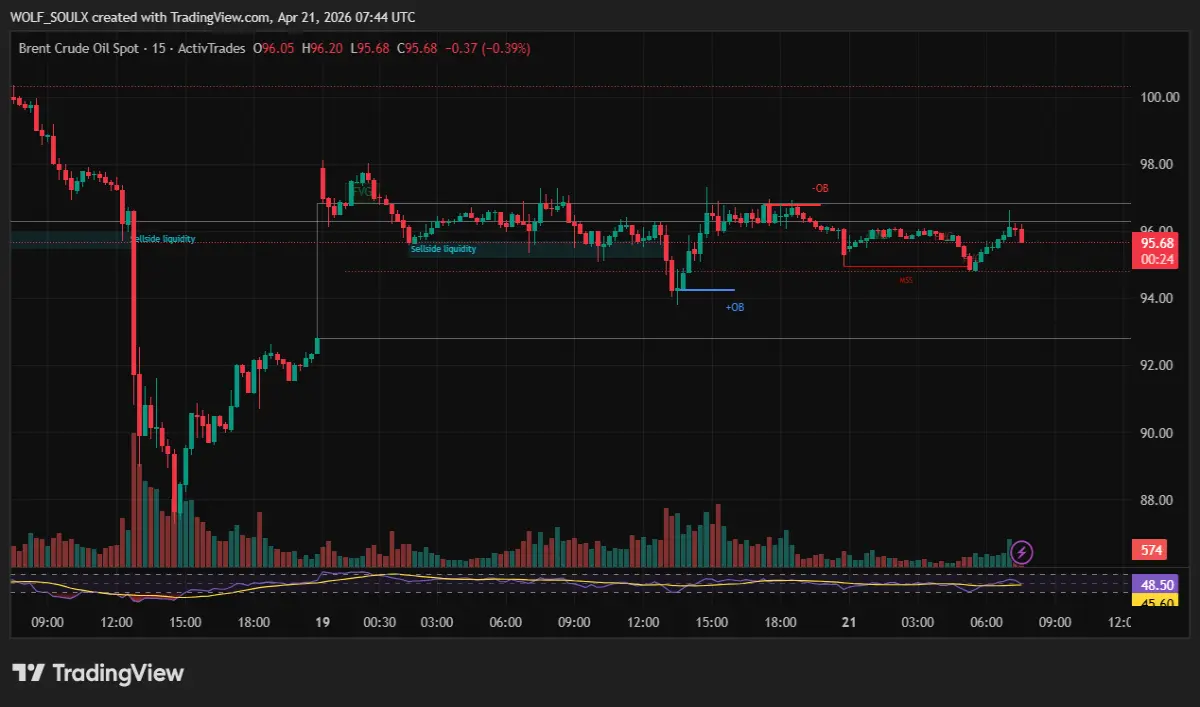
🛢️ 2. Oil Market: The Primary Driver of Global Volatility
These days, oil holds the biggest sway over what happens next. It shapes outcomes more than anything else around. Markets tilt when it moves. Other factors fade close behind. Pressure builds under its weight alone
Stocks
Inflation
Currency markets
Risk sentiment
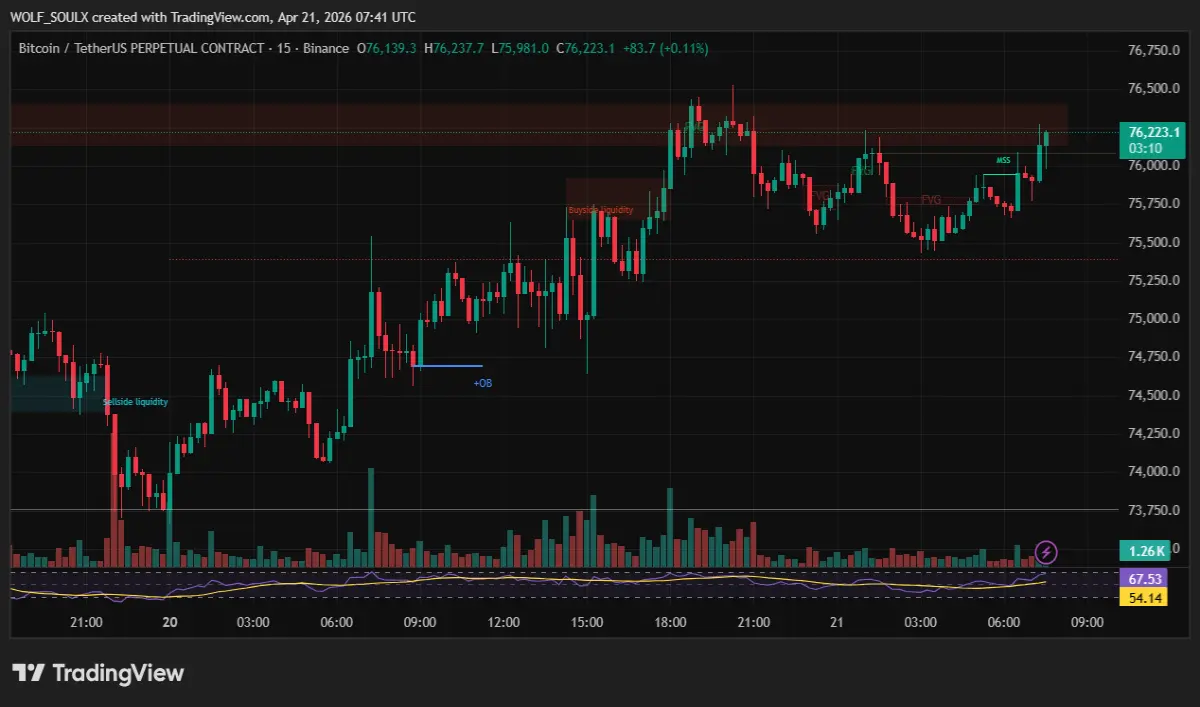
And even Bitcoin
Fresh jumps in oil costs followed tense developments, proving how quickly news can jolt trading patterns.
What This Means
A prolonged conflict = long-term oil bullishness
A peace agreement = immediate oil correction
Downward tick in shares: limited scope, shaky ground, panic behind moves
Fear spreads through stock exchanges whenever world tensions shift. A new crisis hits, trading floors respond within minutes. Investors watch borders like traders once watched ticker tapes. When diplomacy falters, prices twitch worldwide. Every flare-up finds its reflection in market dips. Conflict zones echo in portfolio values across continents.
Fragility Comes From Limited Leadership Perspectives
Out of nowhere, most optimism in the S&P 500 comes from only three firms. While it seems odd, these few drive nearly all positive updates. Instead of many players lifting forecasts, a tiny group holds sway. Because of this shift, market gains tie closely to their performance. Rather than broad confidence, reliance rests on narrow ground.
This means:
The rally is deeply unhealthy
The market is in a distribution phase
Weak sectors are being masked by strength in energy stocks
War Fuels Inflation Fears
Higher oil = higher costs
Higher costs = lower earnings
Lower earnings = weaker stocks
Fueled by one shift after another, stability slips away fast. The market wobbles under constant pressure. Each ripple pushes it further off balance.
₿ 4. Bitcoin: Caught Between Fear & Macro Hedge Narrative
Surprisingly, Bitcoin moves much like stocks do - yet its rhythm feels different each time. Sometimes it dances to market fears; other times it ignores them completely
.
🔀 During Escalation
Falling fast, BTC headed for the $60K–66K range while traders shifted money out. Instead of holding, many chose to exit quickly.
Amid Truce News
Bouncing back into the 70-to-76-thousand-dollar range, Bitcoin showed how quickly it reacts when global tensions ease. Markets breathed easier, prices followed without delay.
Temporary Change in Connection Patterns
At first, when conflict started, bitcoin followed oil prices closely. As tensions grew, their connection began to fade slowly
Bitcoin moves on its own now. Gone are ties to usual market rhythms. It dances to a different beat these days. Lately it ignores what once shaped its path. Fresh patterns emerge without old triggers. Independence defines its current rhythm
What It Means
Short-term = volatility 🤯
Long-term = hedge against geopolitical-economic instability
War often twists how people see Bitcoin, flipping it between refuge and risk without warning.
⚖️ 5. The Current Market Logic (VERY IMPORTANT)
Red if war grows
Oil: Big pump
Stocks: Sharp correction
Bitcoin: First drop, then recovery as macro hedge
Inflation: Explodes
Rate cuts: Delayed
If Peace or Truce Is Announced
Oil: Rapid crash downward
Stocks: Strong relief rally
Bitcoin: Big breakout
Inflation fears: Ease
Fed: Likely to cut sooner
Now it swings one way or the other, driven by whatever news hits first. A single update can shift everything fast.
🧠 6. Pro Trader Insight:
“We are in a geopolitical trading environment, not a macro or technical one.”
These days, basics hold less weight.
Charts matter less.
Still, where money flows easily isn’t as crucial now.
What you see up top shapes how everything else lands.
👉 War updates are the indicators.
What happens next rides on how stories stack up over time.
Out here, risk walks hand in hand with reward for those trading. Danger hides in every move, yet gains wait just the same.
Here is what matters most in the end
The Iran–US conflict is now the macro driver controlling global markets:
Oil is in a structural breakout
Stocks are showing hidden weakness
Bitcoin is swinging violently due to geopolitical stress
Supply chains are under historic pressure
Fresh signs of inflation danger start to show again
This moment matters most for traders, yet investors watch closely. Timing shifts under pressure here. Opportunities appear without warning now. Decisions made today shape outcomes tomorrow. Patience works just as hard as action does sometimes. Markets move whether you follow fast or slow
. Clarity often comes after the fact instead
✔ Stay updated
✔ React fast
✔ Protect capital
✔ Avoid emotional trades






