
Introduction
Over the past decade, Bitcoin has challenged long standing assumptions about money, sovereignty, and trust. Yet, somewhat paradoxically, the most rapidly expanding segment of the crypto ecosystem is not Bitcoin itself, but stablecoins digital assets pegged to fiat currencies, predominantly the U.S. dollar
As innovations like the Lightning Network and protocols such as Taro begin enabling stablecoins to move instantly and cheaply across global payment rails, a deeper question emerges: are stablecoins quietly reinforcing the dollar’s dominance rather than disrupting it?
The Explosive Growth of Stablecoins
As of early 2020, the total market capitalization of stablecoins stood at less than $5 billion. By 2024, that figure surpassed $150 billion, marking one of the fastest growth trajectories in modern financial history.
What is particularly notable is not merely the pace of growth, but which stablecoins are absorbing capital. Following the collapse of Terra/LUNA, capital migrated away from algorithmic and higher-risk models toward fully collateralized instruments most notably USDC.
USDC, issued by Circle, is backed 100% by cash and short-term U.S. Treasury bonds. This design has positioned it as a perceived safe harbor within the stablecoin ecosystem.
BlackRock, USDC, and Institutional Gravity
A pivotal moment arrived when BlackRock the world’s largest asset manager participated in a $440 million funding round for Circle and later became the primary manager of USDC’s reserve assets, now nearing $50 billion.
This alignment signals more than institutional validation. It suggests that stablecoins may be evolving into digital wrappers around U.S. sovereign debt, effectively creating a new channel for global demand for Treasuries.
At a time when traditional buyers of U.S. debt such as China and Russia have reduced their exposure, this mechanism may play a strategic role in absorbing excess supply.
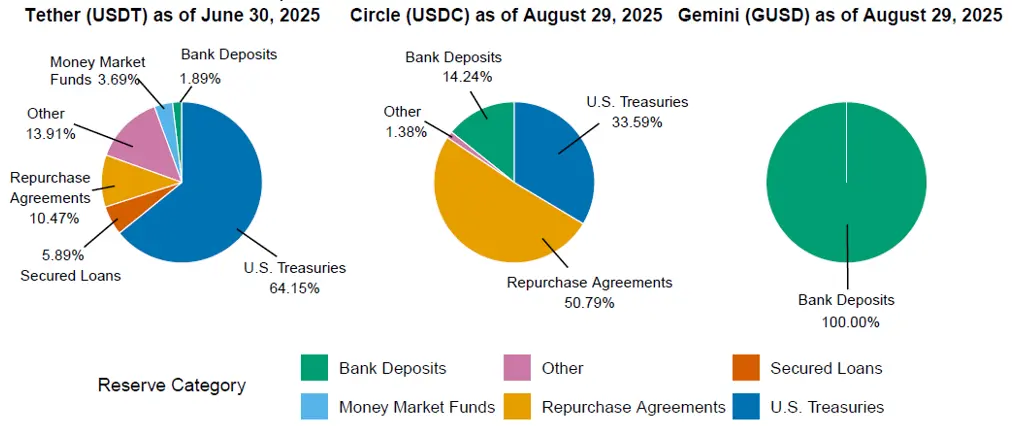
Source: Board of Governors of the Federal Reserve System
Lightning Network: From Bitcoin Payments to Dollar Highways?
The Lightning Network was originally designed to scale Bitcoin for fast, low-fee payments. However, with emerging technologies like Taro enabling stablecoins to operate on Lightning rails, the network may evolve into something broader: a neutral, global settlement layer for dollar denominated digital money.
Banks and institutions appear to be paying attention. Publications such as The Lightning Network: Turning Bitcoin Into Money increasingly frame Lightning as infrastructure rather than ideology.
This raises an uncomfortable but essential question:
Is Bitcoin unintentionally providing the rails for the next phase of dollar dominance?
The Dollar, Debt, and the Search for Buyers
For over a century, the U.S. dollar has benefited from immense network effects. Approximately 85% of Bitcoin’s supply was issued during a period when BTC was predominantly denominated in USD—a subtle but powerful historical fact.
Today, the United States faces a mounting debt burden exceeding $9 trillion in near-term obligations. With emerging blocs such as BRICS exploring alternative reserve currencies, demand for U.S. debt is no longer guaranteed.
A stablecoin market backed by U.S. Treasuries may offer a partial solution exporting digital dollars globally while maintaining demand for sovereign debt.
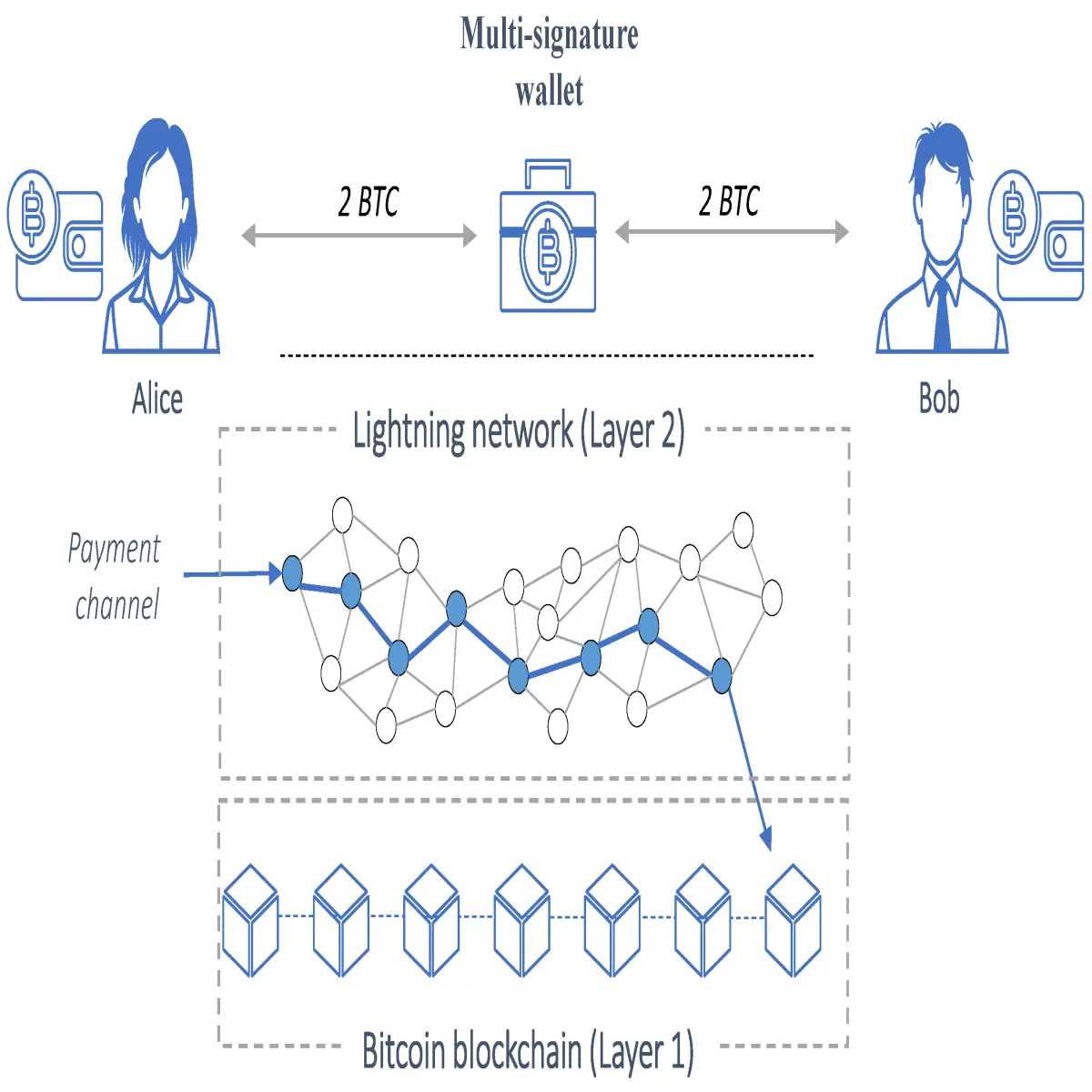
Source: Dasaklis, T.K. & Malamas, V. (2023). MDPI Journal
Conclusion
Stablecoins represent a fascinating contradiction. Built on crypto rails yet anchored in fiat reality, they may simultaneously undermine traditional banking while reinforcing U.S. monetary influence.
Whether this outcome aligns with Bitcoin’s original ethos remains open for debate. What is clear, however, is that the convergence of Lightning, stablecoins, and institutional capital is reshaping the global monetary landscape quietly, efficiently, and at scale.
References
Circle Transparency Reports – https://www.circle.com/transparency
BlackRock & Circle announcement – https://www.blackrock.com
IMF (2011) The Liquidation of Government Debt
BlackRock (2019) Dealing With the Next Downturn
Lightning Labs (Taro Protocol) – https://lightning.engineering






