
Depeche Mode - It's No Good
"It's No Good" is the third single from the ninth studio album by the British electronic band Depeche Mode, titled "Ultra," which was released in 1997.
This song became one of the band's most recognizable hits in the 1990s and reflected a new, darker, and "organic" period in their music.
Creation and Context (1995-1997):

Authorship: Music and lyrics were written by Martin Gore.
Difficult period for the band: The recording of the album "Ultra" took place during a very difficult period for Depeche Mode. In 1995, Alan Wilder, a key member responsible for studio arrangements, left the band. It was a huge blow. Moreover, Dave Gahan was struggling with severe drug addiction at the time, and his health was critical. In 1996, he suffered a clinical death from an overdose, but, fortunately, he survived and was able to begin the rehabilitation process.
The sound of "Ultra": The album "Ultra" was the first that Depeche Mode recorded together (Gore, Gahan, Fletcher) after Wilder's departure. They worked with producer Tim Simenon from the band Bomb the Bass, who helped them create a more "dirty", "lively" and bluesy sound, different from their previous work. This is especially noticeable in "It's No Good": it combines electronic beats with live guitars and Gahan's bluesy vocals.
The song's message: The song is about a complicated, addictive relationship where, despite the obvious unhealthy dynamics and pain, the partners are unable to break up.
The lyrics "I'm not looking for a cure for this, 'cause it's no good" (I'm not looking for a cure for this, because it's useless) and "You and I, we are one in the same, we're perfect strangers in a perfect game" (You and I, we are one, we're perfect strangers in a perfect game) perfectly convey this message.
The song is very personal and at the same time universal, reflecting the experiences of many people, as well as Dave Gaan's personal struggles during that time.
Release and Success:

Release Date: The single "It's No Good" was released on March 31, 1997.
Commercial Success: The song was a major success in Europe and worldwide. It reached number 5 on the UK Singles Chart and entered the top 20 in many other countries, including Germany, Sweden, Finland, and Spain. In the United States, it became one of the album's most notable hits.
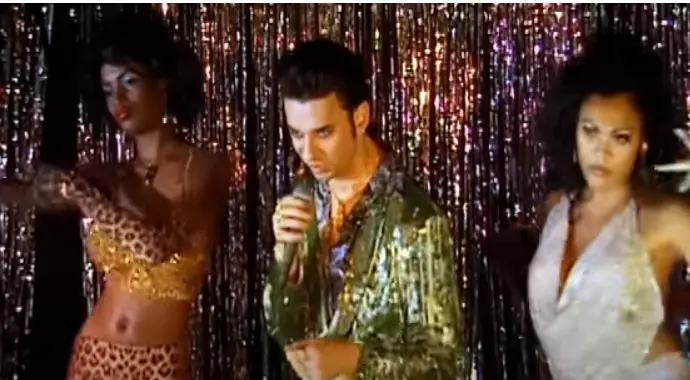
Music video: The director of the iconic music video was Anton Corbijn. The video, shot in black and white, shows the band performing in a provincial, dilapidated club in front of a small audience. This video became a metaphor for the band's return to their roots, their struggle and vulnerability, as well as an ironic contrast to their status as global stars.
Legacy and Influence:
A key track of the 90s: "It's No Good" became one of Depeche Mode's most iconic tracks during the 1990s. It showcased the band's ability to adapt and evolve despite internal challenges and the departure of a key member.
A concert favorite: The song remains a staple in the band's live sets and always elicits a strong response from the audience. Its slow-paced yet powerful groove and Gaan's expressive vocals contribute to its atmospheric appeal.

A symbol of resilience: The story behind the creation of the album "Ultra" and the song "It's No Good" is a story of resilience, overcoming, and creative rebirth. The song serves as a reminder that even in the darkest of times, there is strength to be found in creativity and moving forward.
- Thus, "It's No Good" is not just a hit, but an important document in the history of Depeche Mode, reflecting their complex yet fruitful transition period.






