
This article was compiled from a long-form Twitter thread. To read the original, visit this link: https://x.com/inv515/status/1890595322256060630
Managing De-Fi Risk: LTV Ratios.
A Thread
Part of your DeFi journey is managing risk. One key metric to understand is the Loan-to-Value (LTV) ratio.
Let's explore how smart LTV ratios are an important part of preventing liquidations on @KaminoFinance
1/10

What's LTV?
LTV represents the amount of money borrowed against your collateral.
It's the loan amount divided by the collateral value, expressed as a %.
EG, an LTV of 50% means you've borrowed half your collateral. It will shift slightly as the market fluctuates.
2/10

Why LTV Matters:
The LTV ratio is a safety buffer. It determines what you can borrow while keeping the loan secured against market shifts.
Higher LTV means you face more risk. Lower LTV means you have better protections & therefore less risk.
3/10

Role in Risk Management:
A lower LTV offers a larger buffer against market dips.
If the collateral's value falls below a certain point, the loan will be liquidated to repay the debt.
Given we want to avoid being liquidated, LTV has a direct role to play here.
4/10
Example:
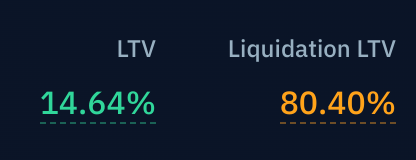
Let's say we deposit $1k worth of SOL & borrow against it with an LTV of 60%.
If SOL's price drops by more than 40%, the collateral might not cover the loan.
This will end up triggering liquidation.
5/10

Tools
There's a tool that's perfect for helping calculate these sorts of shifts.
It's called the price shock calculator & you'll find a link for it below.
Using this, you can accurately chart the impact of shifts on your portfolio.
Try it out.
https://risk.kamino.finance/Price%5FShock%5FAnalysis…
6/10
The Strategy:
Low LTV: Having a lower LTV (30%) can prevent forced sales during dips, protecting you from being liquidated at a loss.
Adjust LTV: Adjust your loan or add more collateral if the market moves against you. This is another chance to avoid liquidation.
7/10

Alerts & Monitoring:
Managing your positions is essential. Watch your LTV, especially when we hit an unexpected dip.
Alerts & bots can notify you when your collateral value nears critical levels.
This means you can take quick action to protect your capital when needed.
8/10

Let's face it, De-Fi can be....a little confusing.
Kamino spent plenty of time de-mystifying this process with user guides, documents & tutorials.
These resources make it much easier to get started.
9/10
Like this thread?
We post this & more to Telegram each day.
Come join the party! http://t.me/gimme%5Fcrypto
You can also get more threads like this by following @gimme_crypto_
End of Thread.
10/10






