
Bitcoin has once again reminded the market of a simple truth: crypto never moves in a straight line.
After months of pressure, the price of Bitcoin fell below $63,000 in early June 2026, dragging much of the broader crypto market down with it. For some investors, this kind of move feels like a warning sign. For others, it looks like the kind of opportunity that only appears when fear returns.
That is the uncomfortable beauty of crypto markets. The best entry points often feel emotionally difficult. When prices are rising, everyone wants exposure. When prices are falling, even long-term believers start questioning their conviction.
So, is this drop a reason to run away from crypto? Or could it be one of those moments when patient investors begin to build positions carefully?
The answer depends less on the price of Bitcoin today and more on the way you think about risk, time and discipline.
A Falling Bitcoin Does Not Automatically Mean a Broken Bitcoin
When Bitcoin drops sharply, the headlines usually become dramatic. Words like “crash,” “collapse” and “panic” quickly take over. Social media makes the move feel even worse, because every red candle becomes a reason for someone to predict the end of the market.
But a falling price does not automatically mean the investment thesis is dead.
Bitcoin has gone through several violent corrections throughout its history. Some were caused by excessive leverage, others by macroeconomic stress, regulatory pressure, exchange failures or simply overheated speculation. Each time, the same question returned: is Bitcoin finished, or is the market resetting?
The current weakness comes after a difficult period for risk assets and digital assets in particular. Investors have been more cautious, liquidity has tightened, and enthusiasm around crypto has faded compared with previous phases of the cycle. Bitcoin’s decline has also been amplified by liquidations, meaning leveraged traders were forced out of their positions as the price moved against them.
That kind of forced selling can make a correction look more brutal than the underlying investor base actually suggests.
This does not mean the market cannot fall further. It absolutely can. Bitcoin remains volatile, and anyone investing in crypto must accept that drawdowns are part of the game. But volatility alone is not the same thing as failure.
The real question is whether Bitcoin’s long-term role still makes sense.
For many investors, Bitcoin remains attractive because of its fixed supply, global liquidity, institutional recognition and independence from any single government or central bank. For others, it is still too speculative, too volatile and too dependent on market sentiment.
Both views can exist at the same time.
That is why the decision to invest should never be based only on the fact that the price has fallen. A lower price can create opportunity, but only if the asset still fits your strategy.
Why Corrections Can Be Useful for Long-Term Investors
Most people say they want to buy low and sell high. In reality, very few are comfortable buying when prices are actually low.
That is because falling markets create emotional pressure. Investors start imagining worse scenarios. They wonder whether they should wait for an even lower price. They compare today’s chart with past crashes. They hesitate, delay and often end up doing nothing.
Yet for long-term investors, corrections can be useful.
A market decline removes some excess. It reduces speculative leverage. It cools down unrealistic expectations. It forces weak projects, overexposed traders and short-term narratives out of the market. In that sense, corrections are painful but often necessary.
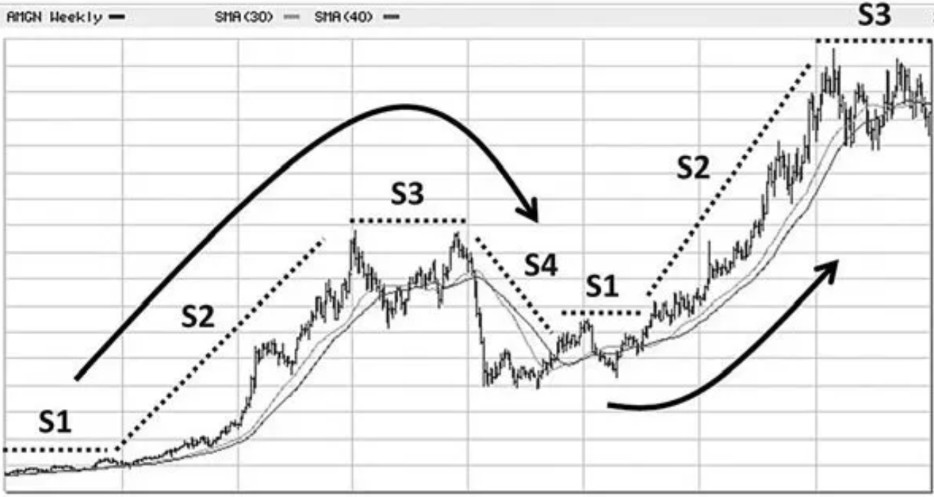
For Bitcoin specifically, major pullbacks have historically offered better long-term entry zones than periods of euphoria. That does not mean every dip should be bought blindly. It simply means that fear-driven markets tend to offer more attractive risk-reward conditions than euphoric ones.
The key is not to guess the exact bottom.
Very few investors can do that consistently. A more realistic approach is to build exposure gradually. Instead of putting all available capital into the market at once, some investors prefer dollar-cost averaging: buying smaller amounts over time, regardless of short-term price movements.
This method has two advantages.
First, it reduces the emotional pressure of trying to be perfectly timed. Second, it allows investors to benefit if prices fall further while still gaining exposure if the market rebounds earlier than expected.
In crypto, patience is often more valuable than precision.
A disciplined investor does not need to catch the bottom. They need to survive the volatility, avoid reckless leverage and maintain enough cash to act when fear becomes extreme.
The Risks Are Real — and Ignoring Them Would Be a Mistake
Buying during a correction can make sense, but it should never be treated as a guaranteed winning strategy.
Crypto remains one of the most volatile asset classes in the world. Bitcoin can fall much more than traditional investors expect. Altcoins can fall even harder. Some projects never recover after a major downturn.
This is why risk management matters more than excitement.
The first rule is simple: never invest money you cannot afford to lose. Crypto can create impressive upside, but it can also destroy capital quickly, especially for investors who enter without a plan.
The second rule is to separate Bitcoin from the rest of the market.
Bitcoin is the most established crypto asset, with the deepest liquidity and the strongest institutional recognition. That does not make it risk-free, but it gives it a very different profile from smaller tokens. Many altcoins depend heavily on hype, incentives, liquidity and community attention. When the market turns bearish, those assets can suffer dramatically.
The third rule is to avoid leverage unless you fully understand the consequences.
Many brutal crypto sell-offs are made worse by liquidations. Traders borrow money to increase their position size, the market moves against them, and their positions are automatically closed. This creates additional selling pressure and can accelerate the decline.
For long-term investors, leverage is often unnecessary. The asset is already volatile enough.
Finally, investors should remember that macro conditions matter. Bitcoin does not exist in isolation. Interest rates, inflation, the U.S. dollar, ETF flows, regulation and global liquidity all influence crypto markets. A strong Bitcoin thesis can still face short-term pressure if the macro environment becomes hostile.
That is why investing during a downturn requires humility. The opportunity may be real, but the uncertainty is real too.
The Smarter Question: Not “Should I Buy?” but “How Should I Invest?”
The most common question during a Bitcoin correction is: “Is now the right time to buy?”
A better question is: “What kind of investor am I trying to be?”
If someone wants quick profits, a falling market can be dangerous. Short-term rebounds are possible, but volatility can be violent and unpredictable. Without experience, traders can easily get trapped between fear and greed.
If someone has a multi-year horizon, the answer may be different. A correction can become a chance to accumulate gradually, especially if the investor believes Bitcoin will remain relevant over the long term.
But even long-term conviction needs structure.
A serious crypto strategy should define several things before buying: how much capital to allocate, how often to buy, which assets to hold, where to store them, when to rebalance and what conditions would invalidate the investment thesis.
Security also matters. Buying crypto is only one part of the process. Investors must also think about custody, exchange risk, hardware wallets, seed phrase protection and personal privacy. A good entry price means very little if the funds are later lost through poor security.
For beginners, the simplest approach is often the most effective: focus on education first, start small, avoid leverage, prioritize Bitcoin and Ethereum before exploring riskier assets, and build positions over time rather than all at once.
In crypto, survival is a strategy.
The investors who last are not always the ones who make the boldest calls. They are often the ones who stay disciplined when everyone else is emotional.
A Market Drop Can Be a Warning — or an Opening
Bitcoin’s fall below $63,000 is not something to ignore. It reflects real market stress, weaker sentiment and a more difficult environment for crypto investors.
But it is not automatically a reason to abandon the asset class.
For short-term traders, the market remains risky and unstable. For long-term investors, however, corrections can offer opportunities — provided they are approached with patience, discipline and realistic expectations.
The worst mistake is to invest out of panic. The second worst mistake is to do nothing out of fear without ever building a plan.
Crypto rewards conviction, but it punishes arrogance. It rewards patience, but it punishes overexposure. It offers opportunity, but never without risk.
So, is this the right time to invest?
Maybe.
But only for investors who understand what they are buying, accept the volatility and have a strategy that can survive more than one red candle.






