
Imagine a hacker who manages to steal $40 million in cryptocurrencies from a major decentralized exchange, only to return the loot days later. This isn’t a movie script, but exactly what happened recently with the GMX platform. How could such a dramatic turn of events unfold in the real world? Let’s take a closer look behind the scenes to understand the sequence of events, the motivations involved, and the lessons for the entire crypto ecosystem.
How Was the GMX Hack Made Possible?
On July 9, 2025, GMX—a leading decentralized trading platform—fell victim to a highly sophisticated attack targeting its V1 protocol on the Arbitrum network. The perpetrator didn’t strike at random: instead, they identified a subtle but critical vulnerability in GMX’s liquidity pool. By exploiting this weakness, the hacker was able to manipulate the price of GLP tokens, the platform’s native liquidity token, and drain various digital assets. The stolen assets included stablecoins, wrapped Bitcoin (WBTC), and wrapped Ethereum (WETH), highlighting the versatility and reach of the exploit.
The attack unfolded in a matter of minutes, as the hacker executed a series of well-orchestrated transactions. By manipulating the pool, they were able to withdraw much more value than they initially deposited, using a combination of flash loans and on-chain arbitrage. The rapidity and complexity of the exploit meant that the platform’s safeguards were not triggered in time to halt the withdrawals.
By the time GMX’s team identified and contained the attack, the damage was done: approximately $40 million had been siphoned from the protocol’s coffers. For many observers, the incident underscored just how challenging it is to guarantee the security of decentralized platforms—despite ongoing audits, bug bounties, and increasingly sophisticated security protocols.
In the immediate aftermath, GMX’s team sprang into crisis mode. They froze vulnerable smart contracts, alerted users, and began a painstaking investigation into the method of attack. The hack also reignited debate within the DeFi community about the need for constant vigilance, open-source audits, and better incentives for white-hat hackers to report vulnerabilities responsibly.
Why Did the Hacker Return the Stolen Money?
In a surprising twist, the GMX team chose to open a dialogue with the hacker. Recognizing the difficulty—and often futility—of recovering stolen crypto through legal or technical means, they made a public offer: if the attacker returned the majority of the funds, they would receive a $5 million “white hat” bounty, along with a promise of no legal pursuit.
This approach is increasingly common in the world of DeFi, where traditional law enforcement has limited reach. The rationale is pragmatic: recovering funds for users is the top priority, and negotiating directly with hackers—treating them as “ethical” actors, at least temporarily—sometimes proves the most effective route.
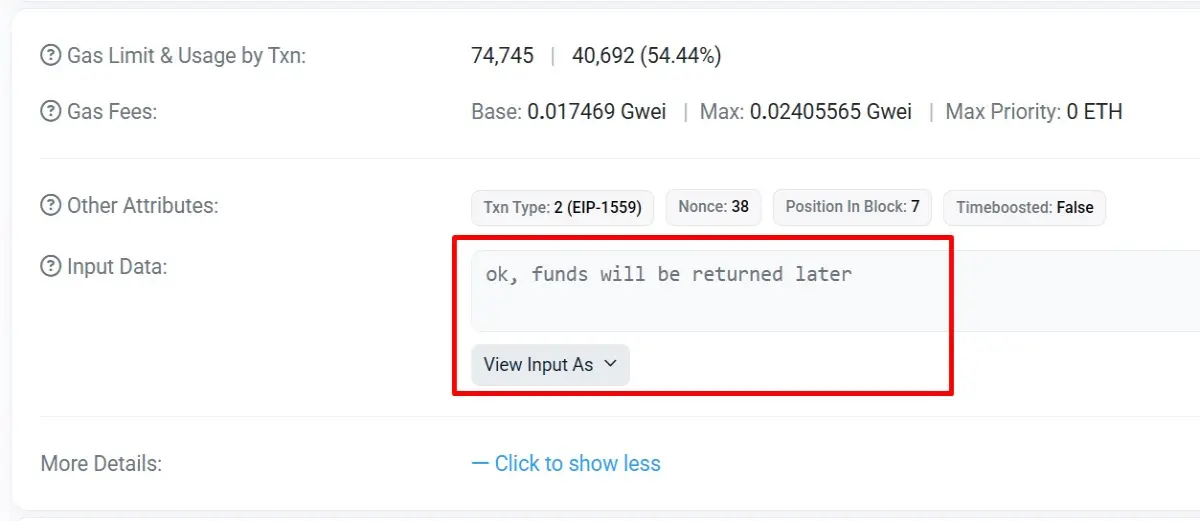
Remarkably, the hacker accepted the offer. On-chain messages revealed that they intended to return the assets, and shortly after, significant transfers began. Over $9 million in Ether and more than $10 million in FRAX tokens were sent back to GMX’s wallet, followed by other assets over the following days. In total, the majority of the stolen funds were eventually recovered, though not all assets made their way back.
Why would a hacker return such a substantial sum? Several possible motivations exist: fear of being tracked down as blockchain forensics become more advanced; a desire to avoid legal trouble; or, in some cases, a wish to be seen as a “white hat” rather than a criminal. The promise of a multi-million dollar bounty—essentially a legal and lucrative payout—can be highly persuasive.
This episode once again brought into the spotlight the complex ethical and legal questions surrounding crypto hacks. Are white hat bounties rewarding criminals, or are they a necessary evil to protect users in an imperfect system?
Lessons for the Crypto Industry: Security, Speed, and the Limits of Bounties
The GMX incident delivers several important lessons for the broader crypto industry, many of which are likely to shape best practices going forward.
1. Security Must Be a Constant Priority
Even the most reputable platforms are not immune to vulnerabilities in their smart contracts. The complexity and composability of DeFi protocols mean that new attack vectors emerge all the time. Rigorous, ongoing security audits, peer reviews, and incentivized bug bounty programs are indispensable. Platforms must also engage their communities, encouraging users and external developers to scrutinize code and report potential issues before attackers can exploit them.
2. Speed and Transparency in Crisis Response
The speed at which GMX’s team identified the attack, communicated with the community, and moved to contain the damage was crucial in limiting losses and restoring user trust. Transparent crisis communication—regular updates, clear explanations, and honest acknowledgment of what happened—helps reassure users and stakeholders. In this case, GMX’s prompt response and openness likely helped the platform avoid a deeper reputational crisis.
3. The Double-Edged Sword of White Hat Bounties
Offering a bounty to hackers may facilitate the recovery of stolen funds, but it raises uncomfortable questions. Does this practice incentivize malicious actors to stage attacks in the hopes of negotiating a payout? Or is it a practical tool in an industry where legal recourse is limited? The debate is far from settled. Some experts call for standardized bounty programs and clear guidelines for white hat negotiations to ensure they are not abused.
4. A Community in Transition
Ultimately, incidents like these highlight that the crypto ecosystem is still maturing. Each crisis, however, is an opportunity to raise standards, improve transparency, and develop better mechanisms for user protection. The GMX hack is likely to be studied for years as a turning point in how DeFi platforms respond to and learn from major security incidents.
Market Impact and Investor Confidence: Resilience Amidst Crisis
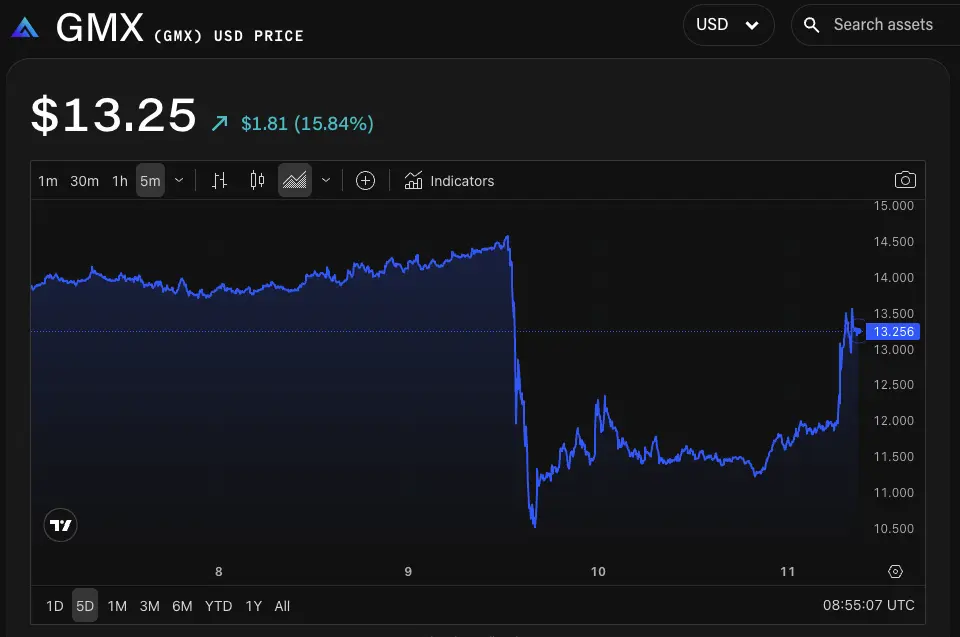
The immediate market reaction to the hack was predictably negative: the price of GMX’s native token plunged as news spread of the exploit and the potential loss of tens of millions of dollars. But, in a testament to the growing resilience of the crypto sector, the token’s value recovered significantly once the majority of funds were returned and the platform issued reassuring updates.
Major cryptocurrencies like Bitcoin and Ethereum barely flinched, continuing their upward momentum. This suggests that the market has matured; investors are increasingly capable of distinguishing between isolated incidents and systemic risks. Rather than triggering a sector-wide panic, the GMX hack became a localized crisis—serious for the platform and its users, but not for the entire market.
Several analysts have pointed out that this episode demonstrates the increasing professionalism of both crypto teams and their communities. Swift, transparent communication, coupled with effective action, can restore confidence even after high-profile setbacks. The fact that GMX weathered the storm so quickly may even be interpreted as a sign of growing faith in the sector’s ability to respond to adversity.
Looking Forward: Are Hacker Bounties the Right Solution?
The decision to offer bounties to hackers remains controversial. On the one hand, it’s a practical way to recover user funds in an environment where law enforcement has little jurisdiction and blockchain transactions are irreversible. On the other, it risks normalizing a cycle of “hack, negotiate, payout”—potentially incentivizing more attacks in the long run.
As the industry continues to evolve, platforms may need to develop more robust, standardized frameworks for dealing with such incidents: clear rules for when and how bounties are offered, transparent negotiation processes, and a stronger focus on proactive security. Regulatory clarity may also help, providing guidelines for legal immunity in exchange for cooperation and return of funds.
For now, the GMX hack is a stark reminder: the promise of decentralization brings immense opportunity, but also unprecedented risk. The path forward will require collaboration between developers, users, regulators, and even—at times—those who break the rules.
What do you think about the practice of offering bounties to recover stolen funds? Is it a necessary compromise for protecting users, or a dangerous precedent that could undermine the integrity of the crypto ecosystem? Join the debate and share your perspective.






