
From a prudent financial perspective, paying for a home in cash removes the guaranteed cost of debt which is more of a sure thing than any potential investment return. This choice is not just about dollars and cents, but about reducing risk and gaining stability in an unpredictable world.
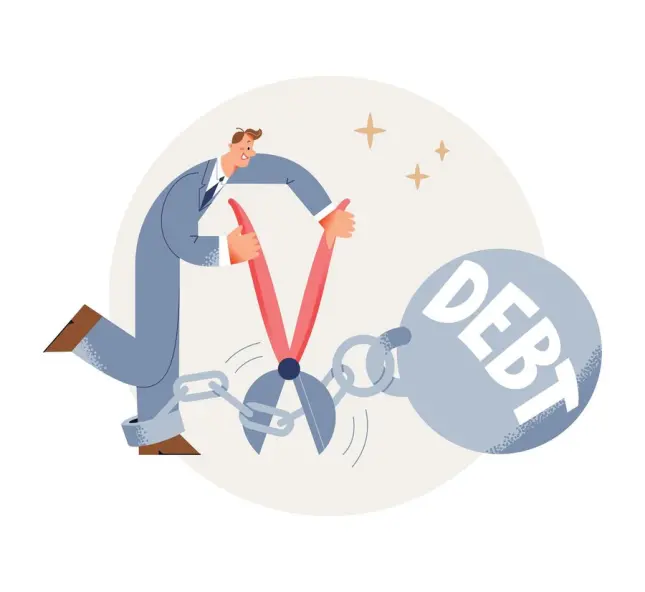
Image Source: studio4rt
While the financial implications of homeownership are significant on a personal level, there are broader societal impacts that cannot be ignored. The increasing reliance on mortgages and the rising cost of housing have created a wealth trap, particularly for less affluent individuals and families.

Image by RDNE Stock Project
As housing prices increase, many find themselves caught in a cycle of debt where their home is their primary asset but it is also a huge liability. For those without significant wealth to fall back on, this often leads to long term financial instability. The promise of homeownership as a way to build wealth, which was once within reach for many, has become unattainable for the middle and lower classes. Instead of creating wealth, rising home prices and mortgages exacerbate wealth inequality by forcing people to stretch their finances beyond what is sustainable.

Image Source: storyset
For the less affluent, mortgages are not a way to build wealth. They are a way to trap individuals and families in a perpetual cycle of debt, often without the means to accumulate significant assets or invest in other opportunities. This dynamic only deepens as housing prices continue to rise creating a growing divide between those who can actually afford to purchase property and those who really cannot(4).
The stress and financial strain that come with taking on a mortgage also have real world effects on family life. For many, the heavy burden of debt can delay family formation as the costs of homeownership take priority over having children, securing childcare, or investing in education. Parents may find themselves postponing or even redefining their life goals to meet financial obligations which can have lasting effects on their overall happiness and well being.
In a world where young people already face high costs of living, student loan debt, and rising healthcare expenses, the additional pressure of a mortgage can push back family plans. For those who are already struggling to make ends meet, even the thought of starting a family can seem financially unfeasible. As a result, we see a generation of individuals choosing to delay or even forgo major life milestones such as buying a home, having children, or saving for the future because the financial strain of debt is simply too great(5).

Image Source: Freepik
- Horton, C. (2024). The Silent Strain: How Debt Takes A Toll On Mental Health. Forbes Advisor.
- Alhassan, Y. (2023). How Debts Affect Family Relationships Negatively. Happy Family and Money.
- Ermey, R. (2023). Self-made millionaire who paid off $300,000 in loans: Tackle debt first, then invest—’humans suck at multitasking’. CNBC.
- Maclennan, D., & Long, J. (2024). How does the housing market affect wealth inequality? Economics Observatory.
- Antoni, E. (2024). The Housing Crunch Is Causing Americans To Delay Marriage and Children. The Heritage Foundation.
- Guttag, K. (2022). US Mortgage Rates vs. Inflation. KGOnTech.






