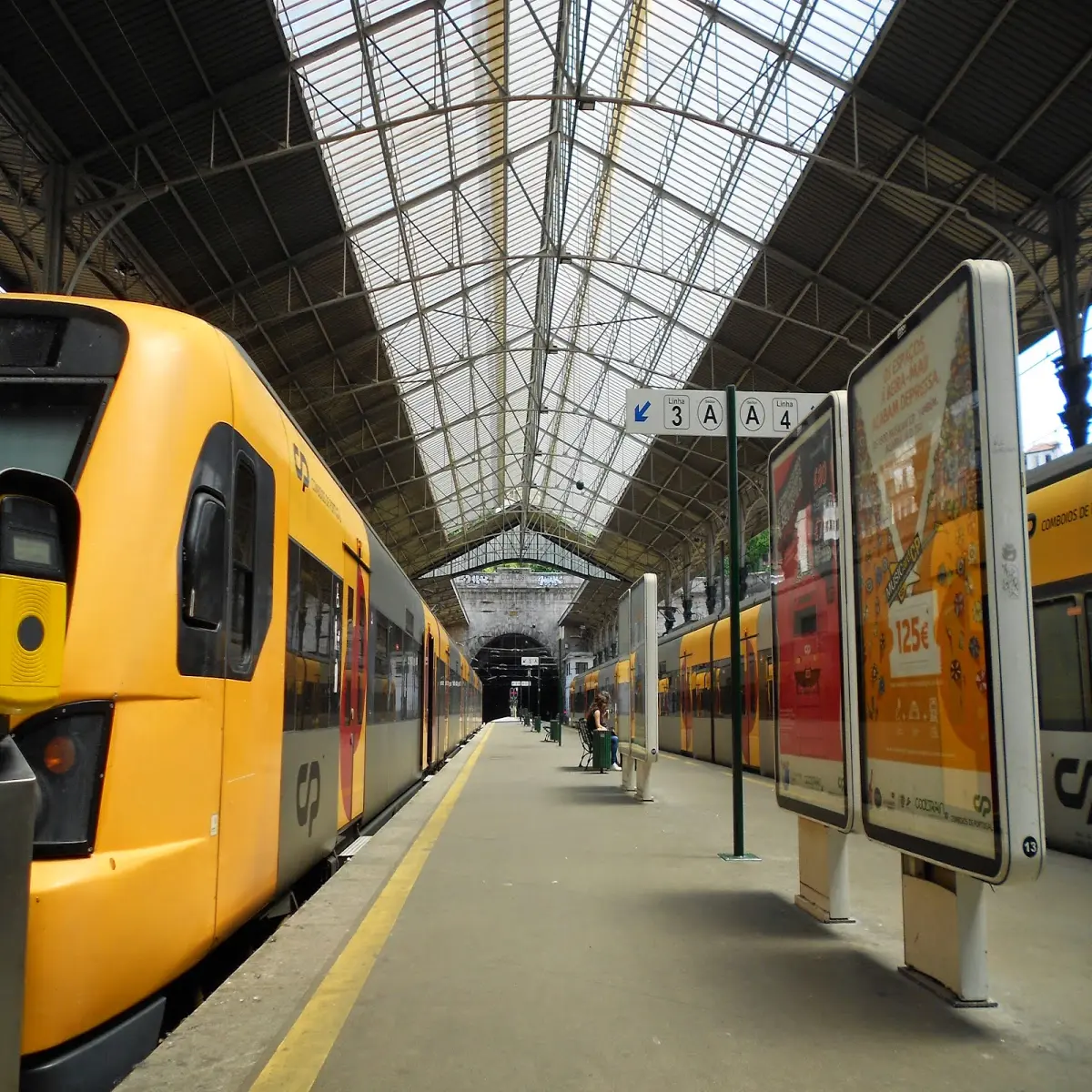
Most tourists who arrive at the Porto Railway station get off at Sao Bento, which is located in the heart of the historic city, near Avenida Aliados and the Porto Cathedral. Immediately, they start taking photos of the walls of the station's lobby, decorated with azulejos.
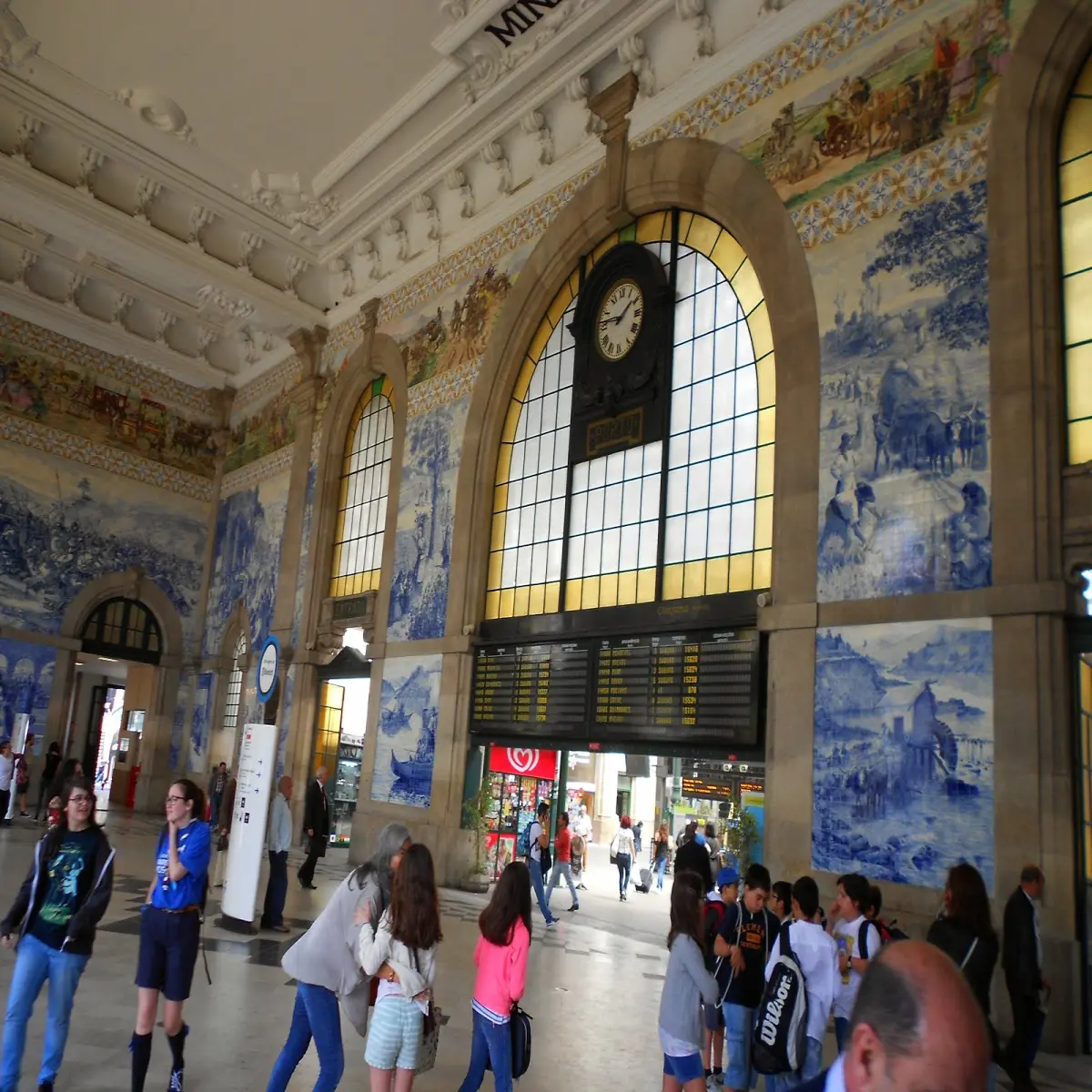
The word "azulejo" means Portuguese tile, typically in the shape of a square. This tile painting technique was brought to the Iberian Peninsula by Arabs and perfected over centuries, reaching its peak in the mid-19th century. These tiles are painted in contrasting white and blue colors.
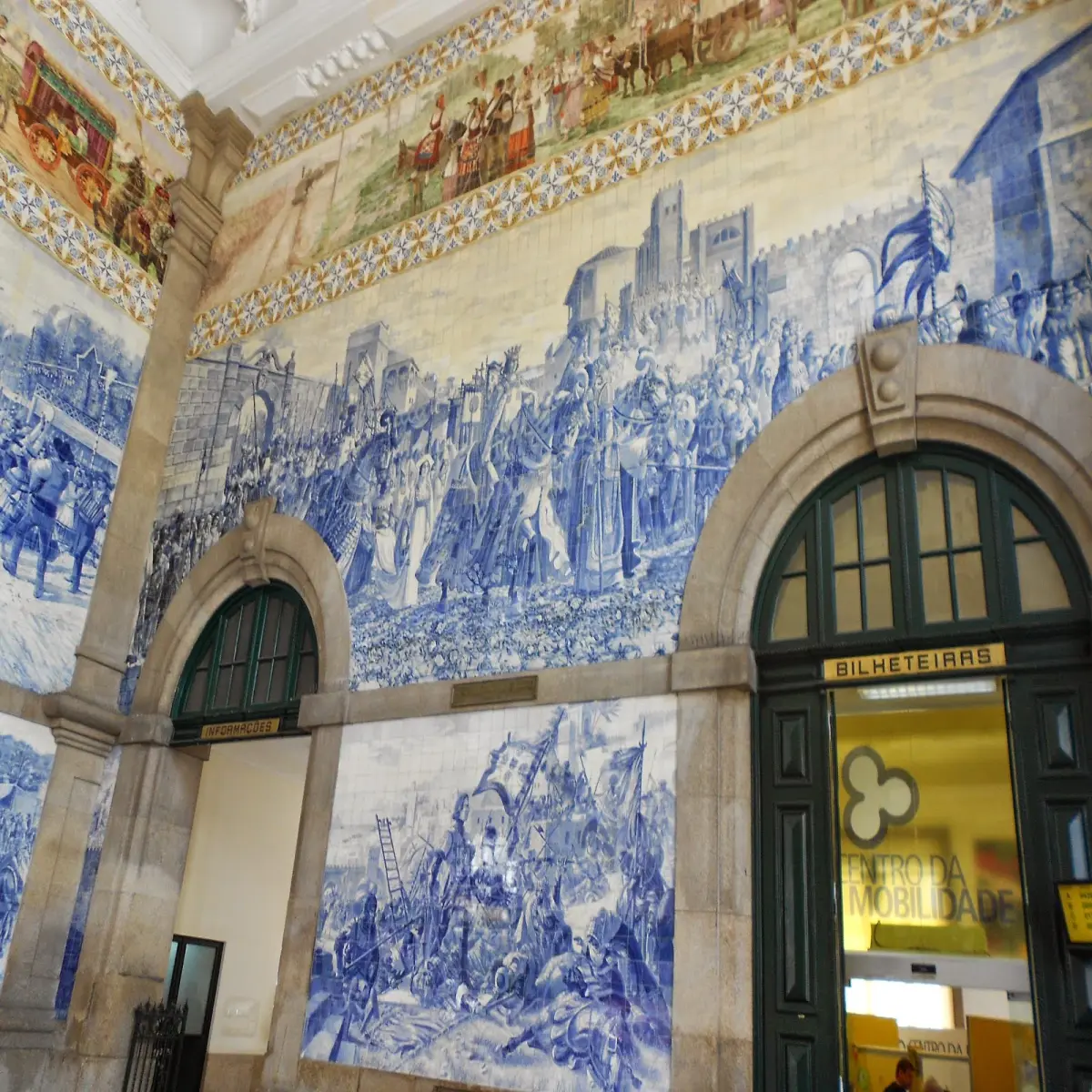
Jorge Colaso, a famous Portuguese artist, used 20,000 of these tiles to decorate the train station's interior, creating one of the most impressive examples of this style.. The walls, covering an area of 551 square meters, depict various scenes from Portuguese history, including the conquest of Ceuta, the wedding of King João I and his son Egas Moniz in front of the kings of Leon and Castile, as well as ethnographic sketches from the Douro and Minho regions and the history of transportation in Portugal.
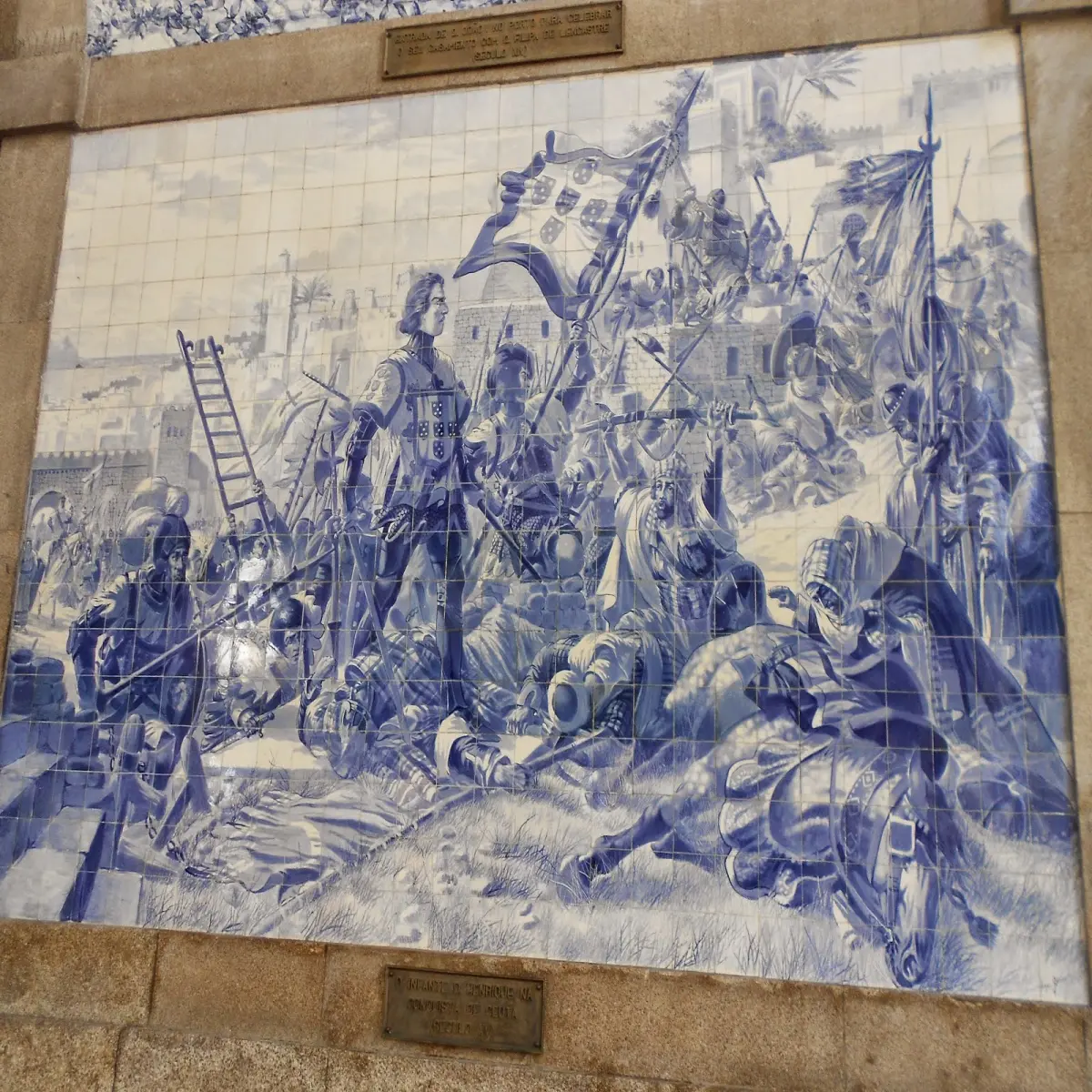
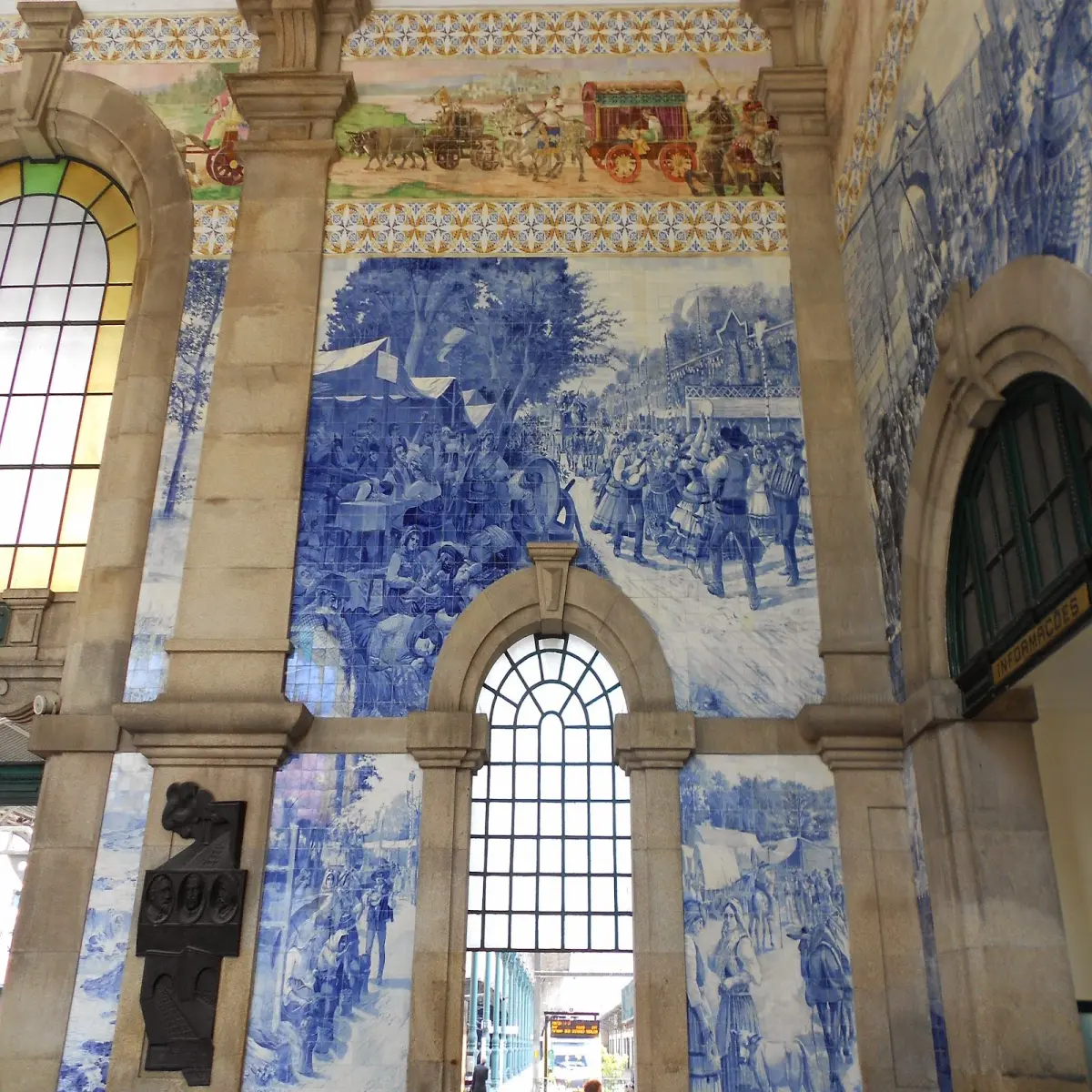
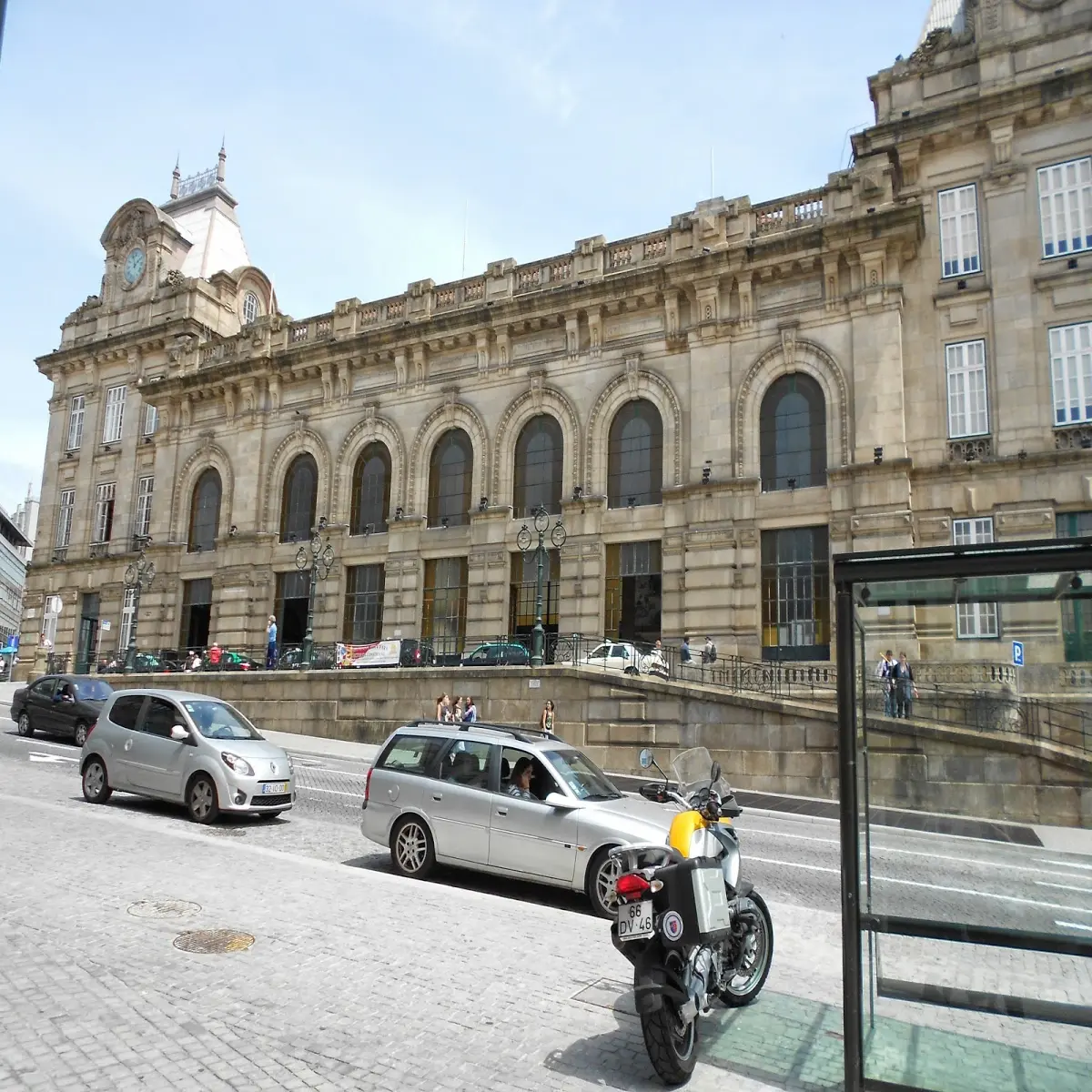
The Sao Bento railway station was built in 1916 by Portuguese architect Jose Marques da Silva in accordance with the spirit of the time, influenced by the popular French architectural trends at that time. In 2010 and 2011, the tiles at the station underwent restoration, and new colors were applied. It was no coincidence that the American magazine "Travel + Leisure" recognized the station as one of 16 of the most beautiful train stations in the world in their online publication.
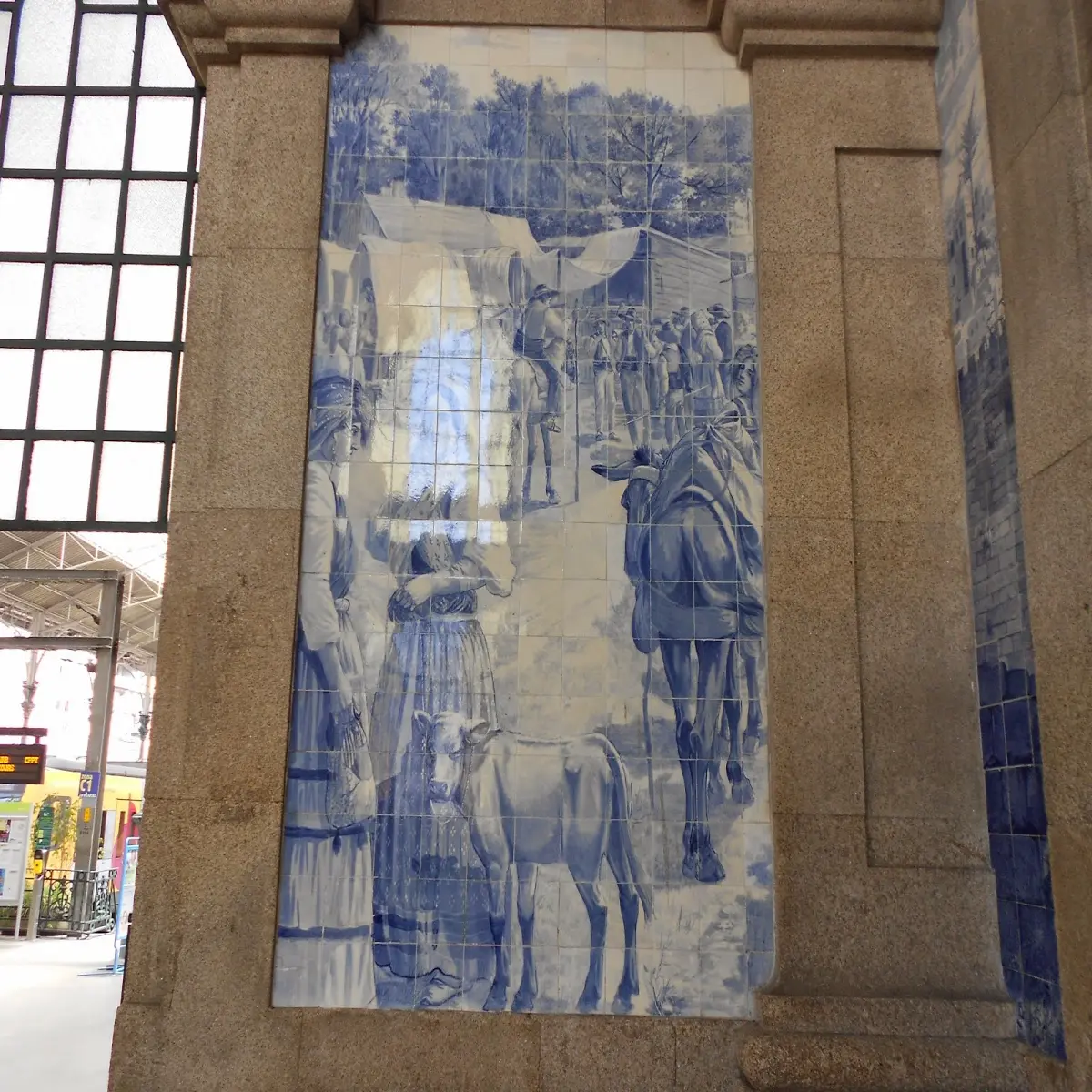
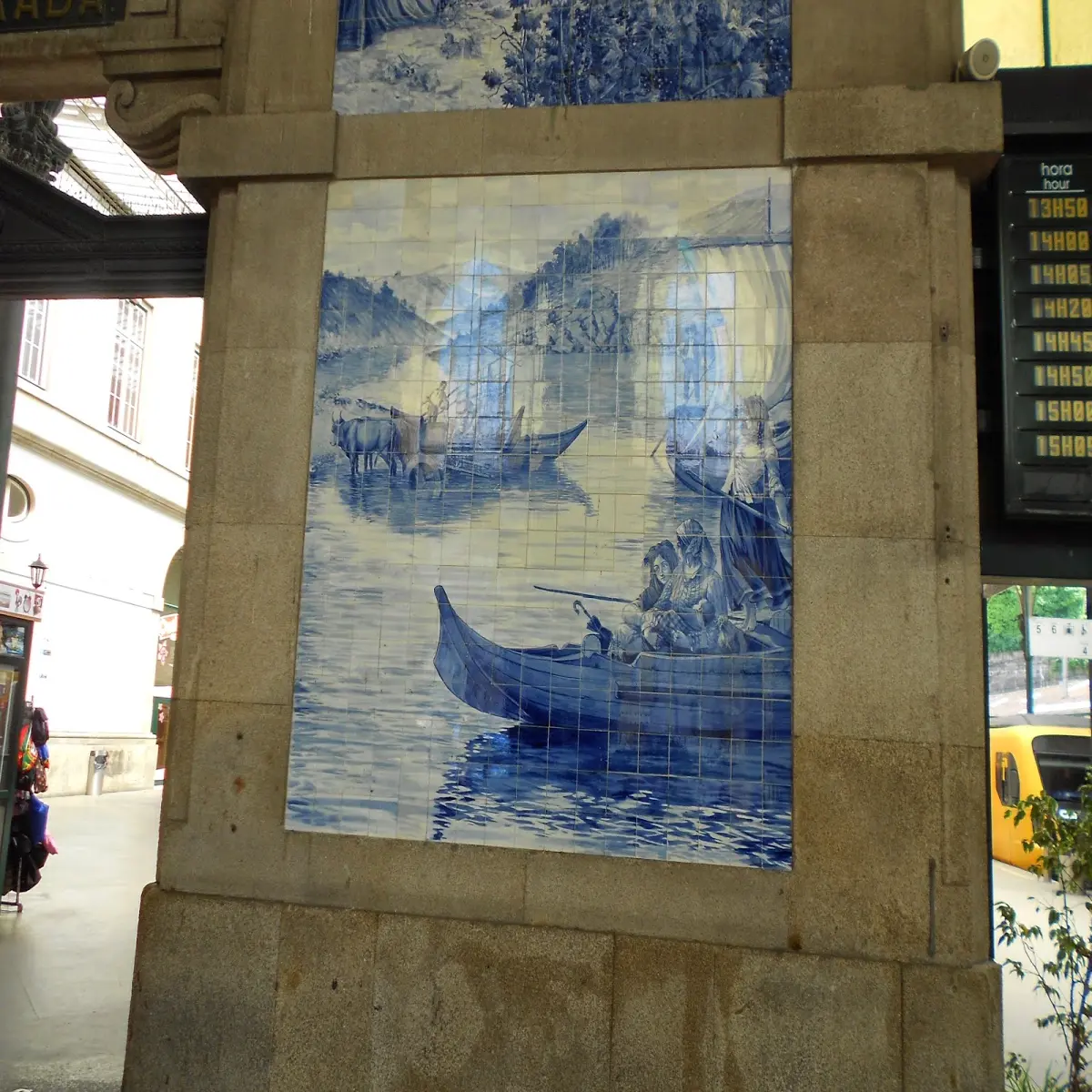
If the exterior of the building evokes memories of Parisian architecture from the 19th century, with its mansard roof and ornate stone facade, the interior hall captures our attention and makes us appreciate the uniqueness of the structure.