
Not a lot of time to get this done for 2024, so likely it will be mid terms 2026, given all the vote reform 'foot dragging' going on.
Two steps forward, one step backward.
I introduced an early hybrid paper+bio-metrics+e-voting+dlt concept describing the way to fix voting by the 2022 MidTerms back in late 2020 receiving many views and tips in the process, still a cursory search of the web tells me progress in this direction in the USA at the state level is, in a word, glacial.
The Current Sad State of Voting 'Selections': Programmed outcomes, to hell with the actual vote
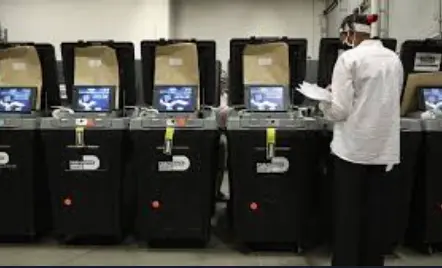
The Dominion (and various licensees) Tabulation Machine Rigging in 2016 didn't quite work as well in 2016 as it did in 2020. These Machines were re-calibrated and worked well in some states in 2022, together with bogus mail in ballots to ensure the US senate stays marginally in Blue hands, for now.
Maybe the Constitution in the US and application of the "Rule of Law" in a fair transparent manner will prevail, whoops I must be high, on something.

Frankly, until current voting systems get converted to some combination of distributed public ledger 'blockchain' with ID bio-metrics and a forensic water mark paper ballot cross reference, governed by same day only voting, imo we will always be in the same selection mess.

In the GWN (aka Canaduh), I can say that cuz its my home planet) most of the voting public thinks they are using a 'trusted' paper voting method and that system is 'honest', until the paper gets stuffed in Dominion tabulation machines, where the end result selects Baby Castro. Sadly, based on current search results In the US, 2024 will be largely the same selection battle, just different flavors, state by state.
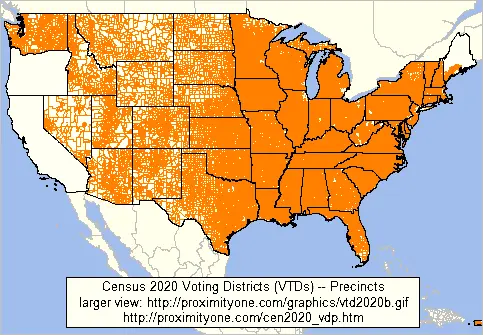
Referendum by Voting Precinct: A Few ideas on how to fix this mess, for anyone interested..
imo the current voting system and method needs to be changed 'bottom up', grinding it out 'voting precinct by voting precinct', in each state.
Before that can happen, as state legislation has it, 'the people' need to apply lobbying pressure in the 'court of public opinion' mostly at the local level, to get their current state regime to implement a state vote legislative approved people's referendum vote per precinct, rolled up through their state house representatives into a state wide house vote. Also
Imo that rolled up referendum needs to be governed to produce a winner with 67% per precinct referendums majority vote enabling the voting system method to change into the above mentioned form. Then each state precinct need to issue a state legislature crafted RFP/RFQ calling for bids to create a new state wide voting systems transparently.
Each precinct locally must present the submissions in public town halls, get feed back from voters, and then via local committee hire independent third party experts to test and present results with pros and cons of various submissions, present the results to the local precinct public and let them vote locally by referendum again as to which of "THREE" systems best works for them, with 67% majority for the Three Selections, carved out through rounds of hand counted, multi-party observed/scrutinized paper voting, the 'good ole fashion' paper way.
In the proposed hybrid replacement concept, the first "transformation" phase precinct vote result is accurately controlled by having a voted committee multi-signature submission of tokens placed on an existing trusted public distributed ledger, with the public ledger "blockchain" composite results discussed by the state legislature representatives, where the state house then votes in rounds to select "Three" choices with an aggregate 67% majority , to select a new state wide "heterogeneous" voting system, where the precincts can then vote in rounds again, to implement one of three state legislature selected systems approved for use to vote at the precinct level.
At the precinct level, the bids received from the three various vendors must come with complete disclosure by each vendor, be completely open source, include complete details of ownership control. Again each precinct decides in their own public referendum, with the people voting for their choice from the three, with rounds of voting dropping off until one vendor submission achieves 67% majority.
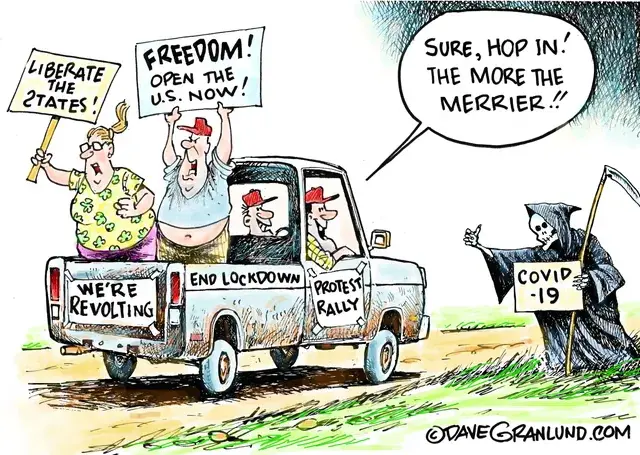
The More the Merrier: #Cosmos #Chainlink can do the distributed public ledger recorded vote 'roll-ups' securely, in theory
The good new is there are lots distributed public ledger open source software solutions to choose from out there which could be employed by the states in the US to fix the current selection process and transform the voting systems into true elections by the people, for the people.
The above suggested process detailed above will yield the benefit of getting the voting public at precinct level engaged and educated about distributed public ledgers and the blockchain, specifically teaching the voting public how 'blockchains' in public form can very much help add the much needed Transparency and Security to precinct and state wide voting systems, if integrated properly with the mandatory use of Bio-metric IDs and same day paper ballot voting.
The Exceptions?
People living in state incapable of getting to the polls to vote in person due to health reasons, those people can still vote early, where the bio-metric and paper ballot voting booth comes to their door step, with a mobile voting system run over one month before the final voting day, which is signed up and scheduled like grocery deliver in precinct, during the 90 to 30 days before that "Vote Early and Local at your Door/house call" vote method. Heck Doctors used to make house calls, many nursing organizations do it regularly, so the local voting precinct committee can hire locals to run mobile voting booth programs for one month leading up to the election day vote.
For those private individuals out of state or abroad overseas, the same variant applies where the consulate or embassy serves the same purpose.
For those in the military, the same mobile voting booth can be used with bio-metrics and paper ballot over the same one month period leading up to the in person voting day. Votes recorded on state blockchains are then simply manually counted in public and rolled up within a few minutes to determine the nationwide voting outcome, as the polls close through the various time zones across the country.
ok that's my 3 cents and I am stickin' to it..
TK over and out...






