
One of my most favorite birds to photograph but is getting more difficult to find is the Cerulean Warbler. Over the past decades, the population of these birds are decreasing due to habitat loss. These birds are also difficult to find and photograph because for the most part, they usually stay high up in the canopy of forests. Their beautiful color of blue is just so eye catching, it amazes me to see one in front of me. When I spotted this bird low to the ground, I waited it out by sitting in over growth for 3 hrs, pulling over 7 ticks off of me and God knows what else crawled on me and in my hair but my patience paid off. The Cerulean Warbler finally made its way to my area and was about 15ft in front of me. The bird was so close, my lens had a difficult time to focus on it and I was losing the lighting of the day also, so it was now or never. This was an opportunity that I may never have again being this close to a Cerulean Warbler. DAMN the ticks, I will pick them off later :):):)
Here is one of my favorite birds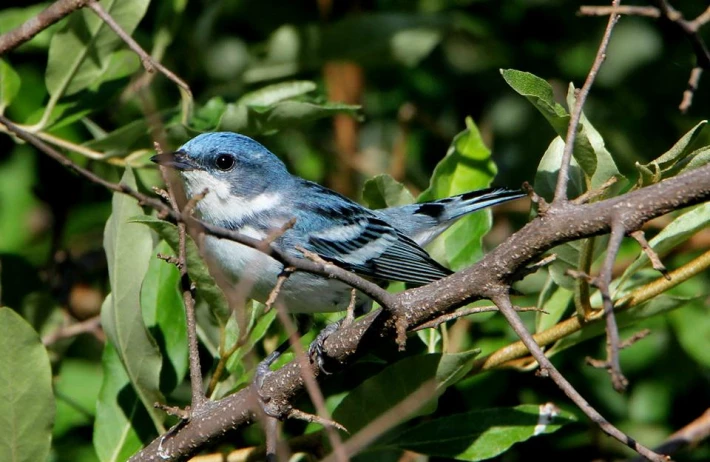
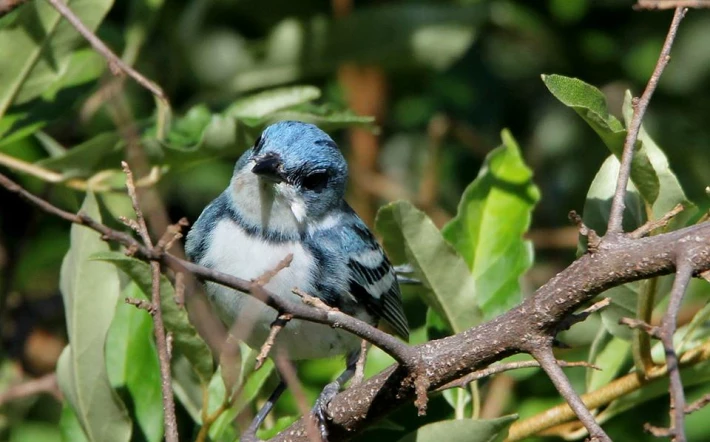
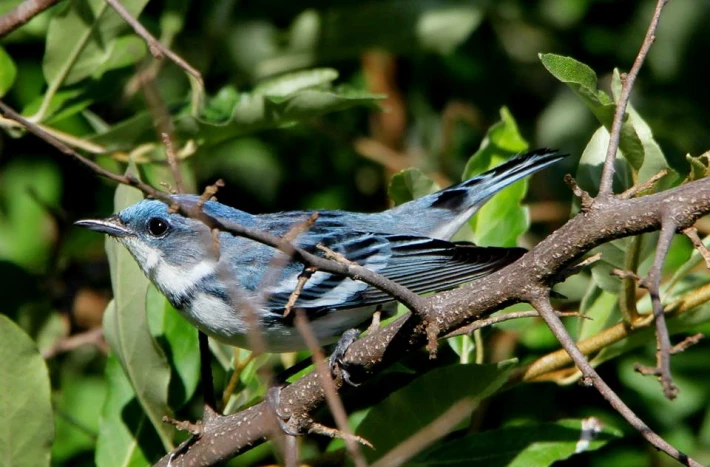
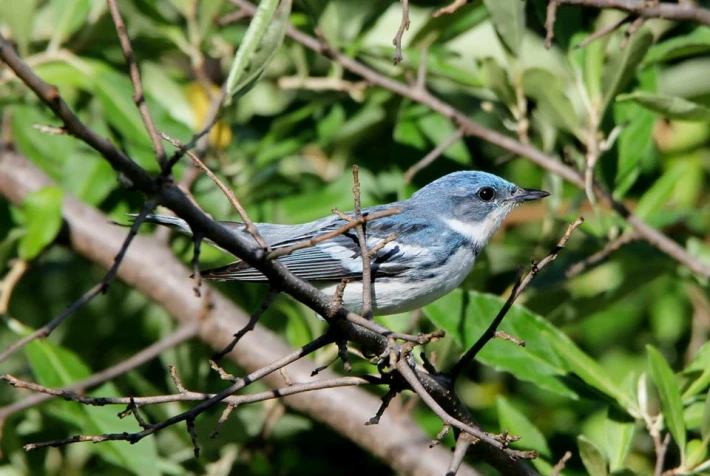
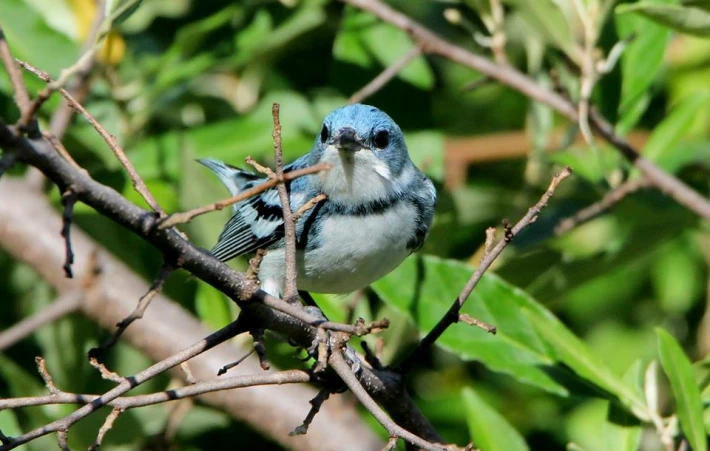
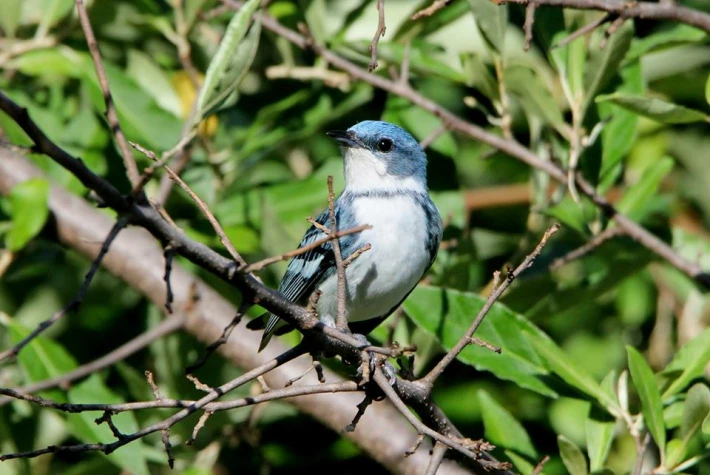
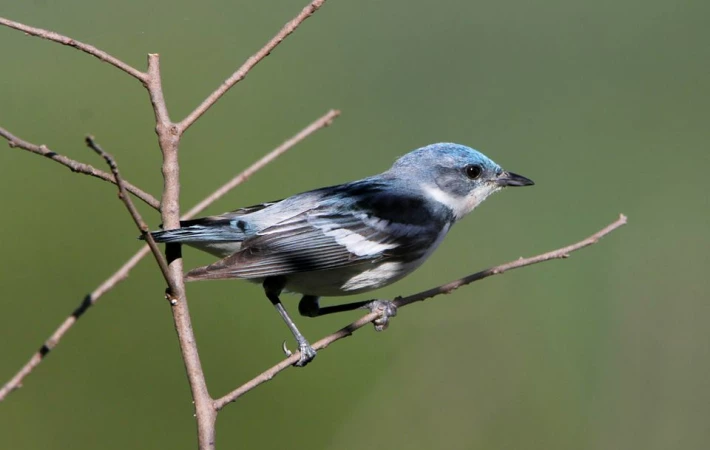
Some cool facts about the Cerulean Warbler taken from The Cornell Lab of Ornithology website
1. On the wintering grounds in South America the Cerulean Warbler is usually found in mixed-species canopy flocks, associating with tropical tanagers and other resident species
2. When renesting after a failed nest, the female often uses spiderweb from the old nest to start construction on the new nest. Fresh lining is gathered for the new nest, but spiderweb may be too valuable and hard to find to waste
3. The female Cerulean Warbler has an unusual way of leaving a nest after sitting on it a while. Some people call it "bungee-jumping." She drops from the side of the nest, keeping her wings folded to her sides, and opens her wings to fly only when she is well below the nest
My camera equipment:
Canon EOS 60D body
Canon EF-S 18-135mmf/3.5-5.6 IS Lens
Sigma 150-500mm f/5-6.3 DG OS HSM for Canon EF mount
Tamron SP 150-600mm f/5-6.3 Di Vc USD Lens for Canon
All photos are handshot, no tripod
Thanks everyone for taking the time to read this post. Have a great day/night wherever you may be





