The concept of the metaverse, or virtual universe, has gained significant attention in recent years, particularly with the emergence of non-fungible tokens (NFTs). These unique digital assets, which are often used to represent ownership of virtual items or experiences, have garnered significant interest from both investors and collectors. However, some experts have raised concerns about the sustainability of the metaversal and NFT market, with some predicting a potential crash in 2023.
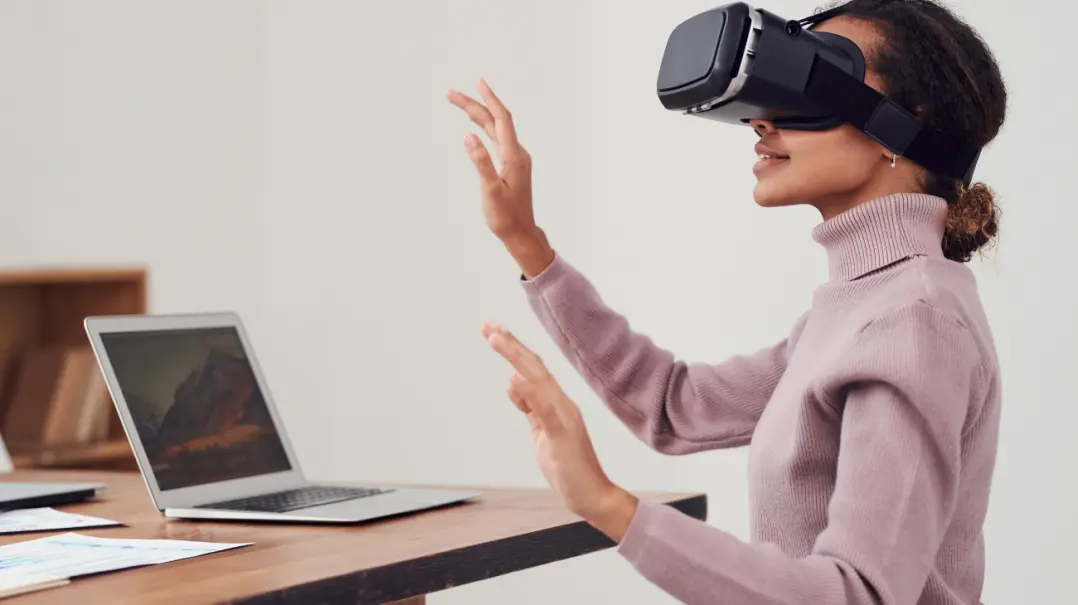
One of the main drivers of the metaverse and NFT market has been the proliferation of blockchain technology, which enables the creation and exchange of unique digital assets. In recent years, the popularity of NFTs has exploded, with high-profile sales of virtual artwork and collectibles fetching millions of dollars. The market for NFTs has even spilled over into the traditional art world, with major auctions houses beginning to sell NFT artwork.
However, the rapid growth of the metaverse and NFT market has also raised concerns about its sustainability. Some experts have pointed to the fact that many NFTs are being sold at inflated prices, with some speculators buying up virtual items in the hope of flipping them for a profit. This has led to fears that the market is experiencing a bubble, which could potentially burst in the near future.
Additionally, the metaverse and NFT market is still in its early stages, and it remains uncertain how it will evolve over time. Some experts have pointed to the fact that many virtual worlds and platforms are built on proprietary technologies, which means that they are dependent on the companies that own them. This could potentially lead to a concentration of power in the hands of a few players, which could have negative consequences for the metaverse as a whole.
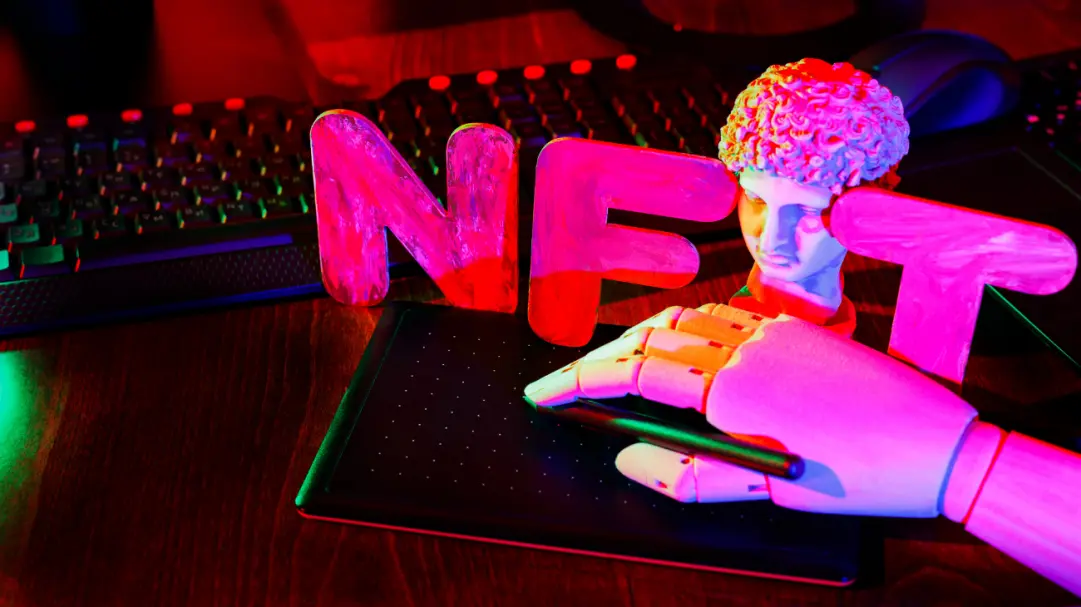
The concept of the metaverse, or virtual universe, refers to a shared digital space where users can interact with each other and with virtual objects and experiences. These virtual worlds can take many forms, ranging from online games and social media platforms to virtual reality environments and virtual economies.
One of the key technologies enabling the metaverse is blockchain, which allows for the creation and exchange of unique digital assets called non-fungible tokens (NFTs). NFTs are digital assets that represent ownership of a specific item or experience, and are unique in that they cannot be exchanged for other assets on a one-to-one basis (unlike cryptocurrencies, which are interchangeable).
The popularity of NFTs has exploded in recent years, with high-profile sales of virtual artwork and collectibles fetching millions of dollars. The market for NFTs has even spilled over into the traditional art world, with major auction houses beginning to sell NFT artwork.
However, the rapid growth of the metaverse and NFT market has also raised concerns about its sustainability. Some experts have pointed to the fact that many NFTs are being sold at inflated prices, with some speculators buying up virtual items in the hope of flipping them for a profit. This has led to fears that the market is experiencing a bubble, which could potentially burst in the near future.
Here next an example of constructed Metaverse, Sandbox.
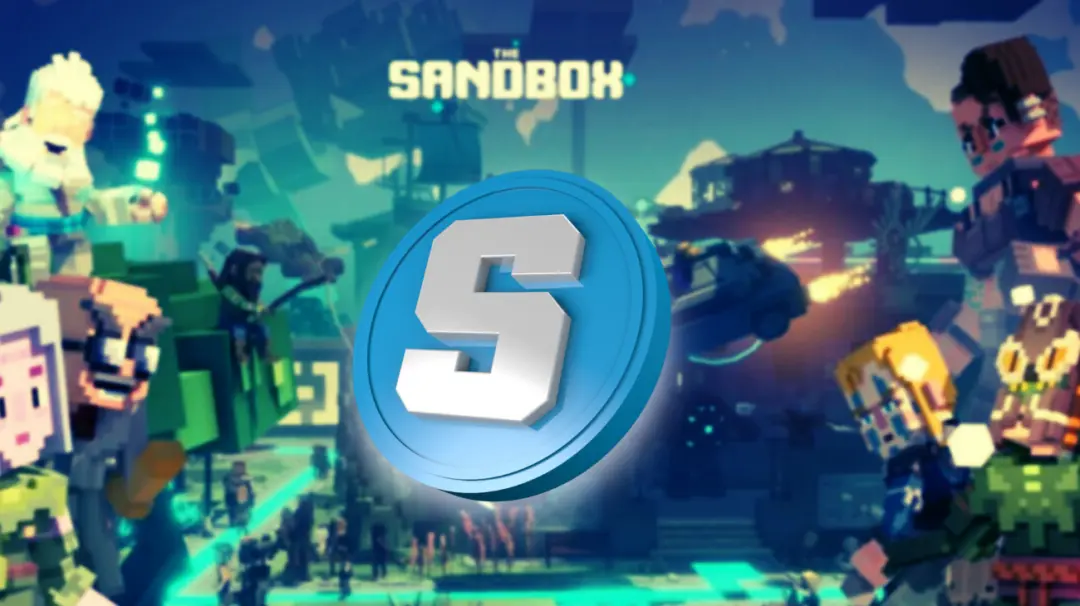
Sandbox is a virtual world platform that allows users to create, share, and monetize their own experiences. It is built on the Ethereum blockchain and uses non-fungible tokens (NFTs) to represent ownership of virtual items and experiences.
One of the unique features of Sandbox is its focus on user-generated content. Users can create their own virtual experiences using the platform's tools and assets, and can then share their creations with the community. Other users can then try out these experiences and purchase virtual items within them using the platform's native cryptocurrency, SAND.
Sandbox has been designed to be a fully immersive and interactive virtual world, with a wide range of activities and experiences available for users to enjoy. These include gaming, socializing, and creative expression.
In addition to its focus on user-generated content, Sandbox also has a strong emphasis on community and collaboration. Users can join groups and work together to create new experiences, and can even team up to host events and competitions within the platform.
Sandbox is a unique and innovative platform that is poised to become a major player in the world of virtual worlds and non-fungible tokens. Its focus on user-generated content and community collaboration sets it apart from many other virtual world platforms, and its use of blockchain technology and NFTs adds an extra layer of immersion and interactivity.
Overall, it is difficult to say with certainty what the future holds for the metaverse and NFT market. While it is clear that these virtual worlds and digital assets have the potential to revolutionize the way we think about ownership and value, it is also important to be mindful of the potential risks and uncertainties that lie ahead. It remains to be seen whether the metaverse and NFT market will experience a crash in 2023, or whether it will continue to thrive and evolve in the coming years.






