
How to monitor the contagio heals from Coronavirus COVID-19 with blockchain
The Public Health Blockchain Consortium (PHBC) announced on Thursday the release of VirusBlockchain.com, a new blockchain that says it will follow communities that remain free of viruses and high-risk diseases such as COVID-19, bacteria and fungi.
According to its website, "PHBC is a consortium of health authorities, universities, healthcare professionals and innovators who are committed to securely collect, store and analyze anonymous health data on PHBC-linked blockchain medical records in order to eradicate diseases and improve the lives of people around the world. "
However, no partners are listed on its website. Instead, PHBC has open invitations for participants to join the blockchain and said it will present the results of participating communities and workplaces at a conference next year.
VirusBlockchain will presumably use certificates from security organizations and government agencies that are monitoring cases to "automatically identify areas" as communities and businesses believed to be free from infectious diseases "by integrating real-time information provided by virus surveillance service providers with intelligence artificial (AI) geographic information systems (GIS). "This information would then be placed on a blockchain.
"Communities and workplaces can maintain this safe zone status if they restrict access to anonymously identified people and only allow movement to and from other safe areas," said Ayon Hazra, CEO of Qlikchain, who will manage the blockchain.
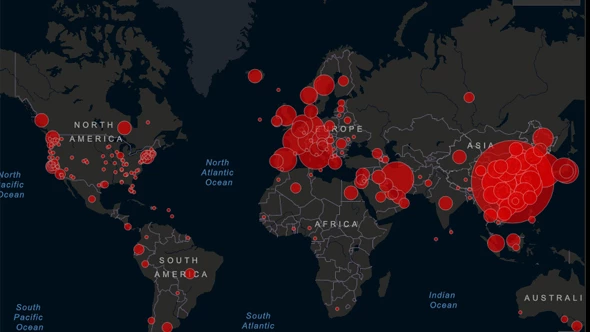
Hazra continued: "Unlike traditional infectious disease surveillance that focuses on infected people, this is a system that instead monitors the movement of uninfected people in order to limit their return if they have passed through areas known to be infected." .
A consortium press release added that people who "entered an infected area must remain in a quarantine area before being authorized in a safe area."
Such a system would be similar to the way citizens around the world are asked to self-quarantine when in contact with potentially infected people.
However, it is unclear how this project tracks "anonymously identified people", why this is an appropriate use case for decentralized registries or whether governments have expressed interest in adopting this tool. He decrypted Hazra but got no response.






