
The AI Summer isn't just about ChatGPT writing your emails anymore. We are entering a weird, wild, and incredibly efficient era where AI agents aren't just tools they are economic actors.
If you’ve been following the DePIN narrative, you know that decentralized compute is the backbone of the next cycle. But here’s the kicker: The biggest customers for decentralized GPUs won't be humans. They’ll be other AIs.
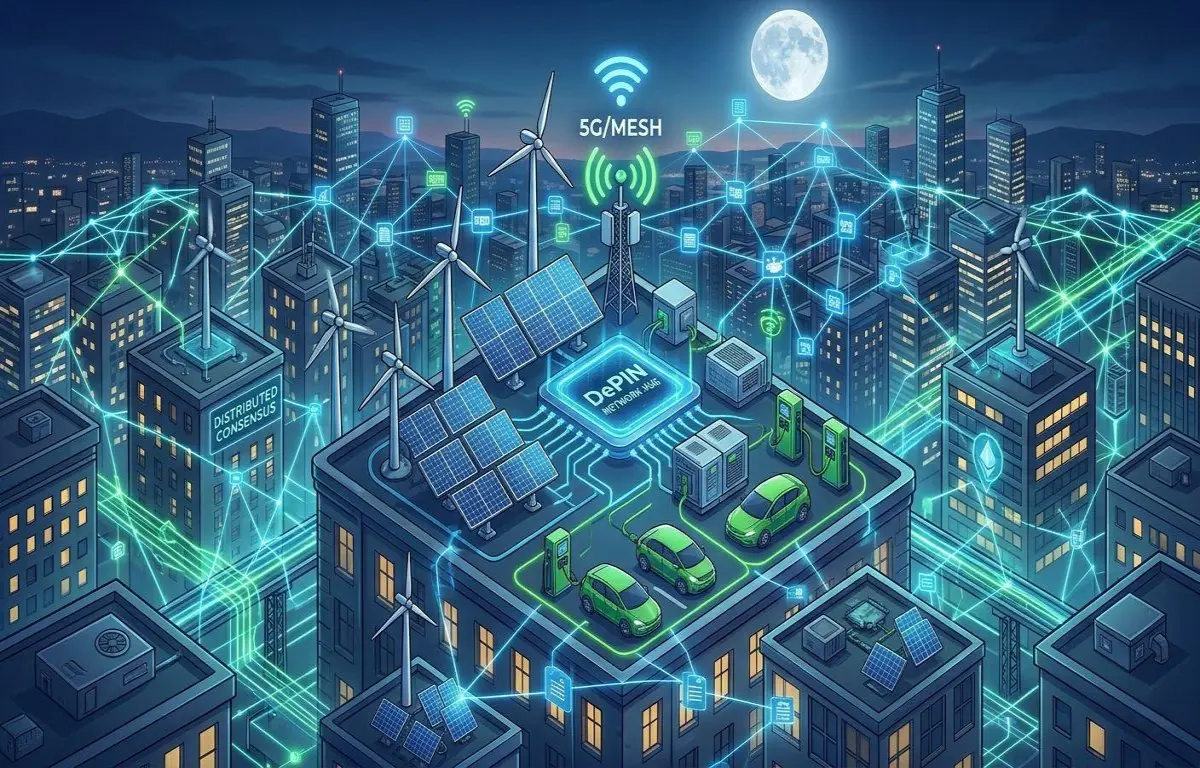
The Bottleneck: The GPU Hunger Games
Let’s be real getting your hands on high-end silicon like the H100 is a nightmare. Centralized providers (AWS, Google, Azure) have high walls, KYC requirements, and "enterprise-only" pricing.
For an autonomous AI agent a piece of code designed to perform tasks independently opening a bank account or signing a Terms of Service agreement with Amazon is a legal paradox.
This is where Decentralized GPU Computing enters the chat.
How the On-Chain Compute Economy Works
Decentralized networks like Io.net, Akash, and Nosana act as the Airbnb for GPUs. They aggregate idle processing power from data centers and individual miners globally.
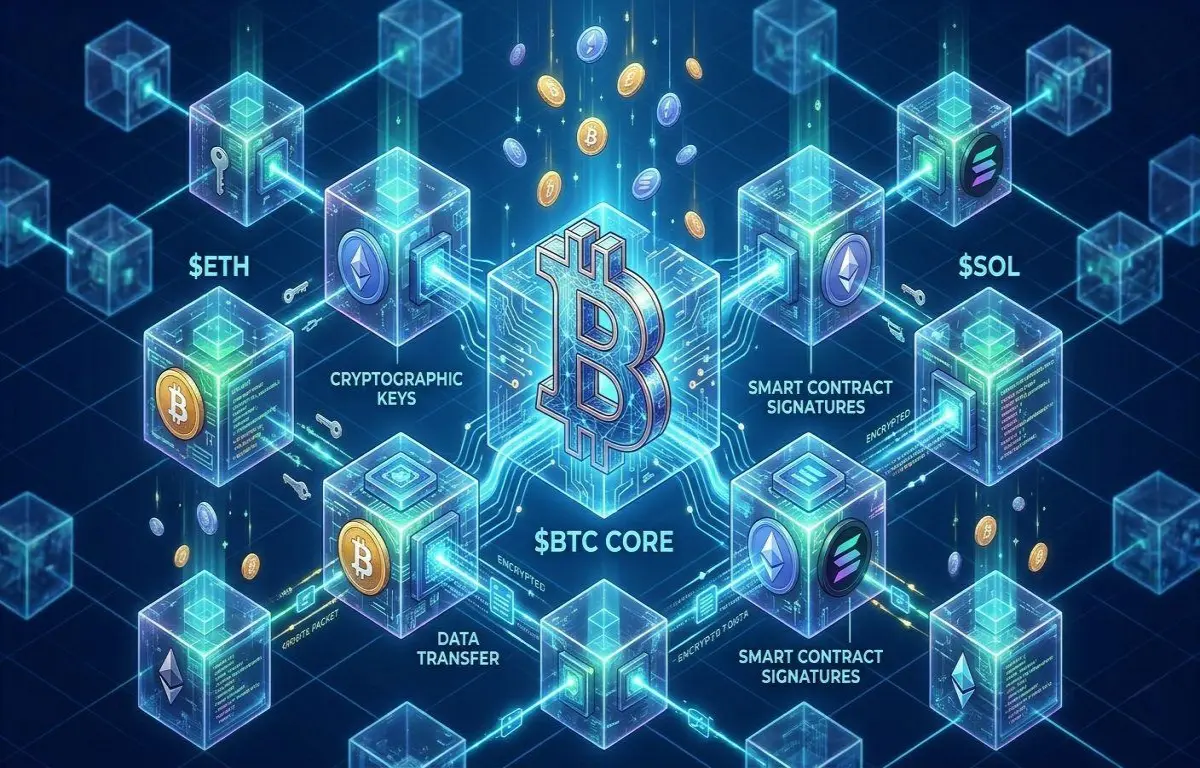
But the real magic happens when AI Agents (built on frameworks like Wayfinder or Olas) interact with these networks:
-
Autonomous Wallets: The AI agent has its own crypto wallet. It earns revenue by performing services (trading, coding, or data analysis).
-
On-Chain Requests: When the agent needs to "think" harder or train a new model, it broadcasts a request to a decentralized compute marketplace.
-
Smart Contract Settlement: The agent pays in tokens ($AKT, $IO, $NOS) via a smart contract. No credit cards, no identity verification, no permission needed.
-
Proof of Compute: The network provides cryptographic proof that the work was done, and the agent receives the output.
The Result: A permissionless loop where AI creates value, earns tokens, and buys the "oxygen" (compute) it needs to survive and grow.
Why This Matters for Investors and Techies
We are witnessing the birth of the "Agentic Economy."
-
Cost Efficiency: Decentralized compute is often 70-90% cheaper than centralized alternatives.
-
Censorship Resistance: An AI agent can’t be "de-platformed" if it lives on a decentralized stack.
-
Scalability: As the demand for AI grows, we can’t rely on a few companies in Silicon Valley to hold the keys to all the world's processing power.
Final Thoughts
The vision of a machine-to-machine economy is no longer sci-fi. When an AI agent can identify a market gap, write the code to exploit it, and rent the GPU power to execute it all on-chain we’ve moved past the "chatbot" phase. We are now building a decentralized brain.
What do you think? Are we ready for a world where AI is the primary consumer of blockchain resources? Let's discuss in the comments.






