
When Bitcoin first come into the market in 2009, Nobody could imagine that one day it will become a global financial surprise. But today, Bitcoin is a renown name. Most of the people often viewed it as a "Digital Gold". When you analysis the current market. One of the most significant parameter is market capital - the total value of all Bitcoins currently in circulation.
What is Bitcoin’s Market Cap?
Let’s talk about what is “Market Cap”. In simple terms, Bitcoin’s market capitalization is calculated by multiplying the total number of Bitcoins in circulation by the current price of one Bitcoin. This figure gives us a picture of the entire value of the Bitcoin.
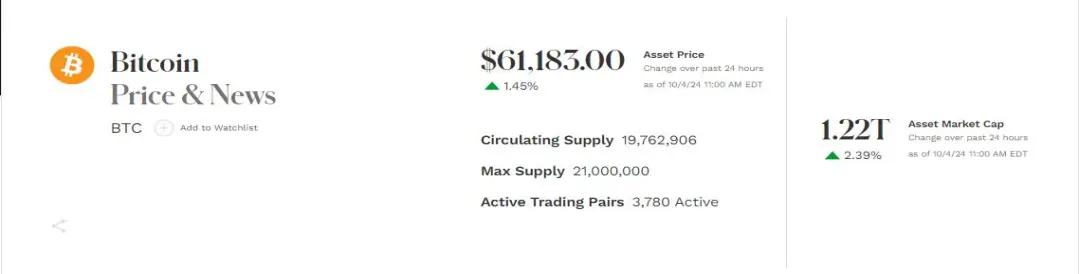
Market cap help both casual investors and seasonal investors to understanding Bitcoin's market.
Bitcoin’s Market Cap: Historical Growth
The journey of Bitcoin over the years, it's remarkable how rapidly its market cap has grown. I remember first hearing about Bitcoin in 2013 when its market cap was a few billion dollars. Then, the conversations around it were more specific, with only tech enthusiasts showing interest on it.
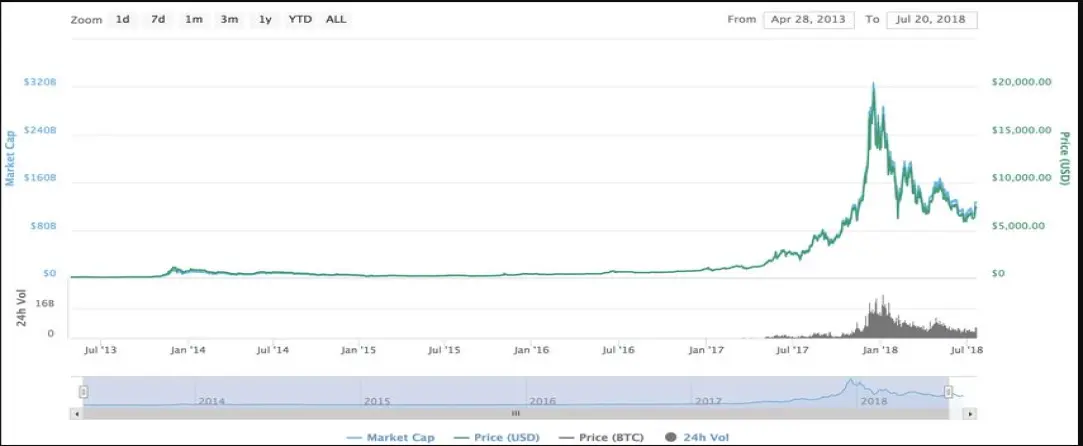
But end of the year 2017, when Bitcoin hit the all-time high of $19,783, its market cap crossed $300 billion. That felt like a significant moment—Bitcoin wasn’t just a speculative asset anymore; it was starting to show signs of being a legitimate financial instrument. The world had to take notice.
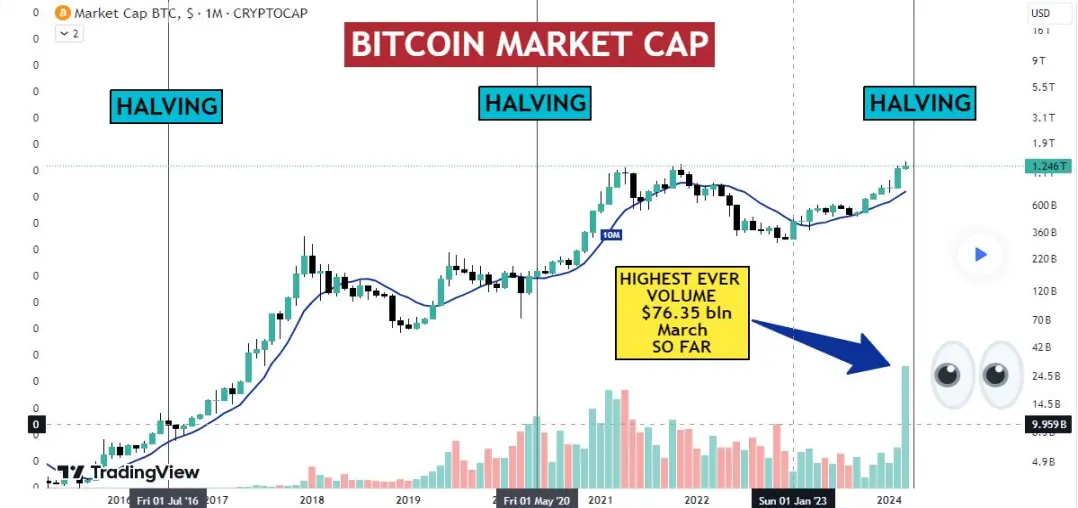
And the time of 2021—when Bitcoin’s price hit over $60,000, it's market cap past the $1 trillion for the first time. That was a crucial moment for many of us who had been following its journey. The “Digital Gold” narrative seemed more real than ever.
Recent Market Trends
The cryptocurrency market is known for its volatility, and Bitcoin is not exception. Over the past year, we’ve witnessed significant fluctuations in its market cap, driven by factors such as regulatory crackdowns, institutional investments, and broader economic trends.
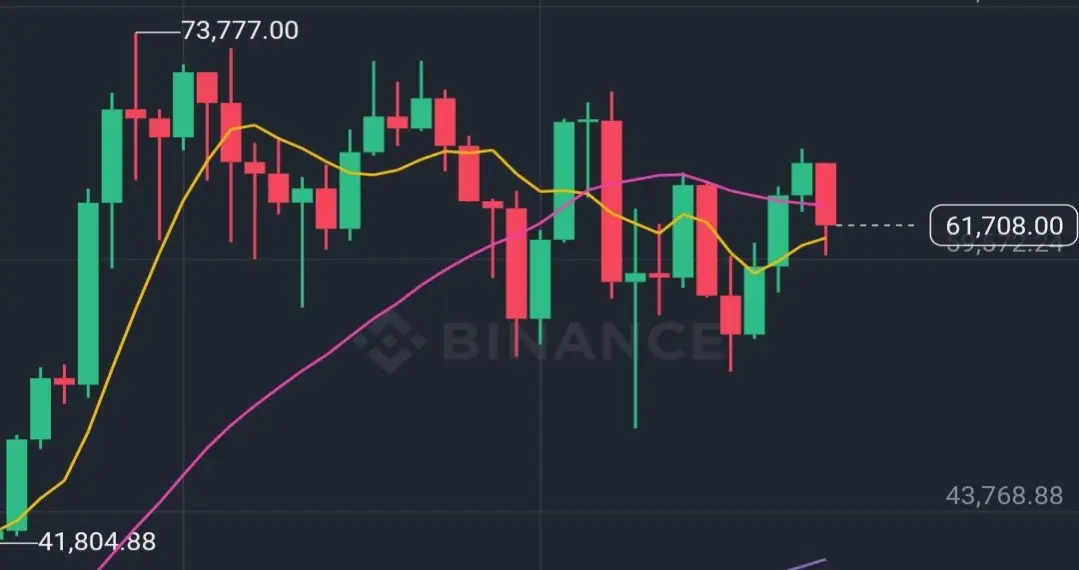
In 2023, Bitcoin’s market cap fluctuated between $500 billion and $1.2 trillion. Early in the year, a combination of global inflation fears and rising interest rates caused Bitcoin to lose. Many retail investors were treeified by the overall downturn in global markets, and Bitcoin wasn't immune to this trend.
However, there’s been a noticeable changes in recent months. As I watched the market, something fascinating became clear—despite ongoing macroeconomic challenges, Bitcoin has shown resilience.
Institutional players such as MicroStrategy, Tesla, and even legacy financial firms began to double their Bitcoin holdings, signaling their long-term belief in the cryptocurrency.
Something caught my eye in the last quarter of 2023 was the interest of Bitcoin from financial institutions. The approval of Bitcoin ETFs (Exchange-Traded Funds) in several regions gave a fresh boost to the market, making Bitcoin more accessible to retail investors who prefer more traditional investment. This likely played a big role in stabilizing its market cap around the $700 billion mark as the year drew to a close.
What Lies Ahead for Bitcoin?
Predicting Bitcoin’s future is a tricky game, but one thing is certain—its market cap is a reflection of growing acceptance and trust in its. Bitcoin isn’t just an asset; it’s become a symbol of decentralized finance and freedom from traditional banking systems.
I have no doubt that Bitcoin’s market cap will continue to rise, especially as more countries explore the idea of digital currencies, and as institutional interest keeps growing. Will Bitcoin hit another trillion-dollar market cap soon? It's entirely possible. But beyond the numbers, Bitcoin represents something bigger—a shift in how we think about value, ownership, and the future of money.
Read My Others Post About Bitcoin
"Bitcoin Market Crash of October 2024: A Wake-Up Call for Investors"





