
The United Arab Emirates successfully launched its first mission to Mars after a Mitsubishi H2-A rocket took off from Japan's Tanegashima spaceport, carrying the Al-Amal (Hope) space probe. The Hope probe is now on a 500,000,000 kilometre (About 310,000,000 million mile) journey to Mars, and is set to arrive in February 2021 which coincides with the UAE's 50th anniversary.
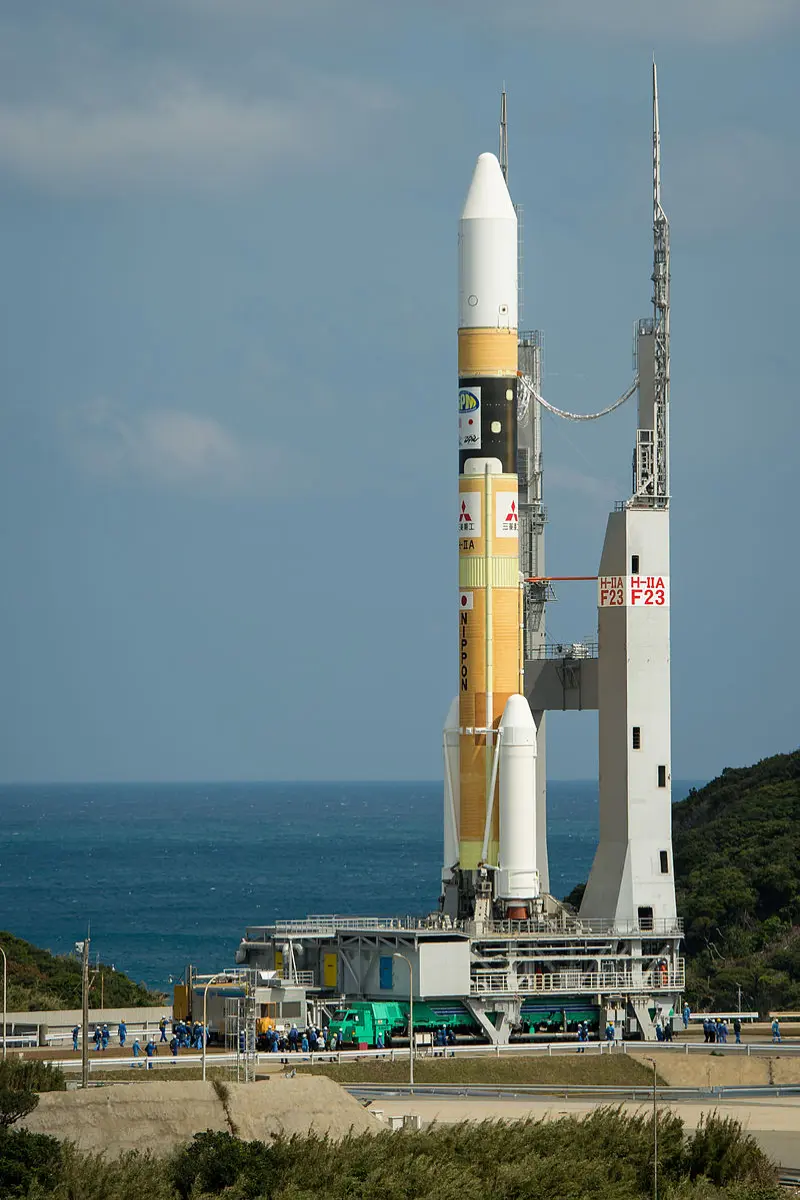
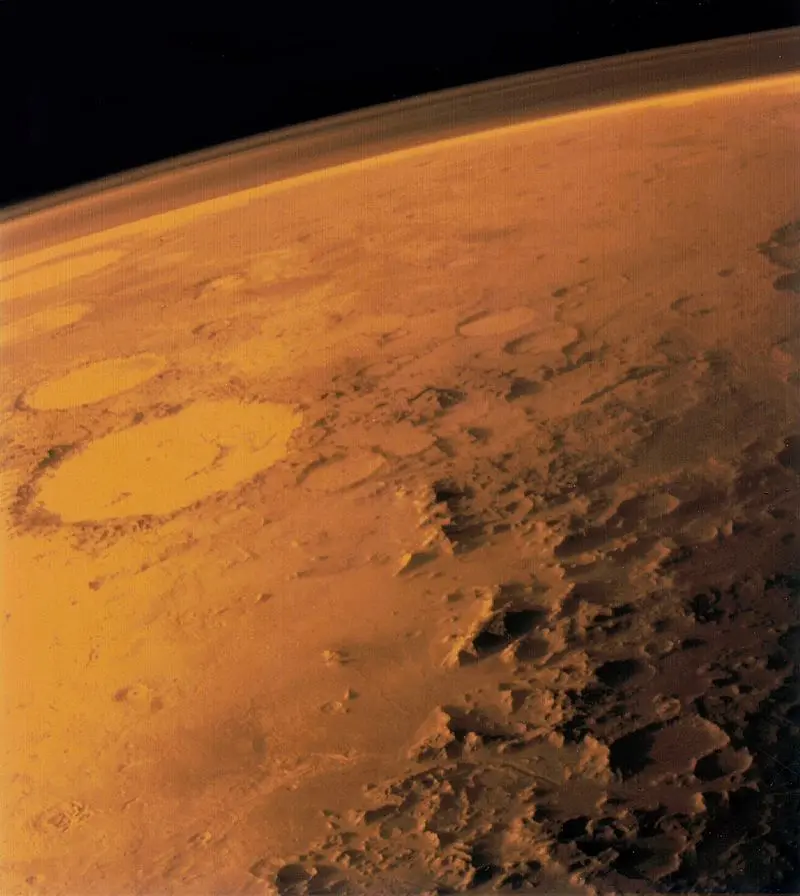
While most of the satellites' development and construction occurred at the University of Colorado, Boulder's Laboratory for Atmospheric and Space Physics (LASP) and the Arizona State University, considerable work as also done at the Mohammed Bin Rashid Space Center (MBRSC) of Dubai. Hope will be tracking features such as lofted dust which heavily influences the martian atmospheric temperature and the behavior of neutral atoms of hydrogen and oxygen at the top of the atmosphere.

The space probe will take up a near-equatorial orbit, and will stand off from Mars at between 22,000 kilometres (13,600 miles) and 44,000 kilometres (27,340 miles).
Technical Specifications of Hope:
- Launch mass: 1,350 kilograms (2,980 pounds)
- Dimensions: 2.37m by 2.90m (7 feet 9 inches by 9 feet 6 inches)
- Power: Two solar panels providing a combined 1,800 watts.
- Periareon altitude: 20,000 kilometres (12,000 miles)
- Apoareon altitude: 43,000 kilometres (27,000 mi)
Note: All photos and images are from the public domain and do not require attribution or citation for commercial use.






