
Three months after announcing the end of its 11th outbreak, the Democratic Republic of Congo's Ministry of Public Health announced that a new case of the Ebola virus has been detected in the town of Biena in the North Kivu province. According to health officials, a woman started showing symptoms of the virus on February 1st, 2021, and passed away in a hospital in the nearby city of Butembo just 2 days later. Health Minister Eteni Longondo stated that the victim was married to a man who had contracted the Ebola virus in a previous outbreak, and that a provincial response team has already been deployed to prevent potential spread of the virus while a national response team will also be deployed.
According to the World Health Organization, which is also aiding in the response, over 70 people had come into contact with the victim, and are now being tracked to monitor for symptoms. Places that she has visited are also being disinfected. Local medical reports say that it is not unusual for sporadic cases to reemerge following a major outbreak.

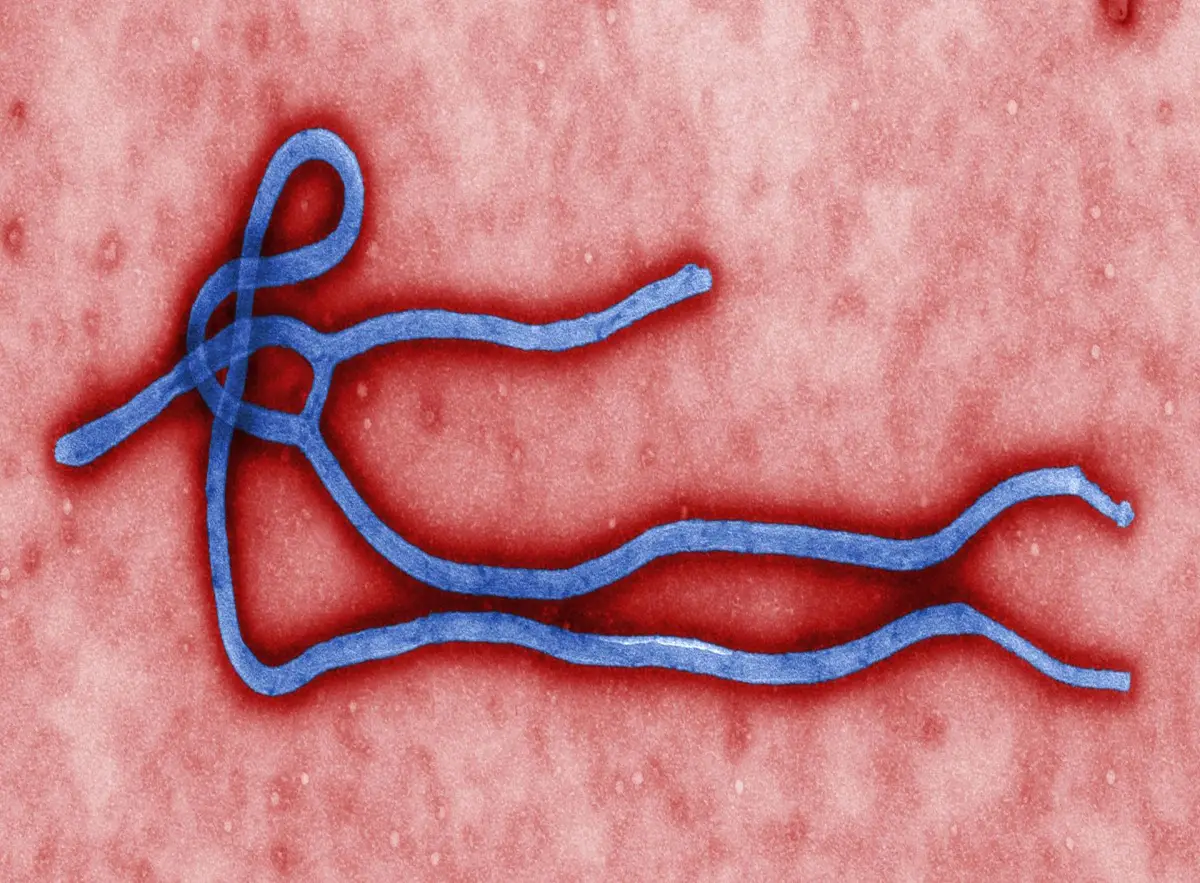
Ebola is a virus that initially starts with a sudden fever, weakness, and muscle pains, but can progress to vomiting, diarrhea, internal bleeding, and external bleeding. Patients often due from dehydration, blood loss, and/or multiple organ failure. Case fatalities rates range widely between 25-90%. Infections can occur when direct contact is made through broken skin with blood, vomit, feces, or other bodily fluids of someone who has contracted the virus. According to the New England Journal of Medicine, the virus is also able to live in the semen of male survivors for over three years.
Note: All images used in this post were retrieved from the public domain, and do not require attribution or citation for commercial purposes.





