
After seeing significant decreases in new Covid-19 coronavirus infections and deaths, Japan has lifted a state of emergency from 39 of 47 total prefectures. However, the order has not yet been lifted in areas like Tokyo and Osaka where new cases are still emerging each day. In an announcement, Japanese Prime minister Shinzo Abe stated that the nation's rate of infection has dropped to about a seventh of the nation's peak, but urged citizens to stay on guard, wear masks, and follow distancing recommendation. He also stated that Japan's government hopes to lift all states of emergencies by May 31st, 2020, though the orders could be extended should new cases increase.
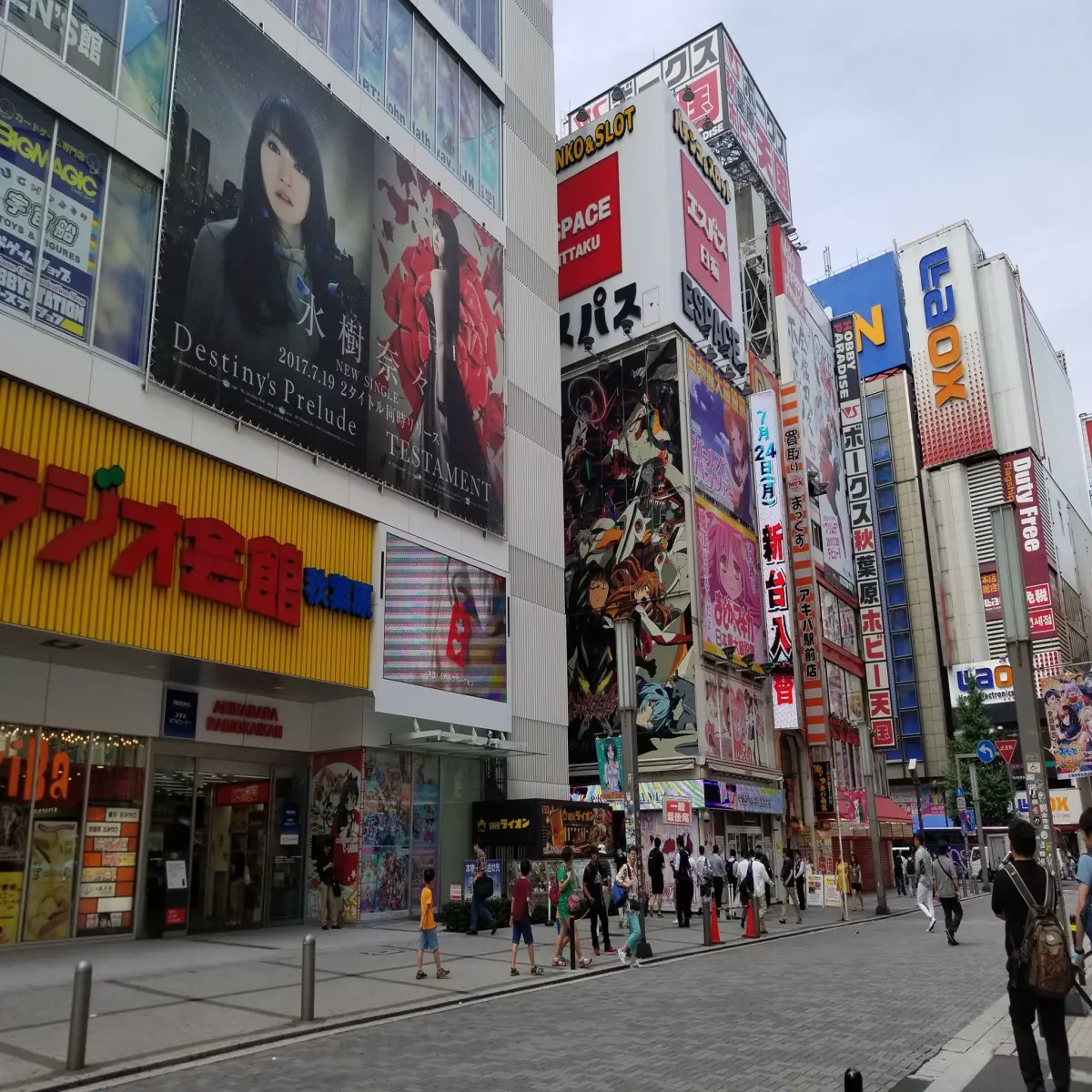
Unlike many governments elsewhere, Japan's Prime Minister has no real legal power to enforce a lockdown, and even though governors and local politicians are able to call upon businesses to stay closed and people to stay at home unless absolutely necessary, no punishments or fines may be issued should citizens refuse to follow the lockdown protocols. However, despite this, local media says that mobility data indicates a massive reduction in public movement.
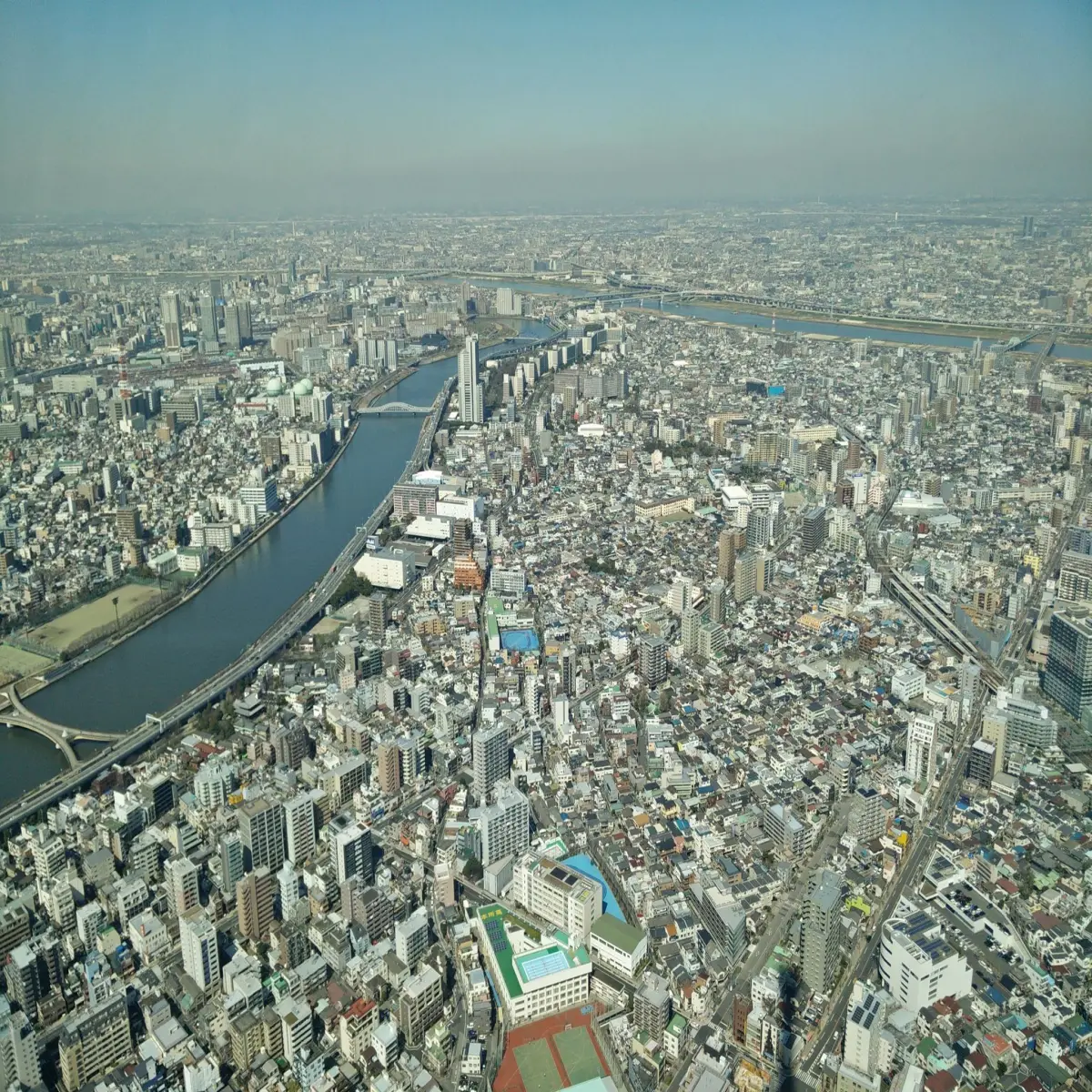
As of now, Japan has reported 16,103 confirmed case of the Covid-19 coronavirus, 696 Covid-19-related deaths, and seen 9,868 recoveries. This statistic was reported by the Japanese Ministry of Health, Labour, and Welfare (https://www.mhlw.go.jp/stf/seisakunitsuite/bunya/newpage_00032.html) and i accurate as of 10:25am, May 14th, 2020 Vancouver local time.
Note: The statistics and numbers were retrieved from the Ministry of Health, Labour, and Welfare (https://www.mhlw.go.jp/stf/seisakunitsuite/bunya/newpage_00032.html). All photos used in this post are my own personal photos and property except the last image of the Japanese flag. The final image was retrieved from the public domain, and does not require attribution of any other citation for any use, including commercial use.






