
In my first article of this series, "The Looming Storm: Understanding and Overcoming the Next Financial Crisis (Part 1)," I discussed how the global economy is slowing down and potentially heading toward a recession. In the second installment of the article series titled "The Looming Storm: Understanding and Overcoming the Next Financial Crises (Part 2) & Part 3, I have discussed its potential consequences.
Always, bear in mind that we do not have the power to completely change the course of events, but we can ever so slightly alter the course. The objective of this article series isn't to single-handedly save the world, and to become the ultimate survivor, but rather to focus on yourself, your family, and your community.
In this installment of the article series, I will reveal how the readers can effectively prepare themselves to face various scenarios. It is crucial to be proactive and equipped with the necessary skills and resources to tackle unforeseen challenges.
I have divided this subject into several key areas: Energy, Security, Food, Water, Wealth preservation, Health, and Community. By attaining a reasonable level of proficiency in these aspects, you can reduce your dependence on the existing system. Furthermore, self-reliance remains relevant regardless of economic conditions, including recessions. It is a proven and resilient approach to survival.
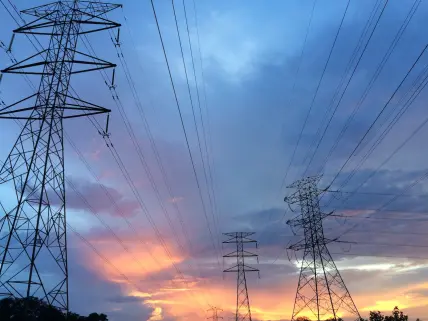
A) Energy Security:
Maintaining energy security during a recession is crucial to ensure the smooth functioning of your household and/or business.
1. Energy-efficient practices: Implement energy-saving measures throughout your home or workplace. This can include using energy-efficient appliances, insulating your property, sealing air leaks, natural lighting, and heating, switching off devices instead of standby mode, and optimizing heating and cooling systems. Conserving energy reduces your overall energy consumption, thus reducing your carbon footprint, and helping lower utility bills.
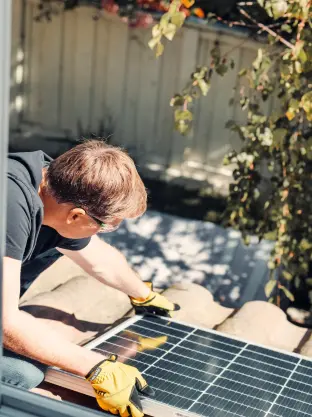
2. Renewable energy sources: Consider investing in renewable energy technologies such as solar panels, wind turbines, or geothermal systems. Generating your energy can provide a degree of independence from the fluctuating energy prices and supply during a recession. Remember, grid maintenance could move off kilter during the recession as wage disputes, strikes, and equipment and spare parts supply lines can get severely disrupted. The most practical option for the average person is installing a Solar System. This can be either off-grid or on-grid. This depends on your taste. If you want to make some extra income while covering your day-to-day energy consumption, then an on-grid system will be more suitable. On the other hand, if you intend on living completely off the grid, or live in a remote area without power, the second option is more suitable.
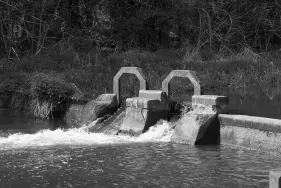
3. Diversify energy sources: If possible, diversify your energy sources to minimize dependence on a single energy provider. Explore options for purchasing energy from multiple suppliers or consider alternative energy options available in your region. If you live near a stream, try hooking a small turbine to generate power. Also if you have the know-how, try including a small wind turbine along with your solar system. Once you are into the subject, the sky is the limit of your imagination.


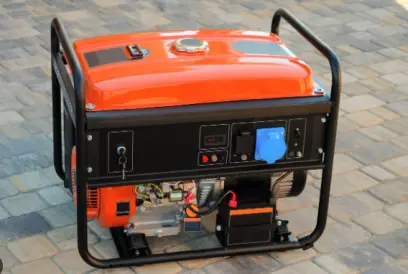
4. Backup power systems: Install backup power systems like generators or battery storage to ensure an uninterrupted power supply during outages or disruptions. This can be particularly useful during a recession when energy reliability may be compromised. Also, if possible learn how to maintain batteries properly. Ex: Depth of Discharge (DOD), charging voltages (There are many types of batteries such as VALR, AGM, and Lead Acid, which need different voltages for charging and varying discharge rates).

5. Energy conservation habits: Encourage energy-saving habits among family members or employees. Promote practices like turning off lights and appliances when not in use, using natural lighting and heating during the day, and using energy-efficient lighting options such as LED bulbs. Also, remember to switch off devices rather than keeping them on standby. This can be applied to building design as well. If you are overwhelmed by efficiency, do some research on Earth Ship Houses.
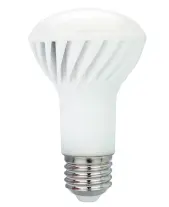


By implementing these measures, you can improve energy security, reduce energy costs, and mitigate the impact of energy-related challenges during an economic recession.
(I am not a financial advisor and this is my personal opinion. This is not financial advice and is only for educational purposes.)
Looking for Peer 2 Peer Exchanges (P2P):
Looking for P2P crypto exchanges: Paxful, Noones
Earn some extra income:
1) Earn some extra income by completing micro tasks: SproutGigs
2) If you have unlimited free data left, earn some extra money as passive income: Honeygain
Join US
If you are new to Publish0x, join the community of publish0x.
Older Articles:
1) The Looming Storm: Understanding and Overcoming the Next Financial Crises (Part 1)
2) The Looming Storm: Understanding and Overcoming the Next Financial Crises (Part 2)
3) The Looming Storm: Understanding and Overcoming the Next Financial Crises (Part 3)





