
Thumbnail image, Matías Cruz from Pixabay
MyUplandCity
My name is Juan de Garay. I was born in 1528. In the 16th century, I worked as a Conqueror, Explorer, Founder of Cities and Colonial Ruler, in the service of King Felipe II, in times when Spain was the most powerful and extensive empire in the world. In the year of the Lord 1580, I founded the city of Buenos Aires, in the most extreme part of South America. I died 3 years later and, surely due to some mistake by the Heavenly Ministry of Justice, I have been in Heaven since then.
The reason I am writing this post is due to a very particular event that occurred in the sky these days.
It turns out that the rulers of heaven came up with a very nice and fun competition. They took all the founders of cities, who were getting very bored in long days without action, and they decided to send us back to Earth, to the cities that we founded respectively, for the space of a week. (They only sent those from heaven, those in the hell did not qualify for this competition). The idea was that we see with our own eyes what the small fortresses that we built at the time had become and see what was in their place, since news from Earth does not reach us (thank God).
Whoever presents the best report will be rewarded with a very special prize: he can be happy for a year.
Before the trip, I was provided with a device called a "smartphone." According to what they told me, it was not going to be used for anything other than to make payments in the places I wanted to visit. The lords of heaven told me that money was still needed on Earth in the 21st century, so they explained to me in detail how to use the gadget, particularly a special section called a “wallet” that I could use to pay. Obviously, I had unlimited expenses, so if I needed more money, all I had to do was click on a button called "Receive" and enter the amount. They told me that Argentines are as good at cultural activities as they are bad at economics, with hyperinflation installed in the country for decades. So with my "wallet", I could solve all the problems that needed money.
I was also tuned with the appearance of a mature "porteño" of the 21st century (the inhabitants of Buenos Aires are known by the name of "porteños"). Imagine the disaster I would have created by showing up in my Conqueror uniform!
Upon arrival I was assigned a beautiful "porteña" as my secretary and my tour guide so that I could know in a short time that my visit was going to last, the most iconic landmarks, the main cultural events, and the main entertainment centers being Buenos Aires one of the famous cities that don’t sleep at night.
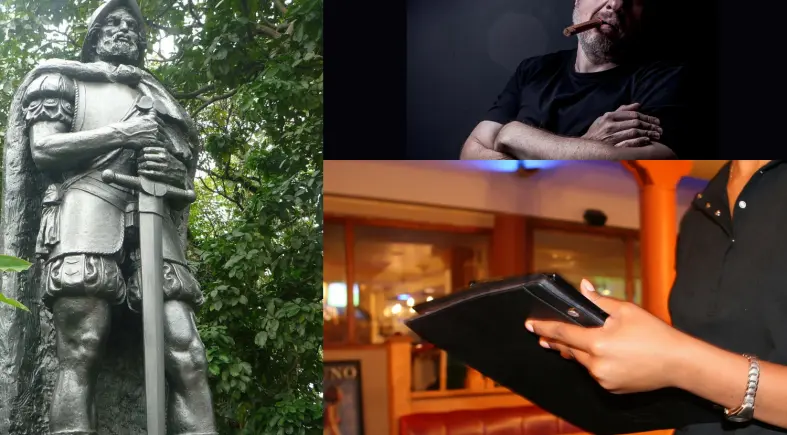
Image by PublicDomainPictures, Robert Gołębiewski and Shutterbug75 from Pixabay
One day before my departure for Earth, I received a talk about the generalities of Buenos Aires. It is the second-most populous city in South America and the one with the highest per capita income in the region. Its name comes from the Italian Madonna di Bonaira, whose cult was widespread among the Spanish sailors, and which later became Spanish as Buen Ayre. (In English, Buenos Aires means Good Airs).
The population of Buenos Aires amounts to just over 3 million people. If its metropolitan area (Greater Buenos Aires) is included, this number rises to 15 million people, which makes Buenos Aires one of the main urban centers in the world. 38% of the population was born elsewhere, that is, it is a city with a very high migrant composition. In addition to immigrants from neighboring countries, Buenos Aires received a large number of European immigrants during the 19th and 20th centuries, and their descendants keep the culture of their ancestors very much alive. Especially Spaniards and Italians immigrated, but also Germans, French, English, Welsh, Irish, Scots, Russians, Ukrainians, Poles, Arabs, Jews, Armenians, Greeks, Serbs, Croats, Chinese, Koreans, Japanese and lately, also from others South American countries such as Peru, Colombia, and Venezuela. This makes Buenos Aires one of the most cosmopolitan cultures on the planet, which can be seen in the intense and powerful number of cultural events in the city and the population highly aware of the arts and customs of other countries.
The climate is generally stable, although from time to time the city is subjected to violent storms that are called "sudestadas", with winds that come from the interior pampas and join those that come from the ocean, right in Buenos Aires. This phenomenon terrified the first conquerors since they manifest themselves with violent electrical storms, hail, rains, and hurricane gusts, and last several hours, sometimes days. But in general, summers are mild with temperatures of up to 40 degrees Celsius (104 Fahrenheit) and in winter with minimum temperatures of around zero degrees (32 Fahrenheit). In the last 100 years, it has only snowed twice in Buenos Aires.
Buenos Aires receives about 5.5 million tourists per year and is one of the 20 favorite destinations in the world. The Spanish spoken in Buenos Aires is quite different from that spoken in other parts of Latin America and Spain. It is full of Italian terms and has an unmistakable accent. The porteño developed the "Lunfardo", a kind of "slang" characteristic of tango patios and the streets of typical neighborhoods.
In short, Buenos Aires is one of the main metropolises in the West and its cultural development can be easily seen in a large number of museums, theaters, libraries, bookstores, and spaces for cultural activities that abound in the city. Buenos Aires has a cultural identity and the porteño knows it. For this reason, he/she is often branded as "arrogant."
With all this baggage and some clothes in a suitcase, I left for Earth.
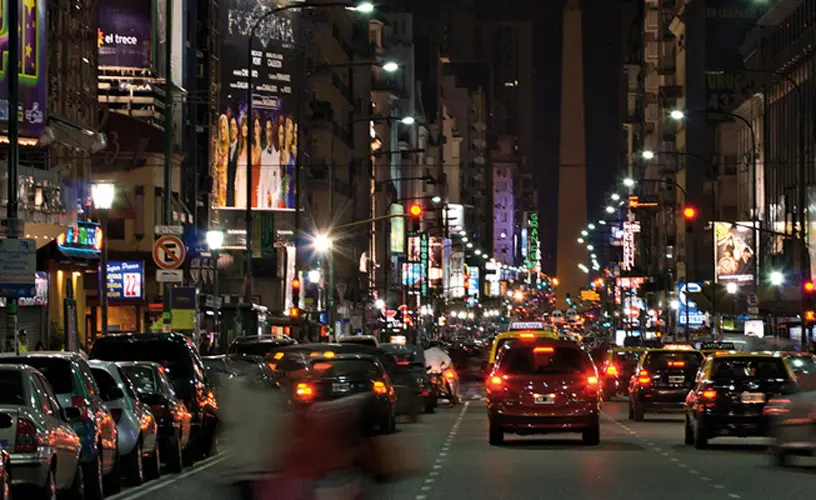
I met Norali, my beautiful secretary, of Greek descent, at the agreed bar on Corrientes Avenue. It was night and I was somewhat shocked by the trip and by the somewhat bizarre experience I was living. Corrientes Avenue is the “Broadway” of Latin America. The theatrical and musical shows of the city are concentrated there. The noise is hellish and the traffic chaotic.
Source
Corrientes Avenue is very long, and crosses 5 Buenos Aires neighborhoods, and mixes various architectural styles in which “bits” of Paris and Madrid can be seen. This is the street responsible for the description “Buenos Aires never sleeps”. It has an extension of 8.6 km from the Luna Park Sports Palace to the La Chacarita Cemetery, the largest in the city. It is the hub of the city's nightlife, cultural and bohemian life. There are large and small theaters, next to bookstores, bars, and restaurants. In the bars, they talk about politics, football, philosophy, psychoanalysis, and cinema. The booksellers on Corrientes Avenue are well known throughout the world for their knowledge of literature (the great Italian writer Umberto Eco, used to spend long hours at night talking to a bookseller on Corrientes Avenue).
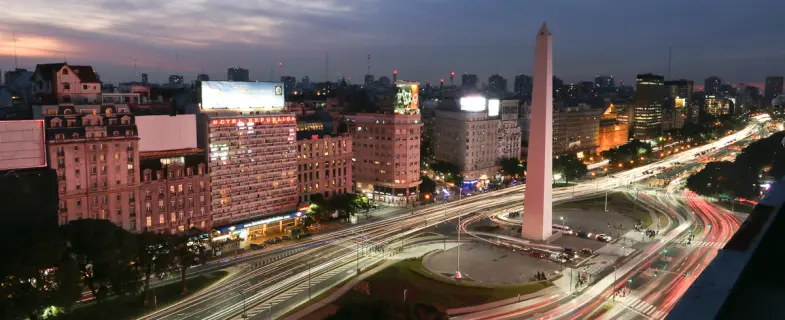
Towards the end, it intersects with Avenida 9 de Julio, which is the widest avenue in the world, and at the intersection stands the phallic image of the Obelisk, an iconic postcard required of Buenos Aires throughout the world.
Source
Unfortunately, that night, I was not around to talk too much with anyone or to go see a musical show, so we went to dinner with Norali and talked about generalities. She didn't know who I was, luckily, and she thought she was leading a foreigner, such was her job. In any case, the difference between a contemporary foreigner and a 16th-century conqueror is very slight ...
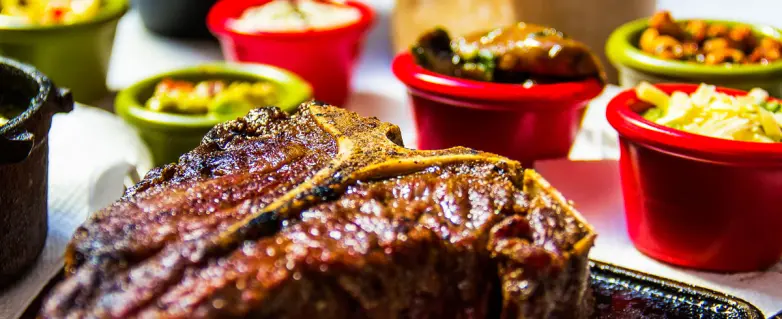
We dined on a dreamed steak in a restaurant in the area, amidst a tremendous shout of people, waiters, souvenir vendors, and ad hoc tango singers. I went to my hotel and slept very soundly.
Source
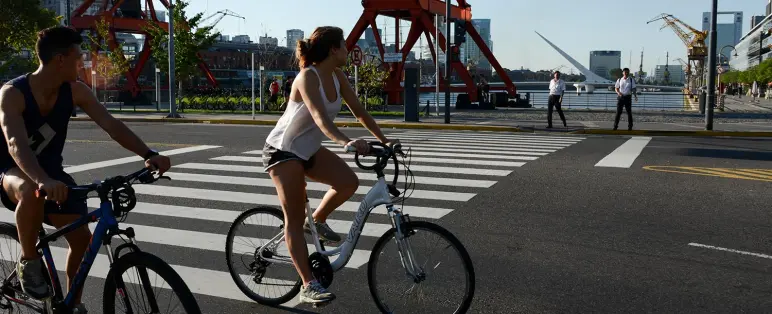
The next morning, Norali had scheduled a bike ride through Puerto Madero.
Puerto Madero is a modern and very luxurious neighborhood. Its construction began about 30 years ago, recycling the old port of the city built between 1900 and 1905 to take advantage of Argentina's grain export boom.
At present, it consists of pedestrian walkways and tall towers of high-class apartments, located in the port landscape of the Rio de la Plata, the widest river in the world. Puerto Madero has its own identity, elegance, and prestige. There are lofts, iconic buildings with unique views, offices, restaurants, pubs, universities, and great nightlife. It mainly means a new relationship of the city with the river and the redefinition of public spaces.
A notable monument in Puerto Madero and the city is the Puente de la Mujer (Woman’s Bridge), inaugurated in 2001, designed by the Spanish architect Santiago Calatrava, famous worldwide for his white buildings.
Source
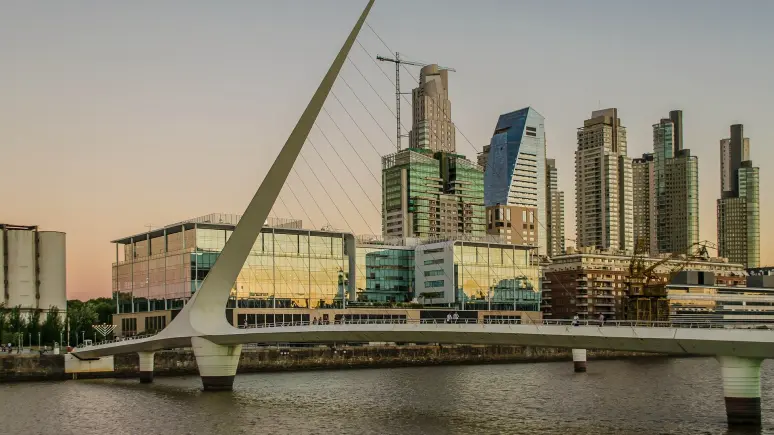
Image by Claudio Bianchi from Pixabay
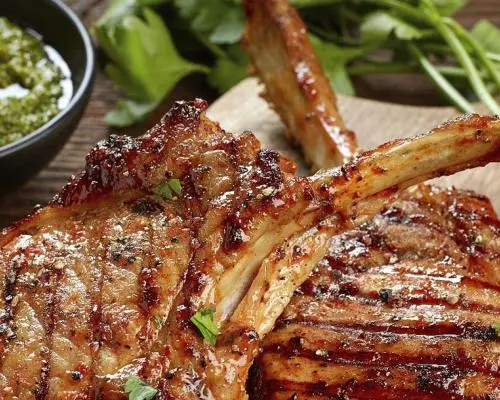
We spent the whole day in Puerto Madero and had dinner in one of its exclusive restaurants.
Source
The next day we toured downtown on foot. We started our walk from a very significant place for me: the Casa Rosada (Pink House), the seat of the national government. It stands in the same place where I founded the first fort 5 centuries ago!
Norali saw me crying, but I explained to her that I was allergic to humid air, and, by the way, the relative humidity was close to 100%, as is usual in this city by the river.
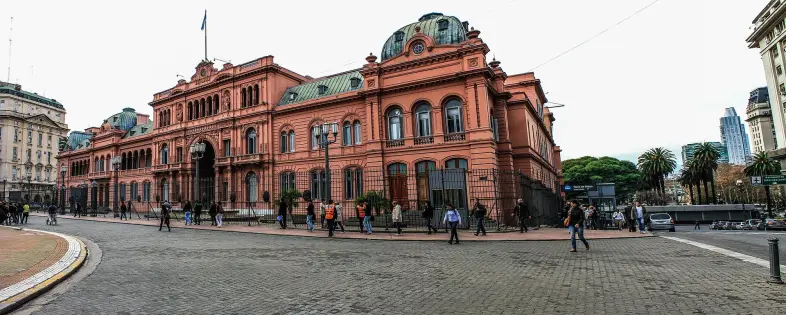
Image by GRAPHICAL BRAIN from Pixabay
The tour was very long and I saw so many things that I would not be able to write them in several books. I reserve the right to do so when I return to heaven. I simply want to say that I was amazed by the fact that colonial architecture coexisted with modern urbanization.
We passed through the bohemian neighborhood of San Telmo and arrived at La Boca. This is a typical immigrant neighborhood, south of the city, in which a river called Riachuelo flows into the Río de la Plata, forming a wide inlet that overlooks the city's port.
La Boca is probably the most famous place for tourists, the most popular destination being Caminito Street. Tango shows can be seen there, not only in theaters but also in the street itself, with musicians, painters, and street dancers who live off their work. The houses are very colorful and are built with wood and painted sheets, with very striking colors from the paint that was leftover in the port. The neighborhood is very peculiar and full of charm.
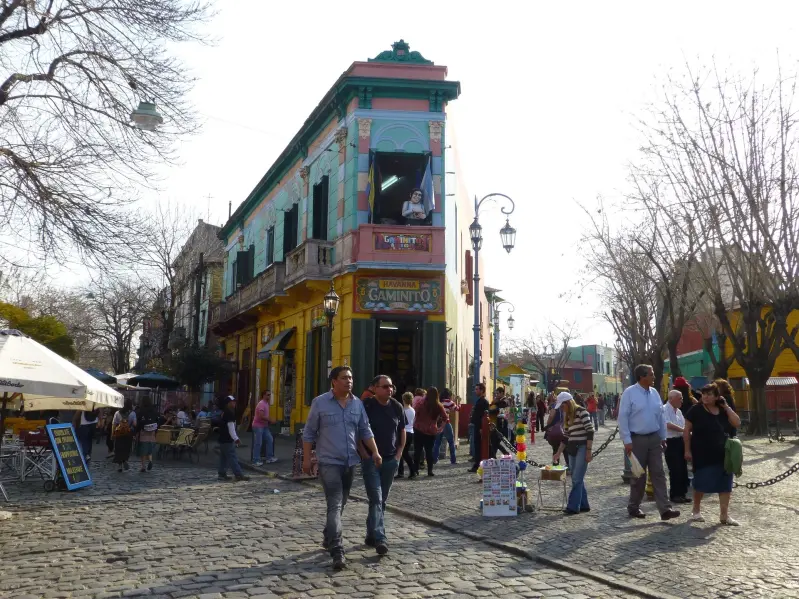
Image by janeanncraigie from Pixabay
We had dinner at a pizzeria in La Boca and I went to bed, crushed, after having walked more than 20 km.
The next morning, Norali woke me up early, because the day was going to be long and she was planning to eat a picnic in the gardens of the city. There are 45 parks and 249 squares in Buenos Aires. In total, the green spaces cover 1,800 hectares (4,500 acres). This gives 5.9 mt2 (63 ft2) of green space per inhabitant. Many people consider Buenos Aires as an open-air museum due to the more than 2,000 monuments and works of art arranged mainly in the city's parks. Amongst many, the most important are La Fuente de las Nereidas, the Cid Campeador and the Monumento a los Españoles. It is impossible to visit them all!
We start with El Rosedal, in the Palermo neighborhood.
The Rosedal is an icon of landscape design and provides a privileged image of dreamy gardens in the middle of one of the largest cities in the world. It houses about 8,000 roses of 93 different species, on 4 hectares (9.8 acres) in the Palermo forest. In 2012 it received the international Garden Excellence Award, granted by the World Federation of Rose Societies (WFRS). Among the roses stand the busts of famous poets, such as Dante Alighieri, Jorge Luis Borges, Antonio Machado, Federico García Lorca and Alfonsina Storni. Inside it is the famous Patio Andaluz, gifted by the city of Seville to Buenos Aires.
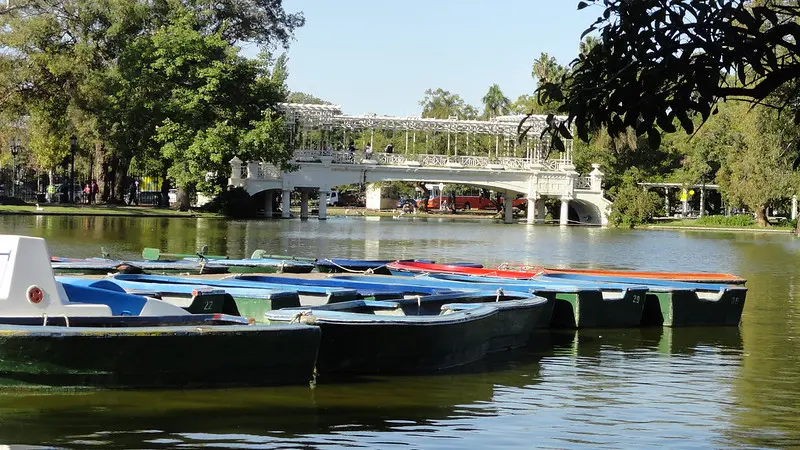
Image by KBL Luccia from Flickr
Then we went to visit a monument that really caught my attention: the Floralis Generica. It is an imposing sculpture 20 meters (65 ft) high inserted in the United Nations square, the work of the Argentine architect Eduardo Catalano. It is constructed of stainless steel and aluminum and weighs 18 tons. It is the first moving sculpture controlled by a hydraulic system and photoelectric cells, which move the flower petals following the movements of the sun, opening in the morning and closing completely when the sun disappears. The name Floralis Generica is a tribute to all flowers, and the creator of it projected his dream of building a large-scale structure that reflects the dynamism of our time.
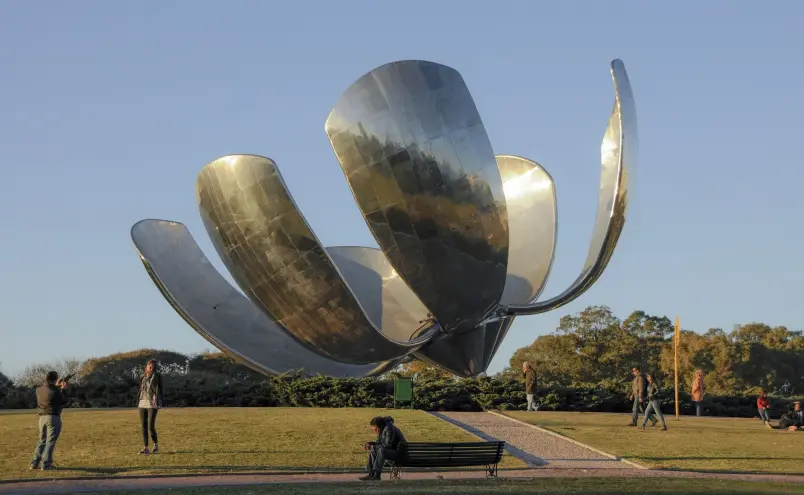
Image by Nick115 from Pixabay
Then we went to the Galileo Galilei Planetarium, which is located in the Tres de Febrero Park. This observatory was built to promote the dissemination of astronomical sciences through educational shows for the general public and students. In the access, we could see three metallic meteorites that were found in Argentine territory. Its dome is 20 meters (65 ft) in diameter and 8,900 fixed stars, constellations, and nebulae are reproduced, thanks to a piece of imposing equipment (unique in Latin America) that contains six Sky-Skan projectors with 8K resolution, which indicates that the dome contains 38 million pixels. Its five-story building also has a museum and a small secondary projection room and housing a collection of meteorites from northern Argentina. In the adjacent lake is the sculpture Surprised, by the Italian Nicolás A. Ferrari and, a few meters away, a monolith evocative of the Polish sage Nicolás Copernicus.
From the park surrounding the Planetarium, it is possible to enjoy 50 meters (164 ft) of translucent LED screens and a remote management system so that the Planetarium is illuminated in a coordinated way with six other key points in Buenos Aires: the Obelisk, the Monumento a Los Españoles, the Pirámide de Mayo, the Puente de la Mujer, the Floralis Generica, and the Torre Monumental. In the museum on the first floor, a complete technological revolution was carried out that includes a robot that interacts with visitors, touch screens with astronomical information, virtual reality, 4D simulators, and augmented reality games. In the second floor ring there is an Astro gallery with photographic exhibitions on large screens and in the Astronomical Square a “selfie point” was installed to take photos, play with Astro filters and achieve images that will be projected on the ring screens.
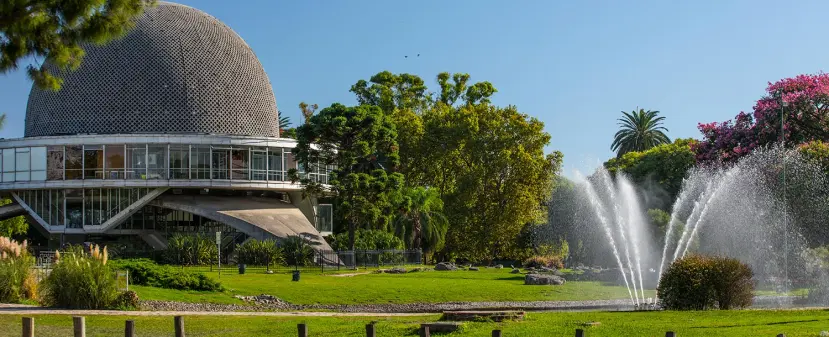
Source
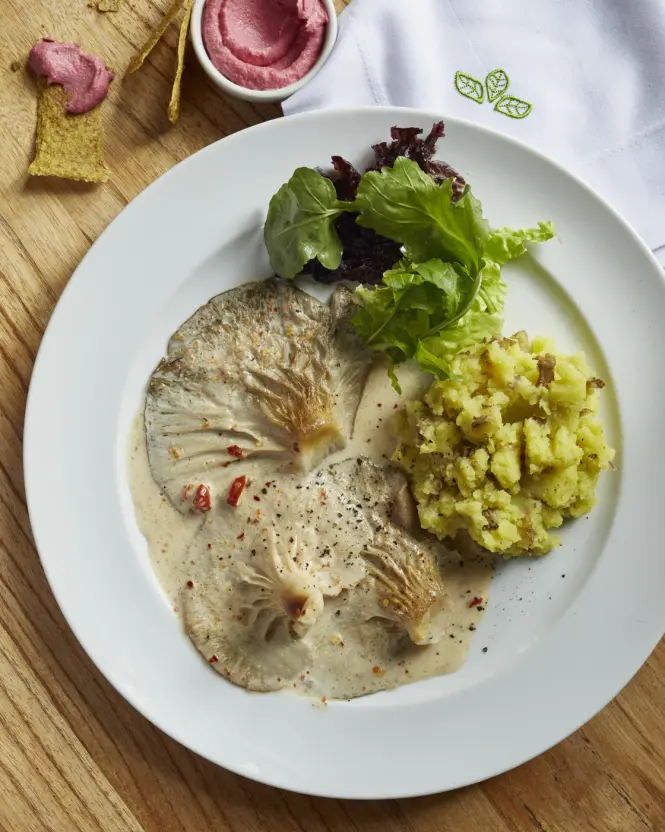
We had a very sunny and peaceful day, and Norali ordered some food from the BIO restaurant, a well-known vegetarian food place in the Palermo neighborhood. It was as if we had spent a picnic in the middle of the city.
Source
The next day we got serious. Norali had tickets to go to the Teatro Colón, the Buenos Aires Opera.
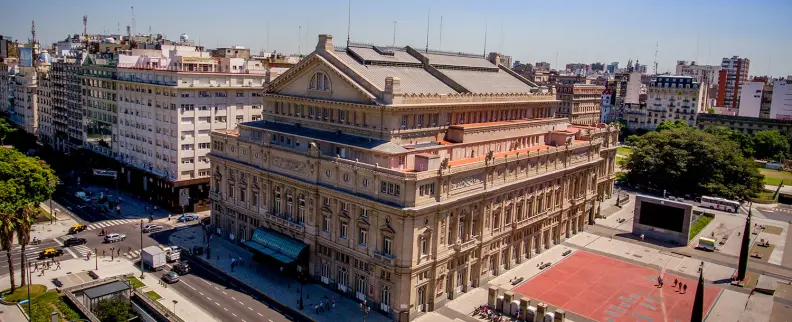
The Colón Theater in Buenos Aires is one of the most important opera houses in the world. Its rich and prestigious history and the exceptional acoustic and architectural conditions of its building, place it at the level of theaters such as the Scala in Milan, the Paris Opera, the Vienna Opera, London's Covent Garden, and the New York Metropolitan.
Throughout its history, every 20th century's top artist has been stepping on its stage. Suffice it to mention singers like Enrico Caruso, Claudia Muzio, Maria Callas, Régine Crespin, Birgit Nilsson, Plácido Domingo, Luciano Pavarotti, dancers like Vaslav Nijinski, Margot Fonteyn, Maia Plisetskaia, Rudolf Nureyev, Mijail Barishnikov, directors like Arturo Toscanini, Herbert von Karajan, Héctor Panizza, Ferdinand Leitner, Daniel Baremboin, among dozens more. It is also frequent that, following the tradition inaugurated by Richard Strauss, Camille Saint-Saëns, Pietro Mascagni, and Ottorino Respighi, composers come to the Colón to direct or supervise the premieres of their own works.
Source
The Teatro Colón is a pride of Argentine culture and a reference center for opera, dance, and academic music throughout the world. The French style of decoration and some structural modifications were the hallmarks left by the Belgian architect Jules Dormal. The emulation of the Paris Opera is evidenced in its façade.
It has 58,000 mts2 of surface (624,000 ft2). The surface of the dome is 318 mts2 (3,422 ft2). The stage is 35.25 meters wide (115 ft) by 34.50 deep (113 ft), and 48 meters high (157 ft). The central spider, brought from France, is 7m in diameter (23 ft). Marcel Jambón's paintings, which featured the dome, deteriorated in the 1930s, so in the 1970s the painting of the dome was commissioned to the Argentine painter Raúl Soldi. The main hall, in the shape of a horseshoe, meets the highest standards of classical Italian and French theater. The orchestra pit for 120 musicians is treated with a resonance chamber and special sound reflection curves. It meets all the conditions for acoustics that are among the most perfect in the world. Its total capacity is 2,478 seats, and 500 standing spectators.
One of the most famous artists in the history of mankind, the great tenor Luciano Pavarotti, said at a press conference: "Everyone knows that the only flaw of the Teatro Colón is that it is perfect” …
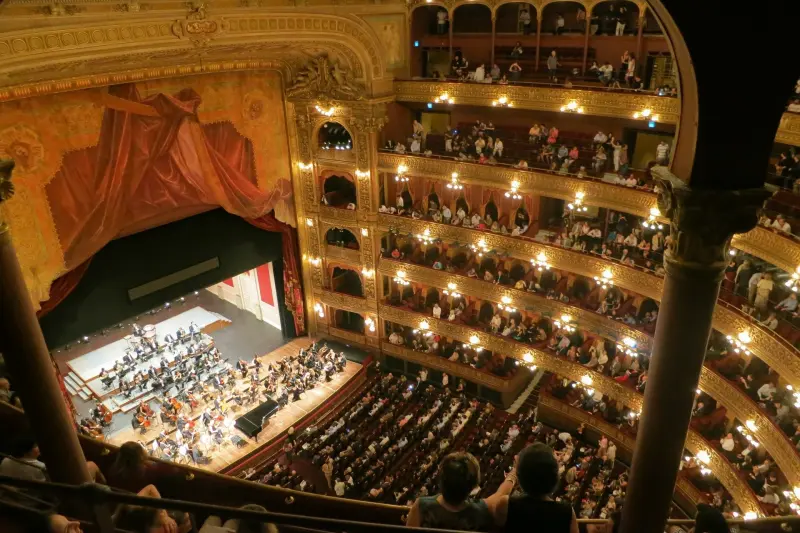
Image by TravelCoffeeBook from Pixabay
We enjoyed the Cavallaria Rusticana by P. Mascagni. It was an unforgettable evening, of total excellence and passion for art.
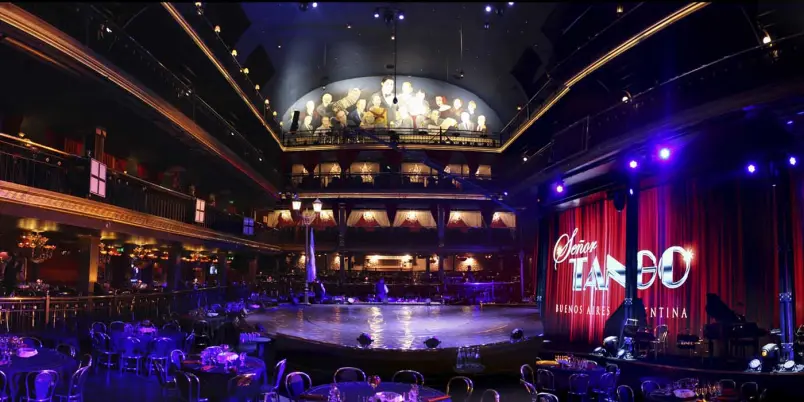
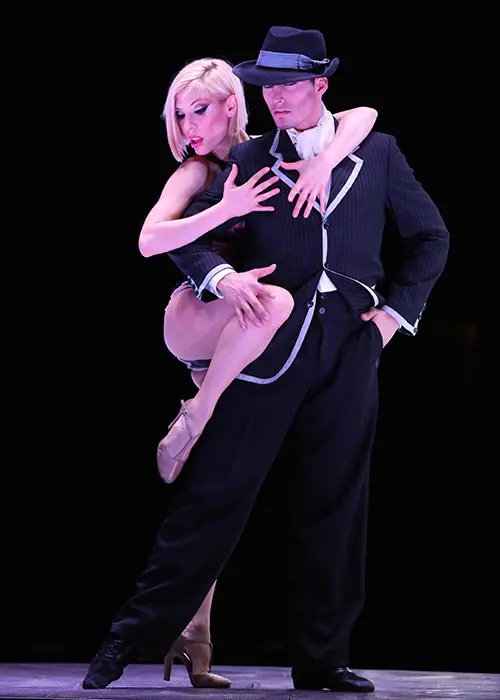
We left the Colón Theater at dinner time, and Norali had reserved two places in a famous Tango patio in La Boca, so we went there. We feasted for a while with street musicians, and then we entered Mr. Tango. This place is internationally known as "The Cathedral of Tango". It was built by recycling an old general store in the Barracas neighborhood, next to La Boca and the port. It has 4,000 m2 (43,000 ft2) on three levels, a revolving circular stage of 9 meters (29 ft) in diameter, and can dine about 1,500 people. The traditional architecture includes vaulted ceilings, iron columns, cobblestone, and red quebracho floors, and a solid structure from the beginning of the 20th century.
Source
We immerse ourselves in a fantasy climate and discover the cultural identity of Buenos Aires from one of its great icons: Tango.
Tango was declared Intangible Cultural Heritage of Humanity by UNESCO and is known and appreciated worldwide. It emerged from the lower classes as a fusion of African, Creole, and indigenous cultural elements and was enriched by the influence of European immigrants. The bandoneon occupies a central place in Tango, and a typical orchestra is usually made up of six musicians. The lyrics of the songs use a large number of terms from "Lunfardo", the local slang, and are based on the nostalgia, love, and emotions of men and women. The dance is sensual, with an embracing couple proposing an emotional relationship between the dancers. You have to listen closely to the orchestra and feel the body vibrating off the actors to understand why the porteño is so emotional and passionate.
Source
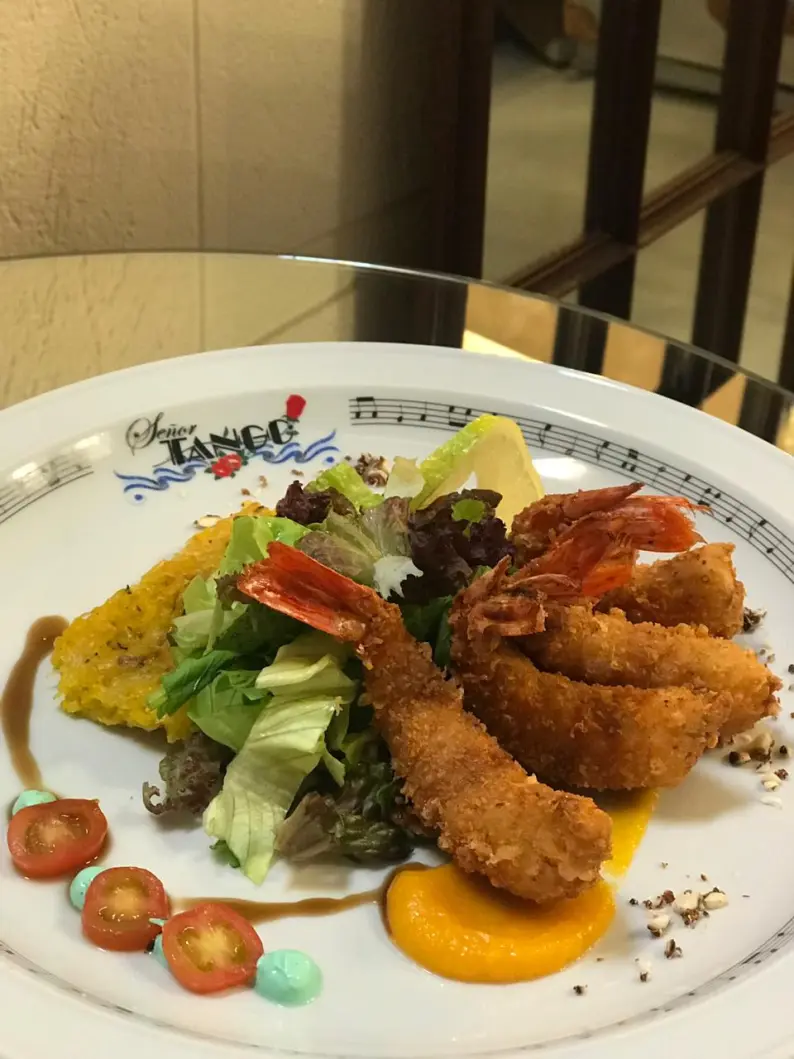
Mr. Tango's menu is also exceptional. We take the opportunity to taste seafood. It was an unforgettable day and night. I went back to the hotel and passed out.
Norali had warned me that the next day was going to be very cultural and that we were going to dedicate it to museums.
Buenos Aires is home to 189 national and international art museums of all disciplines where pieces of visual, audiovisual, performing arts, literature, and music from all eras are exhibited. Once a year, the streets of Buenos Aires dress up with the Night of the Museums, leaving residents the possibility of entering all museums for free, with free activities for all tastes and ages, be these exhibitions, music, theater, or literary analysis. The already dynamic Buenos Aires night is enhanced on this night, showing an inexhaustible source of culture, in which neighbors and tourists live an evening full of history and emotions.
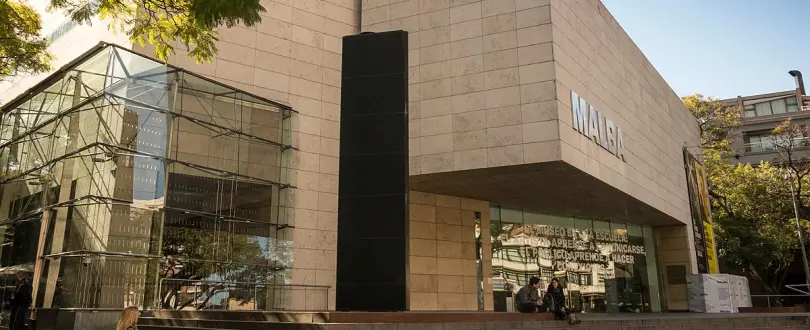
With so much on offer, it is easy to imagine that it is very unlikely to see all the museums in such a short space of time that my trip would last. I asked Norali to pick one and use it all day to enjoy it. And she chose the Museum of Latin American Art MALBA, which contains the Constantini Foundation art collection, with works by great Latin American artists of the 20th century, such as Frida Kahlo, Roberto Matta, Diego Rivera, Antonio Berni, Tarsila do Amaral, and Wilfredo Lam.
Source
My feeling upon entering MALBA was one of overwhelming pressure. You don't know where to start, even though there are explanatory catalogs and printed guides. In addition to the collections, there are a large number of activities such as cinema and literature, guided walks, a shop with art objects and artistic expressions even in the museum's courtyards. Some 400 works by the main modern and contemporary artists of the region are preserved and exhibited there. The museum also carries out an educational task through programs for different audiences.
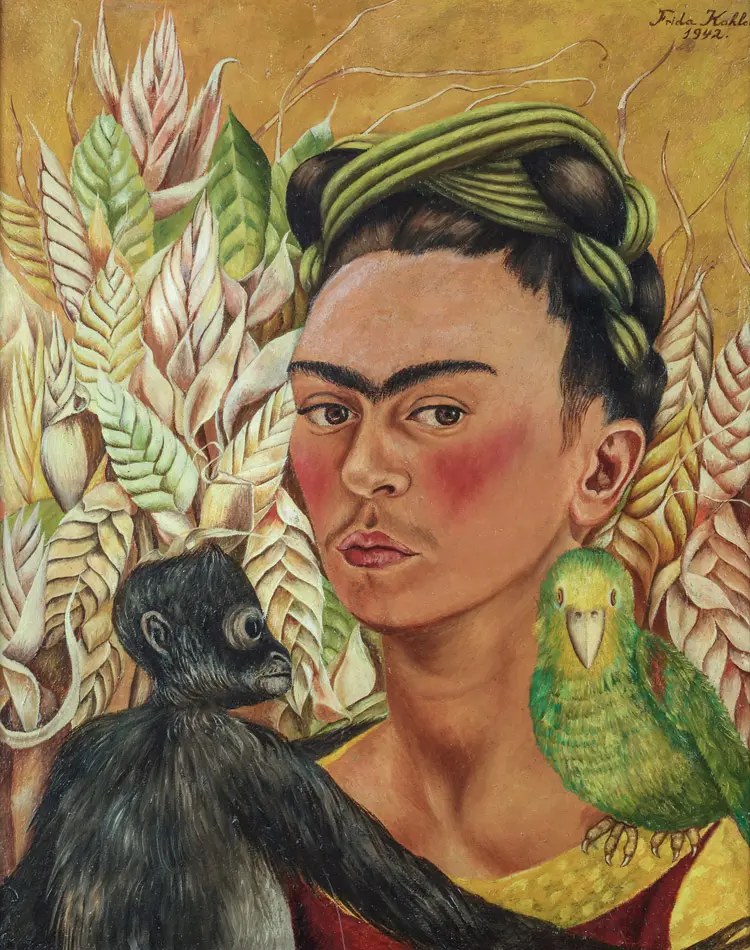
Autorretrato con chango y loro. Frida Kahlo 1942. Colección MALBA Source
Of course, the day did not reach us, and we were left with the feeling of having seen very little, although what we saw filled us with pleasure. Latin American artists are obviously impressive at mixing creativity, insolence, rebellion, good taste, colors, shapes, sounds, non-traditional materials, and passion for cultural discourses.
It would take a trip of at least a year to be able to enjoy all the museums in Buenos Aires!
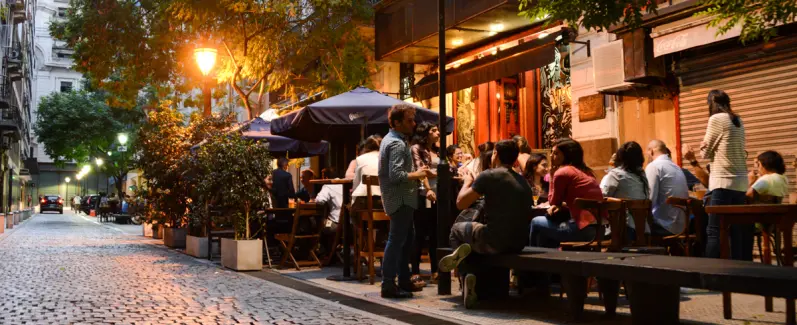
We went out and decided to go to dinner in Palermo Soho, one of the most famous night districts of Buenos Aires, for the dynamics and the feeling of freedom that bars, pubs, and restaurants offer. The areas known as Palermo "Soho" and Palermo "Hollywood" are the best places to meet the gastronomic avant-garde and find incredible experiences of barbecue, Asian food, Peruvian food, fusion food, and Middle Eastern food. The neighborhood is full of craft breweries and runs 24 hours a day.
In Palermo Soho, various ethnic groups coexist harmoniously, competing with the excellence of their cuisine. Greeks, Armenians, Italians, Spaniards, Jews, Lebanese, Syrians, Chinese, Vietnamese, Japanese, Peruvians, recently joined by Colombians and Venezuelans. It is a true festival of flavors.
Source
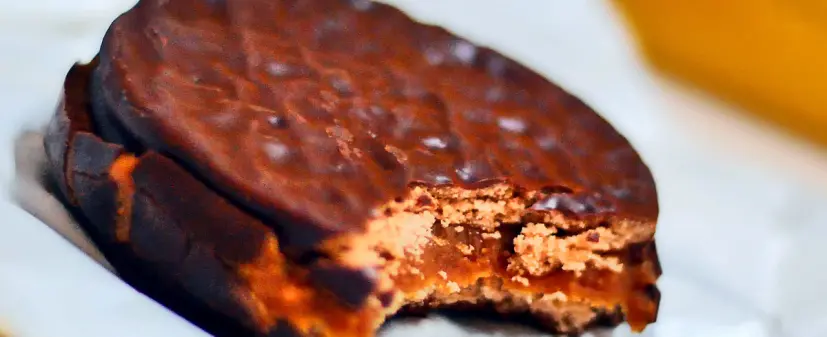
We ate Armenian food and drank the traditional coffee accompanied by another of the Argentine gastronomic icons: the chocolate “alfajor”. It is a kind of sandwich biscuit that is filled with "dulce de leche" and bathed in chocolate. It is unlike anything I have ever tasted, not in heaven or on earth. There are a large number of bakeries and pastry shops where artisanal alfajores of all kinds are made. It is a Buenos Aires passion to finish a meal or organize a snack around alfajores.
Source
The end of my journey was near. I had strict orders to return. We had to choose what to do in the last two days. Norali suggested visiting Buenos Aires Chinatown in the morning, which is very picturesque and colorful. And later in the afternoon, taking into account that one of the greatest passions of a Buenos Aires man and woman is football, she suggested that we visit the stadiums of the two most popular teams in Argentina, also well known all over the world, River, and Boca.
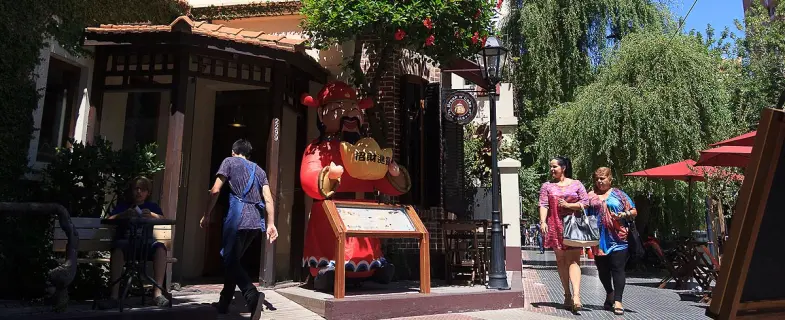
We got to Chinatown early. All the Chinatowns of the big cities look a lot alike. The one in Buenos Aires was formed from an immigration wave that took place in the 1980s.
Source
These Chinese, Japanese, and Taiwanese families quickly changed the appearance of the neighborhood with the opening of numerous Asian cuisine restaurants, street stores, and even one of the first Buddhist temples in the city, the Chong Kuan Temple, inaugurated in 1988. As is typical, on both sides of the street there are shops and supermarkets with typical oriental products, from imported food to decorative objects or anime (Japanese comics and cartoons). All these shops are especially crowded with visitors on weekends, with street stalls of all kinds. At the beginning of February, the Chinese New Year is celebrated with numerous musical shows, activities, and a large fair with food stalls, handicrafts, souvenirs, and all kinds of oriental objects.
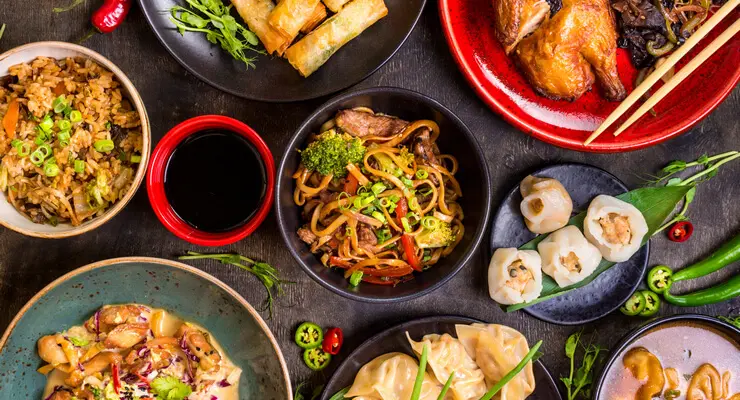
We toured the supermarkets full of exotic products, we went to some stores and I took the opportunity to buy a gift for Norali who was so good with me during these days. We ate very good Chinese food and we left for the stadiums.
Source
Argentina is a true and proud football powerhouse that invariably ranks high in the FIFA rankings. The Argentine Football Association is the oldest of its peers in South America and the eighth in the world. Argentine football was the first on the continent to join FIFA. It is the most popular sport in Argentina, the one with the most federated players (one million), and the most practiced by men and women.
The city of Buenos Aires has great teams with great national and international histories. It is a very “futbolera” city as they say in Lunfardo (a football-oriented city). Nine out of ten inhabitants declare that they are fans of a football club. In addition, at the level of national teams, it is one of the national teams with the most official cups in history, with nineteen titles, including the two world cups, the fourteen America Cups, and the Confederations Cup.
The two Buenos Aires teams with the most fans (about 60%) are River and Boca. Its stadiums are emblematic and well known around the world since international competitions are usually played there.
"El Monumental", as the Club River Plate Stadium is known, is one of the most important playing fields in South America and the one with the highest capacity in Argentina (76,000 spectators). It was inaugurated in 1938 and its last remodeling and expansion were carried out in 1978 when Argentina hosted the World Football Championship.
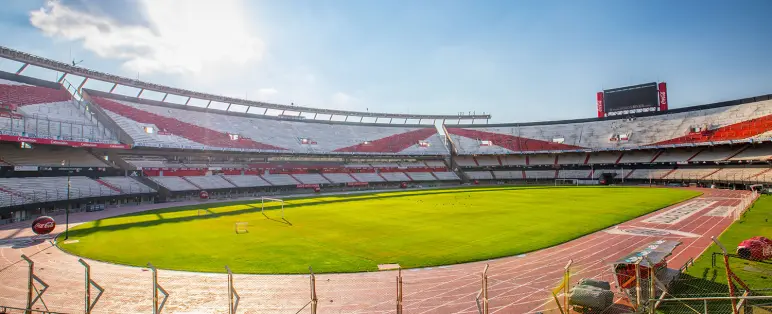
River Plate Monumental Stadium Source
For its part, "La Bombonera", (the Box of Chocolates) is the name by which the Boca Juniors stadium is known. It was inaugurated in 1940 and has a horseshoe-shaped structure, with three superimposed trays and a steep angle of inclination that resembles a box of chocolates. The few meters that separate the field from the stands allow great proximity between the spectators and the game, which makes the impact of attending a football match there a unique experience. In fact, one of the most desired events for an international tourist is a ticket to go to see a game at La Bombonera.
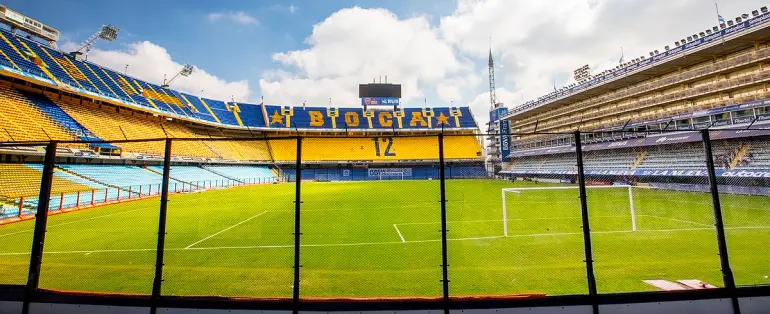
Boca Juniors Stadium, La Bombonera Source
At the time of the Conquest, when I lived on this planet in the 16th century, football did not exist. Norali, who is a football fan, tells me that football is one of the most important and best-paid activities on the planet. A large part of the money produced by businesses on Earth ends up in some football agent, supplier, player, manager, or commissioner. Clearly, brilliant business minds have found a way to mix sport with money.
Well, everything has an end, everything ends. I was looking for the words to thank Norali for her company all these days. Without her, I would have had a hard time getting by in such a big and aggressive city. Just then she told me that she wanted to show me something very interesting before I left and that she was going to tell me about it over dinner.
We went to dinner at the Costanera, a restaurant district next to the river, and the Aeroparque, the city's cabotage airport. It was a splendid night and we sat in front of the peaceful river.
Norali began with this story. She told me that she had seen that I had a smartphone and asked me if I used it to play any blockchain games. I looked at her in amazement, since I had never heard that term. She was not surprised. She told me that there were still many people who didn’t know what is blockchain. She was going to explain to me about blockchain and to recommend me a game that she was passionate about called Upland.
While we were having dinner, she explained everything to me, she downloaded the application to my cell phone and taught me how to buy properties and build collections. I learned very quickly and I loved the game. Here I show you my profile and my avatar near one of my properties.
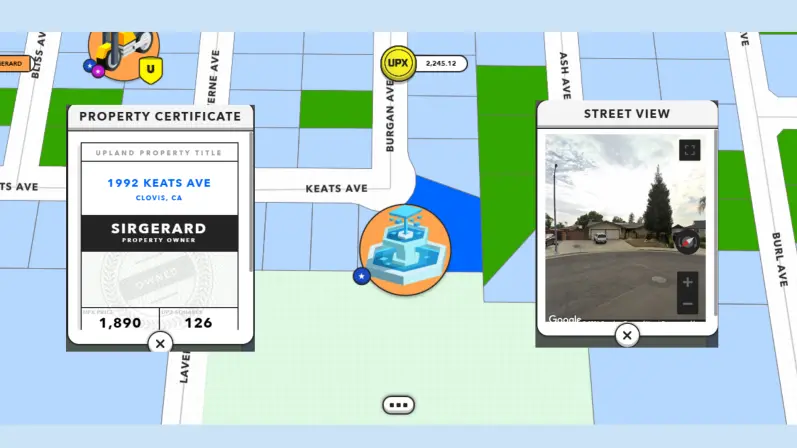
Then the conversation got a bit technical. Norali explained to me the meaning of a somewhat disturbing term, the non-fungible-token, something known here as NFT. It seems that this monstrosity is a digital representation of a material good existing in the real world. Any object that exists in the real world can be “tokenized” as NFT and the owner is the sole owner of that unique digital representation, or at least of a part of it. This creates a fabulous market for these objects that only exist in this blockchain thing. The good thing about this, in our case, is that the Upland game envisions the minting, storing, and trading of these NFTs. I immediately came up with many things that I would buy if I lived on Earth and wanted to put together my “Buenos Aires gallery" of NFTs in Upland. Here I make a list:
1- A property on Corrientes Avenue, for example, a seat in a musical theater.
2- An acre in El Rosedal and the right to collect royalties for each rose sold on my property in a possible secondary market.
3- A piece of one of the meteorites that are exhibited in the Galileo Galilei Planetarium.
4- A seat at the Teatro Colón.
5- A tango minted as musical NFT.
6- A seat in the River and Boca stadiums.
7- A piece of one of the petals of Floralis Generica.
8- A piece of some of the works of art that are exhibited in the MALBA museum.
9- A piece of an artisanal alfajor factory.
10- An apartment in Puerto Madero.
11- A piece of a restaurant in Palermo Soho.
12- One mt2 of the Buenos Aires Airport runway, so I receive a tip in cryptocurrency every time a plane takes off or lands
We kept talking and the list became so long that the collection could have reached a millionaire figure.
If I had to describe my trip to Earth with just one word, it would be "AMAZING", who could have imagined that that humble little fort that we built with wood and veneer 500 years ago was going to become this incredible megalopolis!
I invited Norali to have a coffee. The details of the rest of the night cannot be told in this post because it would go out of context ...
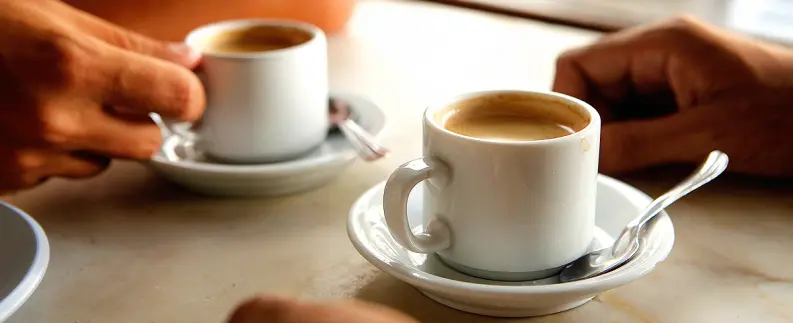
Source
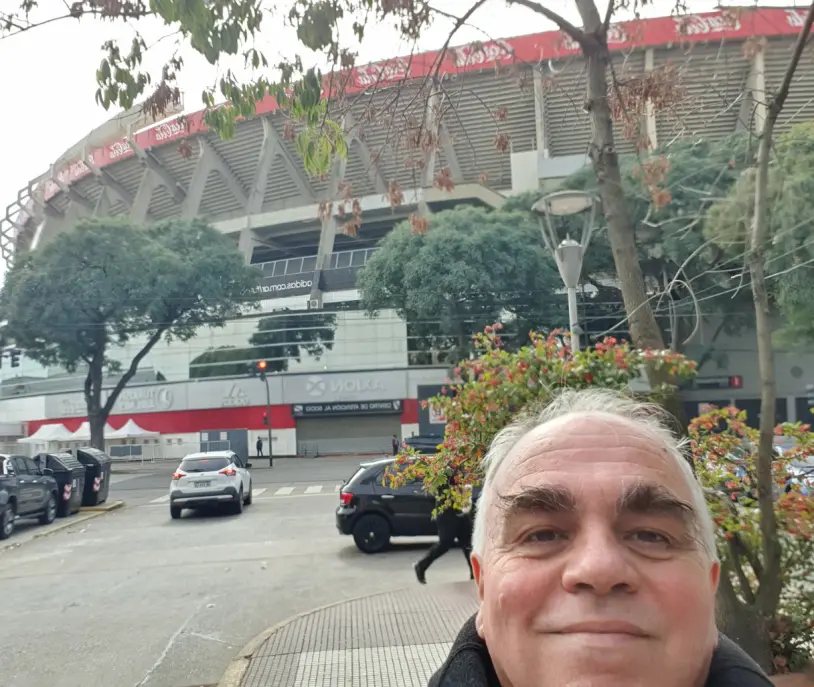
This is me @ SirGerardThe1st, author of this parody. Behind me, you can see the Monumental Stadium of River Plate, on the Río de la Plata in Buenos Aires.
If you have a little more time, check out this clip from 1989 of one of the most famous rock bands in Latin America, born in Buenos Aires, Soda Stéreo, naming Buenos Aires “The City of Fury”.
"Buenos Aires is seen, so susceptible, it is the fate of fury, what persists in their faces." Soda Stéreo.
Thank you for reading!
As usual, none of the things written in this post are financial advice and are not intended to replace personal research.
If you have any questions or comments, please feel free to leave them down below
You can also contact me at [email protected]
You can also follow me on






