
I like optimism. I like being with optimistic people. Optimism keeps people feeling secure, happy, and care free. This short article focuses on the ‘secure’ part of optimism. It may seem like a paradox, but a person can remain optimistic while simultaneously preparing for a disaster or simply a short term inconvenience.
What is a short term inconvenience? Something you may endure for three days or less. A month could be considered short term. And it really depends on what you are enduring and what your comfort level is.
For the sake of simplicity, I am going to focus on a power outage that lasts three says. The title ‘Survivalism 101’ should indicate that this is for those who have little to no idea on how to prepare for a small inconvenience or a full blown disaster. I will tackle preparing for a disaster in another article.
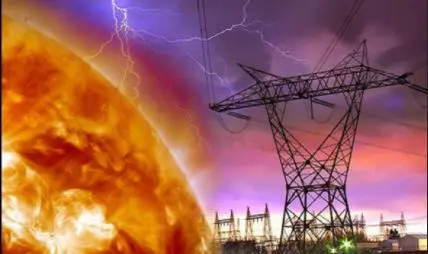
The thought of going three days without electricity may not seem like a disaster to you. Throw in the mix that all your neighbors are without power too. Now add to that, your entire town or city. Now throw in your entire state and surrounding states. I am talking a REAL power outage. An EMP. Feeling prepared can reduce anxiety, fear, and increase feelings of security and elevate optimism during such an event.
What supplies and skills might a person need?
- The ability to start a fire to cook and keep warm.
- City dwellers may want a portable indoor propane heater and around 60 pounds of propane (depending on how cold it is and the size of your dwelling.) There are ventless indoor heaters such as Mr. Heater that can be operated indoors with a window cracked open. Some of the larger heaters require a 20 pound tank that MUST be placed outside the dwelling for safety reasons. I would also buy a carbon monoxide detector for this set up.
- A propane camp stove with three days worth of propane.
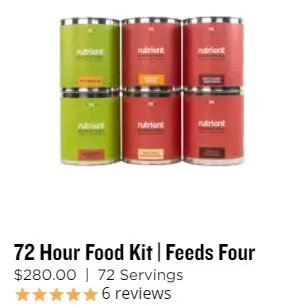
- Three days worth of emergency food per person. Consider how many people will be eating and calorie requirements. Consider dietary needs. Some emergency foods are very high in sodium, some are very high in calories, and some are very high in protein. Some good brands are 4patriots, mypatriotsupply, and nutrient survival. In addition, you can purchase emergency foods from Bass Pro, Costco, and Walmart.
- If you have small children: Make sure to store away at least a three day supply of baby formula and diapers.
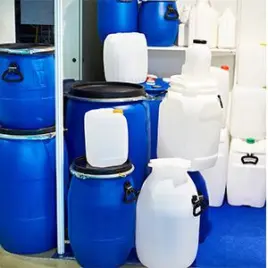
- You will need 1 gallon of water, per person per day. That would be for drinking and cleaning up. If for whatever reason, you run out of fresh water, the CDC offers this information to clean locally sourced water if you need to.
- A solar/battery/hand crank emergency radio.
- A solar powered/battery/hand crank light source. You will want several of these including stationary light sourced and portable light sources such as flashlights. Look for lights with high and low settings and a strobe feature if you need to advertise your location.
- Wool or other types of warm emergency blankets. Preferably one per person but at the very least one king size.
- Powder milk, sanitary supplies for females, extra batteries, games, cards, OTC medications, and a well stocked first aid kit.
How much you spend on supplies (a cheap flashlight vs. an expensive flashlight) depends on how much faith you put in a cheap flashlight, or a cheap heat source, or a cheaply made camp stove . . you get the message.
Three days without power really isn’t very long. But, if you are not prepared, it could be three ‘not very long’ miserable days. Would you rather be prepared or miserable for three days? What if the power outage lasts a week? What about a virus worse than COVID that requires long term isolation? A flood, severe weather, or a violent eruption could keep you home (or in the woods) for a week or longer. Are you ready?






